


1,400
UNA JOVEN EN TOKIO
Una joven ejecutiva en una encrucijada íntima y profesional, por la autora de Luna llena.
«El choque entre Japón y Occidente, la ciudad y el campo, las tradiciones y la modernidad; la obsesión por el trabajo; el matrimonio y el adulterio: Aki Shimazaki evoca sus temas favoritos en esta nueva obra, llevada por su estilo directo y preciso, su suspense psicológico y su asombrosa brevedad.» Lire«Todo parece ligero en las obras de Aki Shimazaki, pero por debajo se intuye la posible llegada de un terremoto. Y describe con absoluta delicadeza el lugar de la mujer en la sociedad japonesa.» Madame Figaro«Entre tsukemonos de rábano, aroma a miso y todas esas cosas que se dejan sin decir, esta novela es una joya y una inmersión en la identidad japonesa.
1,400

1,400
EL MUNDO QUE FORJAMOS
Hay cosas que no van del todo bien en la ciudad que nunca duerme. Los avatares de Nueva York han conseguido evitar temporalmente la invasión de la Mujer de Blanco (y de paso la destrucción de todo el universo), pero el misterioso Enemigo con E mayúscula esconde poderes más sutiles bajo la manga. Un nuevo candidato a la alcaldía, experto en el arte de la retórica populista de la gentrificación, la xenofobia y la «ley y el orden», puede llegar a conseguir cambiar la naturaleza de la Gran Manzana.
Para derrotarlo a él y al Enemigo que lo controla en las sombras, los avatares deberán unirse con el resto de las ciudades grandiosas. O arriesgarse a la aniquilación completa de su mundo.
1,400

1,400
DEFINE NORMAL
Una historia conmovedora sobre bodypositive, amistad y amor propio.
Dafne y sus amigas acaban de mudarse, ¡y ya están hartas de la música a todo volumen del vecino! Cuando Dafne va a quejarse, lo último que espera es encontrarse a Eloi, su mejor amigo de la infancia, al que no ve desde hace diez años.
Reencontrarse no entraba en sus planes, aunque tal vez sea justo lo que ambos necesitan. Dafne sueña con ser actriz, pero cada vez le parece más imposible; está harta de ir a castings y que la rechacen porque su cuerpo midsize no encaja en el perfil. Eloi, por su parte, está frustrado porque quiere montar su primera exposición, pero le dicen que sus fotografías no tienen nada que las haga destacar.
Entre dudas y miedos volverán a conocerse, ya que hay conexiones que nunca se pierden... y que podrían convertirse en algo más. Porque, quizás, ser normal sea lo que los haga extraordinarios.
1,400

1,400
LA TREGUA (AR)
«Pero en definitiva, ¿qué es Lo Nuestro? Por ahora, al menos, es una especie de complicidad frente a los otros, un secreto compartido, un pacto unilateral».
Martín Santomé, viudo con tres hijos, en las vísperas de su jubilación comienza a registrar en un diario su vida gris y sin relieve. La vida cotidiana de la rutina en la oficina y la de un hogar desunido y crispado se verán alteradas cuando irrumpe en su rutina la joven Laura Avellaneda, su nueva empleada. Y este hombre, casi sin proponérselo, decide abrir en su vida un paréntesis luminoso.
1,400

1,400
EN LAS GARRAS DEL AMOR
Ella solo quería su beca. Él, dejar de ser «el hijo de». Lo que ninguno esperaba era convertirse en la presa del otro.
Sierra O’Brien lleva años luchando por su sueño: una beca para las prácticas universitarias en el santuario de animales más importante del país, el Imugi. Nada ni nadie va a desviarla de su objetivo. Ni siquiera Kang ni su sonrisa arrogante, sus botas Dr. Martens o su molesto historial compartido.
Kang es el hijo del dueño y fundador del Imugi, ese al que todos acusan de nepotismo. Está harto de que todos lo traten como «el hijo de», incluida la insolente pelirroja con la que ha compartido toda la carrera. Pero él tiene claros sus objetivos: demostrar su valía, conseguir un puesto… y superar su obsesión por las pecas de O’Brien.
Lo que ninguno de los dos esperaba es que, entre voluntariados, capibaras delincuentes y algún misterio, también haya espacio para una atracción imposible de ignorar.
1,400
1,400
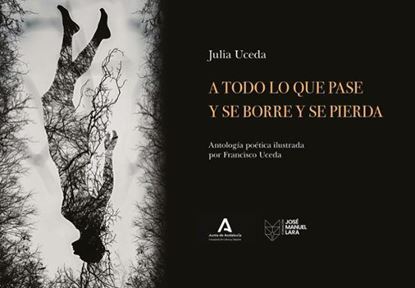
A TODO LO QUE PASE Y SE BORRE Y SE PIERD
Publicada con motivo del centenario del nacimiento de Julia Uceda, una de las autoras más importantes de su generación y de la poesía española contemporánea, esta antología es fruto de la colaboración entre la poeta, que trabajó en ella hasta poco antes de su muerte en 2024, y su sobrino el artista Francisco Uceda. A todo lo que pase y se borre y se pierda recoge poemas de sus diez libros publicados, desde Mariposa en cenizas (1959) hasta Escritos en la corteza de los árboles (2013), y los acompaña de ilustraciones expresamente realizadas para la ocasión, en una hermosa edición que rinde homenaje a la memoria de Julia Uceda y reivindica tanto su perdurable ejemplo moral como la fuerza y la singularidad de su poesía.
1,400

1,400
CUELLO DE BOTELLA
Una distopía ligera, adictiva y original, con personajes que abrazan la diversidad y un fondo reflexivo que recoge inquietudes muy actuales.
En Anavrin los cuerpos son meros continentes. La conciencia de los anavrianos salta de uno a otro cada cierto tiempo para garantizar la estabilidad de esta ciudad, la única existente en el nuevo mundo. Alma es una anavriana ejemplar, pero se hace a menudo una pregunta: quiere saber por qué brilla el cielo cuando es de noche. La necesidad de respuesta aumenta cuando conoce a Marlen, que le llama la atención por su sonrisa. Marlen despierta en Alma una curiosidad que podría considerarse ilegal y eso hace que sienta miedo a despertar en otro cuerpo y en otro lugar, lejos de ella. Más allá del núcleo, en la periferia, la vida es muy distinta, y fuera de la muralla, de donde vienen los visitantes, está el territorio secreto de Tressed, un lugar en medio del desierto donde los saltos no existen. Hasta allí llegará la protagonista de esta distopía adictiva y original, con una trama absorbente, personajes que abrazan la diversidad y un fondo reflexivo que recoge inquietudes muy actuales.
1,400

1,400
TODO VUELVE A EMPEZAR
En un abrir y cerrar de ojos, Sofia pasa de ser una arquitecta que trabaja en un prestigioso estudio de Barcelona y que vive con su gran amor, a sentirse una fracasada con el corazón hecho trizas.
Entre los peores días de su vida y el hotel rural de Venanson, un pueblo inhóspito de los Alpes Marítimos, una sola pregunta: «¿Y por qué no?». ¿Por qué no volver a empezar? ¿Por qué no darse la oportunidad de ser otra Sofia?
Encargada de gestionar las reservas inexistentes del hotel, pronto se hará amiga de Ethan y Julien. Ambos la ayudarán a sanar las heridas de su vida en Barcelona y a reencontrarse con sentimientos y sensaciones que creía olvidadas.
En Venanson, Sofia vivirá días de revelación, de pequeñas felicidades en forma de miradas y sonrisas fugaces, de excursiones y de preocuparse por nada. Pero punteando estos días luminosos -pues la felicidad no es nunca completa ni perfecta- también hallará una tristeza persistente que puede echarlo todo a perder.
Nadie ha dicho que sea fácil jugar a ser adulto.
1,400

1,400
EL NOVIO
Sydney Shaw, como todas las mujeres solteras de Nueva York, tiene una suerte nefasta con las citas. Lo ha visto todo: hombres que mienten en su perfil online, hombres que le endosan la cuenta de la cena y, lo peor de todo, hombres que no pueden dejar de hablar de su madre. Pero, por fin, la fortuna se ha puesto de su parte.
Acaba de conocer a un chico que resulta absolutamente perfecto. Es guapo, encantador y trabaja como médico en un hospital. Sydney está deslumbrada. Entonces, el brutal asesinato de una joven -la última en una serie de muertes similares por toda la ciudad- comienza a desesperar a la policía. ¿El principal sospechoso? Un hombre misterioso que había tenido una cita con sus víctimas antes de matarlas.
Sydney debería sentirse segura. Después de todo, está saliendo con el hombre de sus sueños. Pero no consigue librarse de la sospecha de que el novio perfecto puede no serlo tanto como parece.
Porque alguien está vigilando todos sus movimientos y, si no descubre la verdad, podría ser la próxima víctima...
1,400