995
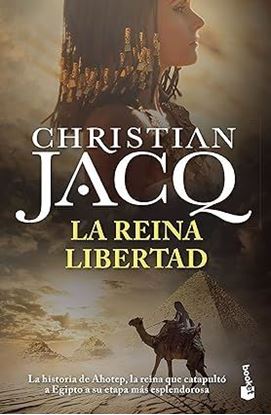
LA REINA LIBERTAD
A través de la verídica y conmovedora historia de Ahotep, Christian Jacq nos muestra un Egipto fabuloso al borde de la desaparición, que renacerá de sus cenizas impulsado por el valor y la pasión de una valiente y astuta joven. Sin la reina Ahotep, el Valle de los Reyes nunca habría existido, Egipto no hubiera conocido el período de esplendor que fue el Imperio Nuevo ni a los más gloriosos de sus faraones, entre ellos Ramsés el Grande.
995
995
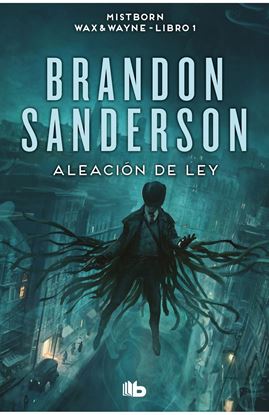
ALEACION DE LEY (MAX WAYNE 1) (BOL)
El mundo de Mistborn llega a la segunda era.
Han transcurrido trescientos años desde los acontecimientos de la Trilogía Original Mistborn. Kelsier y Vin han pasado a formar parte de la historia y la mitología, y el mundo de Scadrial se halla a las puertas de la modernidad.
Sin embargo, en las tierras fronterizas conocidas como los Áridos, las antiguas magias todavía son una herramienta crucial para quienes defienden el orden y la justicia.
Uno de esos vigilantes de la ley, Waxillium Ladrian, deberá regresar a la capital para retomar sus obligaciones como líder de una casa noble. Pero pronto descubrirá que la ciudad puede ser más peligrosa que las salvajes llanuras de los Áridos.
995
995
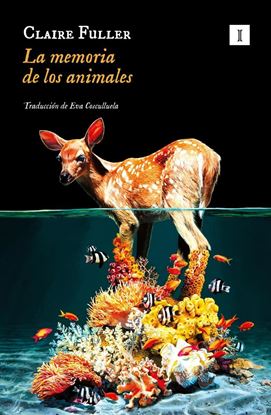
LA MEMORIA DE LOS ANIMALES
Una pandemia arrasa un mundo desprevenido. Neffy, una joven bióloga torturada por los errores que han hundido su carrera, decide participar en los ensayos remunerados de una vacuna. Pero, tras una mutación repentina del virus, se encuentra en un hospital casi vacío, sin Internet, teléfono ni señal de televisión. El mundo exterior es territorio inexplorado, y Neffy está atrapada allí dentro con un grupo de personas en las que no confía. Con una prosa despiadada y sobrecogedora, Claire Fuller da una vuelta de tuerca a la literatura de pandemia, y enfrenta a su protagonista a una decisión imposible: saldar cuentas con los fantasmas de su pasado o volver la vista hacia un futuro que se presenta caótico, terrorífico y desconocido. Una distopía deslumbrante, con iguales dosis de ficción especulativa e historia reciente.
995
995
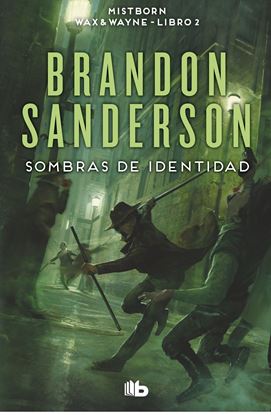
SOMBRAS DE IDENTIDAD (MAX WAYNE 2) (BOL)
La segunda era continúa con una intriga política llena de magia.
Waxillium Ladrian y su socio Wayne se enfrentan a una enemiga inaudita tras el brutal asesinato del hermano del gobernador, una kandra rebelde que ha perdido el juicio y ya no obedece al nuevo dios de Scadrial, Armonía.
Mientras Wayne y Marasi intentan frustrar las amenazas contra el gobernador y evitar que la ciudad estalle en revueltas multitudinarias, Wax da caza a una asesina capaz de utilizar cualquier poder y de hacerse pasar por cualquiera. Pero él mismo se verá perseguido por las sombras de su pasado…
995
995
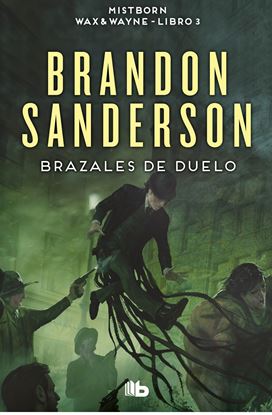
BRAZALES DE DUELO (MAX WAYNE 3) (BOL)
Los Brazales de Duelo son las mentes de metal que antaño poseyó el lord Legislador. Casi nadie cree en su existencia, pero un investigador kandra regresa a Elendel con evidencias y una imagen que conmociona a Waxillium Landra: una fotografía de su hermana Telsin apresada por su tío, el líder de una siniestra organización conocida como el Grupo.
Wax viaja al sur para investigar acompañado de Wayne, Marasi y MeLaan. Allí descubren que el Grupo ha encontrado los restos de un misterioso barco y tiene prisionero a un superviviente enmascarado. ¿Podrán Wax y los suyos localizar los Brazales antes de que caigan en manos equivocadas?
995
995
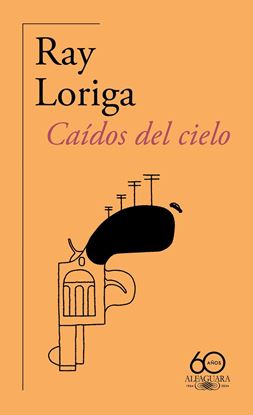
CAIDOS DEL CIELO (60 ANIV.ALFA)
Un adolescente escapa con una chica a la que ha secuestrado tras matar con una pistola a un guardia de seguridad. Esta es la historia de una huida, una road movie en la que la maldad disimulada, la imposición de una identidad y el machismo soterrado son motivos suficientes para que el protagonista se fugue en compañía de la chica y reclame a voz en grito, en cada uno de sus actos, que lo dejen en paz.
Caídos del cielo fue adaptada al cine por el propio Ray Loriga (La pistola de mi hermano), que plasmó en imágenes ese mundo de obligaciones y retos que ponen en evidencia lo que hay detrás de él: nada.
995