

1,060
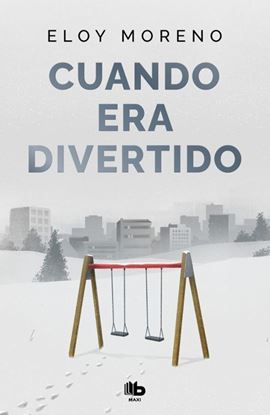
CUANDO ERA DIVERTIDO (BOL)
Quizás hay un momento en la vida para leer esta novela.¿Ha llegado el tuyo?
«Querido lector, querida lectora, la novela que estás a punto de iniciar es una historia incómoda, quizás la más incómoda que he escrito hasta la fecha.
Una historia que solo se entiende a partir de cierta edad o de un determinado momento de la vida. Por eso hemos decidido indicarlo.
Al leerla puede que encuentres a esos fantasmas que siempre han estado a tu lado pero que no has querido ver. Pero también es posible que ocurra todo lo contrario: que salgas de esta historia con la felicidad de quien sabe valorar lo que tiene»
1,060
1,100
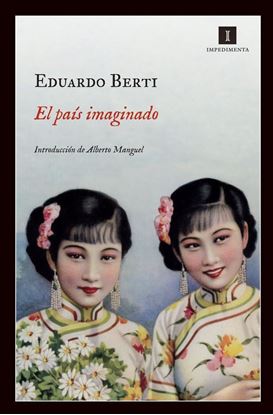
EL PAIS IMAGINADO
Imbuida de una atmósfera mágica, de delicados elementos que prefiguran lo que ha de ser el país imaginado, esta bella historia nos traslada a una China de principios del siglo XX repleta de fantasmas, de bodas entre vivos y muertos, de supersticiones y ritos ancestrales. En medio de todo ello se encuentra la protagonista, una joven que vive atemorizada por el compromiso nupcial que para ella desean pactar sus padres y que, mientras, solo tiene ojos para la hija de un vendedor de pájaros ciego, la hermosísima Xiaomei, con quien inicia una tímida relación de amistad y dependencia. En sus citas en el parque al que los ancianos van a pasear a sus pájaros, las dos descubren la importancia de lo que se cuenta y de lo que no, de la lealtad y de la belleza, con todo su poder para huir de los abismos abiertos por los demás.Animada por el melancólico encanto de la niñez que se escapa, impulsada por la fina exquisitez de su tono narrativo, «El país imaginado» traza una elegante fábula acerca de la memoria y las oportunidades perdidas.
1,100
1,100
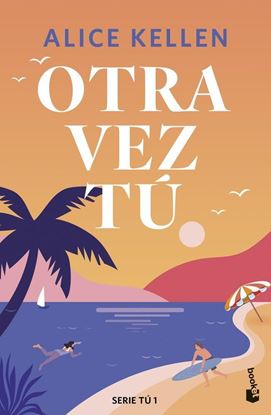
OTRA VEZ TU (TU 1) (BOL)
¿Existen las segundas oportunidades?
Una boda frustrada. Un cálido reencuentro. Esta es la historia de Alex y Emma.
Junto a sus dos mejores amigas, Emma deja atrás la ciudad de Nueva York y viaja a California con el firme propósito de pasar las vacaciones con un cóctel en la mano, bajo el sol, en las cálidas playas de la costa. Un plan perfecto. O al menos lo fue hasta que se encontró con Alex, el chico que no solo le rompió el corazón sino que, además, la dejó plantada una semana antes de subir al altar para darse el «sí, quiero».
Por desgracia, Alex sigue siendo irresistible. Y, aunque Emma siente debilidad por su mirada azul y su sonrisa canalla, no está dispuesta a volver a caer en sus redes. Todo quedó atrás. Él quedó atrás. Así es como deben ser las cosas. El problema es que «querer» no siempre es suficiente y a veces hay recuerdos que pesan demasiado.
1,100

1,100
TAL VEZ TU (TU 2) (BOL)
Un futuro planificado. Un abogado seductor y canalla.
¿Conseguirá Elisa retomar las riendas de su vida?
Tras un desengaño amoroso, Elisa está decidida a retomar las riendas de su vida e ir tachando propósitos de su lista de objetivos: seguir siendo la mejor en su empleo, casarse, formar una familia, mudarse a una bonita casa a las afueras… ¿El problema? Todavía no ha conocido al futuro padre de sus hijos. Pero ella no es de las que se rinden tras un fracaso y tiene muy claro qué tipo de hombre desea a su lado. Para empezar, uno que no se parezca en nada al abogado con el que debe competir en su trabajo, ese que está poniendo a prueba toda su paciencia.
Jack Helker es tan atractivo como borde. A pesar de su sonrisa insolente y de que es el típico hombre que debería venir con un cartel en la frente en el que pusiese «no tocar», Elisa es incapaz de ignorar el deseo que siente cada vez que él está cerca. Y, entre rocambolescas citas, Froot Loops y noches imprevistas, empezará a reconsiderar que a veces «perder el control» también tiene sus ventajas.
1,100
1,100
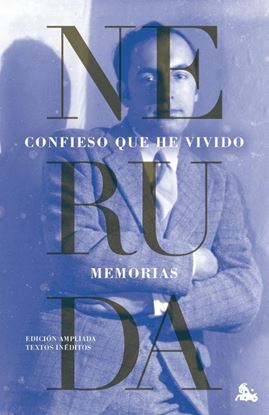
CONFIESO QUE HE VIVIDO (BOL)
En estas memorias Pablo Neruda narra los principales episodios de su vida y las circunstancias que rodearon la creación de su obra. Con la potencia verbal que caracteriza sus mejores escritos, expone tanto su concepción del arte y de la escritura como los motivos que lo llevaron a defender sus conocidas posiciones políticas, al tiempo que rememora su relación con personajes destacados, como Federico García Lorca, Rafael Alberti y Miguel Hernández.
Neruda fue un testigo privilegiado de la historia del siglo xx y un poeta de muchas vidas. Confieso que he vivido, su proyecto autobiográfico más ambicioso, construye el relato de una experiencia vital que refleja el devenir político, social y cultural de un continente.
Este libro reproduce el texto de la edición ampliada de las memorias del poeta, que incorpora materiales inéditos encontrados en los archivos de la Fundación Pablo Neruda. Entre ellos, un cuaderno con anotaciones manuscritas sobre los temas que debía incluir en sus memorias. En otros escritos, Neruda se refiere a la vida íntima de uno de sus grandes amigos, Federico García Lorca, reflexiona acerca de la religión y la escritura o sobre la dimensión histórica y política de la tierra austral, donde nace su poesía. La recuperación de estos textos inéditos nos permite proponer nuevas lecturas de las vidas del poeta.
1,100

1,100
INTERMEZZO (LI) (TD) (BOL)
A pesar de ser hermanos, Peter e Ivan Koubek tienen poco en común.
Peter, de treinta y pocos, es un carismático y renombrado abogado en Dublín de apariencia inquebrantable. Tras la muerte de su padre, lucha por mantener bajo control su caótica vida personal. Se medica para poder dormir y manejar la relación sentimental que mantiene con dos mujeres muy diferentes: su eterno primer amor, Sylvia, y Naomi, una estudiante universitaria que no se toma la vida muy enserio.
Ivan, de veintidós años, es un ajedrecista de carácter reservado, rígido en su actitud y aparentemente poco empático, que se ve a sí mismo como la antítesis de su hermano mayor, al que considera superficial y hablador. Pocos días después del funeral, Ivan conocerá a Margaret, una mujer catorce años mayor, y sus vidas se entrelazarán rápida e intensamente.
Intermezzo es un nuevo interludio para dos hermanos afligidos y las personas que aman, un tiempo cargado de deseo y desesperación, pero también de posibilidades. Una oportunidad para descubrir cuánto puede contener una vida sin romperse.
1,100