1,995
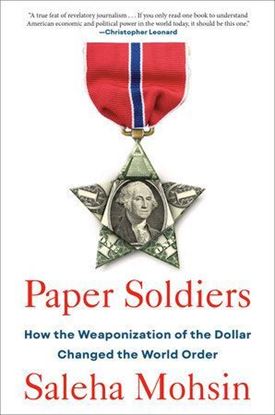
PAPER SOLDIERS
In 1995, Treasury Secretary Robert Rubin re-defined the next thirty years of currency policy with the mantra, “A strong dollar is in America’s interest.” That mantra held, ushering in exceptional prosperity and cheap foreign goods, but the strong dollar policy also played a role in the devastating hollowing out of America’s manufacturing sector. Meanwhile, abroad, the United States increasingly turned to the dollar as a weapon of war. In Paper Soldiers, Saleha Mohsin reveals how the Treasury Department has shaped U.S. policy at home and overseas by wielding the American dollar as a weapon—and what that means in a new age of crisis.
For decades, America has preferred its currency superpower-strong, the basis of a “strong dollar” policy that attracted foreign investors and pleased consumers. Drawing on Mohsin’s unparalleled access to current and former Treasury officials like Robert Rubin, Steven Mnuchin, and Janet Yellen, Paper Soldiers traces that policy’s intended and unintended consequences, including the rise of populist sentiment and trade war with China—culminating in an unprecedented attack on the dollar’s pristine status during the Trump presidency—and connects the dollar’s weaponization from 9/11 to the deployment of crippling financial sanctions against Russia. Ultimately, Mohsin argues that, untethered from many of the economic assumptions of the last generation, the power and influence of the American dollar is now at stake.
With first-hand reporting and fresh analysis that illustrates the vast, often unappreciated power that the Treasury Department wields at home and abroad, Paper Soldiers tells the inside story of how we really got here—and the future not only of the almighty dollar, but the nation’s teetering role as a democratic superpower.
1,995
1,995
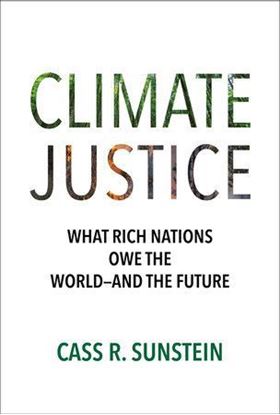
CLIMATE JUSTICE
If you're injuring someone, you should stop—and pay for the damage you've caused. Why, this book asks, does this simple proposition, generally accepted, not apply to climate change? In Climate Justice, a bracing challenge to status-quo thinking on the ethics of climate change, renowned author and legal scholar Cass Sunstein clearly frames what’s at stake and lays out the moral imperative: When it comes to climate change, everyone must be counted equally, regardless of when they live or where they live—which means that wealthy nations, which have disproportionately benefited from greenhouse gas emissions, are obliged to help future generations and people in poor nations that are particularly vulnerable.
1,995
1,995
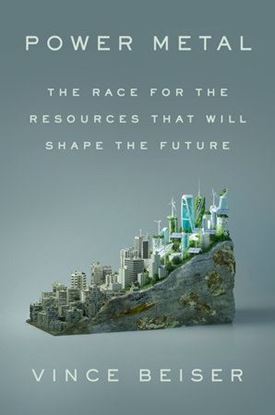
POWER METAL
An Australian millionaire’s plan to mine the ocean floor. Nigerian garbage pickers risking their lives to salvage e-waste. A Bill Gates-backed entrepreneur harnessing AI to find metals in the Arctic.
These people and millions more are part of the intensifying competition to find and extract the minerals essential for two crucial technologies: the internet and renewable energy. In Power Metal, Vince Beiser explores the Achilles’ heel of “green power” and digital technology – that manufacturing computers, cell phones, electric cars, and other technologies demand skyrocketing amounts of lithium, copper, cobalt, and other materials. Around the world, businesses and governments are scrambling for new places and new ways to get those metals, at enormous cost to people and the planet.
Beiser crisscrossed the world to talk to the people involved and report on the damage this race is inflicting, the ways it could get worse, and how we can minimize the damage. Power Metal is a compelling glimpse into this disturbing yet potentially promising new world.
1,995
1,995
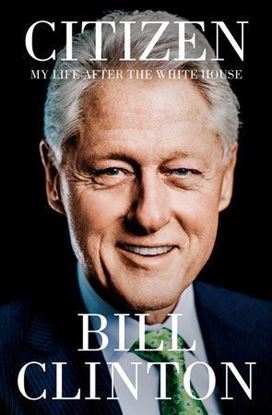
CITIZEN
On January 20, 2001, after nearly thirty years in politics—eight of them as president of the United States—Bill Clinton was suddenly a private citizen. Only fifty-four years old, full of energy and ideas, he wanted to make meaningful use of his skills, his relationships with world leaders, and all he’d learned in a lifetime of politics, but how? Just days after leaving the White House, the call came to aid victims of a devastating earthquake in India, and Clinton hit the ground running. Over the next two decades, he would create an enduring legacy of public service and advocacy work, from Indonesia to Louisiana, Northern Ireland to South Africa, and in the process reimagine philanthropy and redefine the impact a former president could have on the world.
1,995
1,995
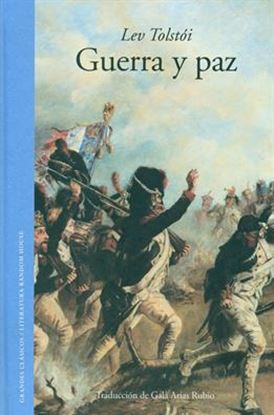
GUERRA Y PAZ (TD)
Obra cumbre, junto a Ana Karenina, de Lev Tolstói y de la narrativa del XIX, Guerra y paz constituye un vasto fresco histórico y épico.Con la campaña napoleónica contra Rusia como trasfondo -Austerliz, Borodino o el incendio de Moscú- entre los años 1805 y 1813, se nos cuenta la historia de dos familias de la nobleza rusa, los Bolkonski y los Rostov, protagonistas de un mundo que empieza a escenificar su propia desaparición.
1,995
1,995
1,995
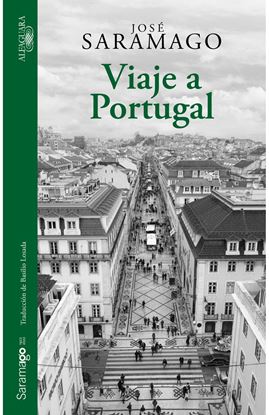
VIAJE A PORTUGAL (ILUSTRADO)
«El fin de un viaje es sólo el inicio de otro. Hay que ver lo que no se ha visto, ver otra vez lo que ya se vio. Hay que volver alos pasos ya dados, para repetirlos y para trazar caminos nuevos a su lado. Hay que comenzar de nuevo el viaje. Siempre.El viajero vuelve al camino».
Entre octubre de 1979 y julio de 1980, José Saramago recorrió Portugal en un itinerario que le llevó de Trás-os-Montes al Algarve y desde Lisboa hasta el Alentejo. Este libro, en el que se entremezcla la crónica con la narración y los recuerdos, es el resultado de ese viaje. Saramago se revela en él como un viajero de gran sensibilidad, siempre atento a lo que ven sus ojos, a descifrar la realidad del país y entender también con ello su pasado.
Esta edición especial de Viaje a Portugal, publicada con ocasión del centenario del nacimiento del Nobel portugués, incluye, por primera vez, todas las fotografías que Saramago realizó durante su viaje —casi todas inéditas— junto con otras del fotógrafo Duarte Belo.
1,995
1,995
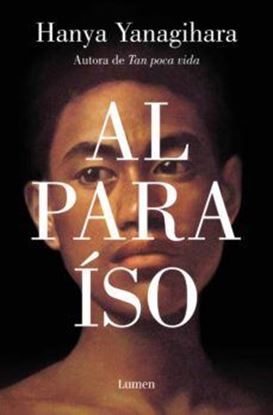
AL PARAISO
En una versión alternativa de la América de 1893, Nueva York forma parte de los Estados Libres, donde el matrimonio homosexual está permitido. Un muchacho de familia distinguida se debate entre casarse con un pretendiente elegido por su abuelo o escoger a un profesor de música con pocos recursos de quien está enamorado. En un Manhattan de 1993 asediado por «la enfermedad», un joven hawaiano vive con su pareja, cuya edad e ingresos superan con creces los suyos, y le oculta su infancia problemática y el destino de su padre. Y en 2093, en un mundo asolado por plagas y gobernado por un estado totalitario, un poderoso científico y su familia intentan encontrar las estrategias necesarias para sobrevivir sin perderse unos a otros por el camino.
Como en una sinfonía fascinante e ingeniosa, estas tres partes conforman una novela monumental, histórica y distópica en la que el amor parece imposible y, sin embargo, los protagonistas, con sus limitaciones y secretos, se obstinan en buscarlo como único modo de llegar al paraíso.
1,995
1,995
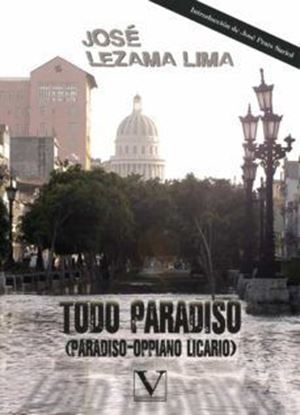
TODO PARADISO
Era y es Paradiso una verdadera meditación sobre el génesis del hombre, sobre el génesis mismo.María ZambranoLeo Paradiso poco a poco con creciente asombro y deslumbramiento. Un edificio verbal de riqueza increíble, mejor dicho, no un edificio sino un mundo de arquitecturas en continúa metamorfosis.Octavio Paz[] la excitación, el deslumbramiento, la perpleja admiración que deja en el lector esta expedición por ese gigantesco e insólito Paradiso, concebido por un gran creador y propuesto a sus contemporáneos como territorio de goces infinitos.Mario Vargas Llosa[] Lezama Lima, intercesor de oscuras operaciones de ese espíritu que precede al intelecto, de esas zonas que gozan sin comprender, del tacto que oye, del labio que ve, de la piel que sabe de las flautas a la hora pánica y del terror en las encrucijadas con luna llena.Julio CortázarJuntos por primera vez en cualquier lengua, aquí están los XXIV capítulos revisados de la inconclusa Paradiso-Oppiano Licario, la novela órfica de uno de los escritores canónicos del siglo XX. Las crónicas de La Habana del poeta, ensayista y narrador José Lezama Lima (1910-1976) fueron el libro inaugural de Verbum en 1990. A ellas Verbum suma hoy numerosos volúmenes de su bibliografía directa e indirecta.
1,995