

1,300
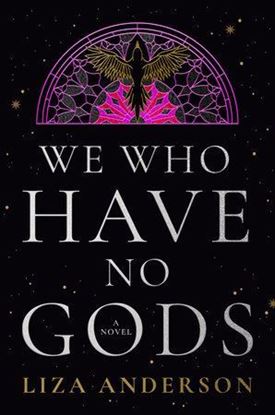
WE WHO HAVE NO GODS
Vic Wood has her priorities: scrape by on her restaurant wages, take care of her younger brother Henry, and forget their mother ever existed. But Vic’s careful life crumbles when she discovers that their long-missing mother belonged to the Acheron Order—a secret society of witches tasked with keeping the dead at bay. What’s worse, Henry inherited their mother’s magical abilities while Vic did not, and he has been chosen as the Order’s newest recruit.
Determined to keep him safe, Vic accompanies Henry to the isolated woods in upstate New York that host the sprawling and eerie Avalon Castle. When she joins the academy despite lacking powers of her own, she risks not only the Order’s wrath, but also her brother’s. And then there is the imposing, ruthless, and frustrating Xan, the head Sentinel in charge of protecting Avalon. He makes no secret of wanting Vic to leave.
1,300
1,300
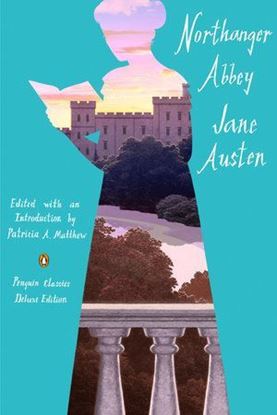
NORTHANGER ABBEY
During an eventful season at Bath, young, naïve Catherine Morland experiences fashionable society for the first time, both its pleasures and its pitfalls. She is delighted with her new acquaintances: flirtatious Isabella, who shares Catherine’s love of Gothic romance and horror, and sophisticated Henry and Eleanor Tilney, who invite her to their father’s mysterious house, Northanger Abbey. There, Cather learns the danger of an active imagination. With its broad comedy and irrepressible heroine, this is the most youthful and optimistic of Jane Austen’s works.
1,300
1,300
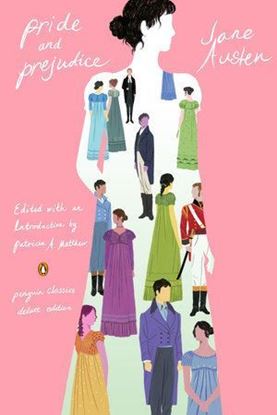
PRIDE AND PREJUDICE
Generations of readers have fallen in love with Jane Austen’s beloved classic Pride and Prejudice. The sparkling Elizabeth Bennet, the taciturn Fitzwilliam Darcy, and an array of characters that range from irrepressible to almost irredeemable, move through this comedy of manners about the danger of first impressions. Set in a provincial world away from London, Austen’s novel pokes fun at the machinations of courtship rituals while celebrating the importance of friendship and sisterhood.
1,300
1,300
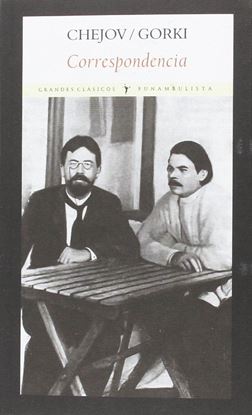
CORRESPONDENCIA
Chejov y Gorki: Anton Chejov (1860-1904) es sin duda una de las figuras literarias más influyentes de la posmodernidad. Su sensibilidad artística ha dejado tras de sí una producción teatral que ha marcado la escena del siglo XX, así como un legado de narraciones que se engrandece con el tiempo. Por su parte, Maxim Gorki (1868-1936) es uno de esos claros ejemplos de implicación entre arte y realidad; un hombre de acción que curtió su experiencia a base de oficios diversos, largos viajes y penurias de toda índole, bagaje que se reflejaría a la perfección en sus personajes y ambientes literarios, fiel correlato de una época convulsa. Como señala Rubén Pujante Corbalán en el postfacio, cuando Gorki y Chejov inician su correspondencia, en 1898, Chejov es ya un reconocido escritor y Gorki comienza solo a afianzar su producción literaria. Se entabla así una relación semejante a la de un maestro con su discípulo, una suerte de diálogo de aprendizaje que sus cartas reflejan a la perfección. Editorial Funambulista publica ahora por primera vez en español la correspondencia entre ambos escritores, una recopilación que es el testimonio de una amistad que aumenta y se fortalece con el devenir de sus protagonistas, una referencia ineludible sobre sus autores, sus obras y su tiempo.
1,300
1,300
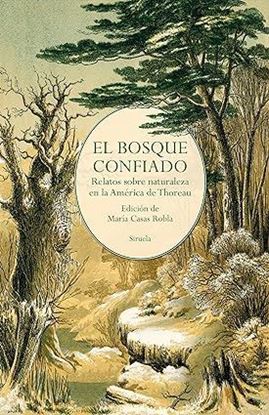
EL BOSQUE CONFIADO
El regreso a la naturaleza y su preservación no es una obsesión ni una necesidad actual, sino que corre en paralelo a la historia de la humanidad y cobra especial fuerza durante el ilustrado Siglo de las Luces y su sucesor, el industrializado siglo XIX, que verá crecer de modo exponencial la población y la tecnología, con la consecuente explotación exhaustiva de materias primas que agota la tierra. Hoy seguimos sufriendo los males que todo esto acarrea, y no parece que haya voluntad de aplicar la medicina que nos sane.
Esta antología, cuyos relatos fueron publicados entre 1830 y 1903, no se ocupa de la naturaleza arcádica de los grecolatinos, ni del jardín del edén de los escritores medievales y renacentistas, ni del paisajismo Barroco, sino de la naturaleza que nos atraviesa como «las corrientes del Ser Universal». Se ocupa, pues, del movimiento que promovieron los transcendentalistas, y del contagio de sus ideas en contemporáneos y sucesores; un contagio que dará lugar a un nuevo género e incluso a una novedosa manera de contar, propio de la literatura estadounidense, que llega hasta nuestros días.
1,300
1,300
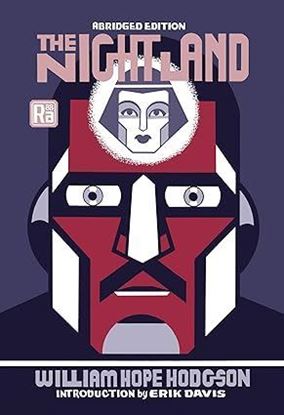
THE NIGHT LAND, ABRIDGED EDITION
In the far future, humankind’s survivors huddle below Earth’s frozen surface in a pyramidal fortress-city that, for centuries now, has been under siege by loathsome “Ab-humans,” enormous slugs and spiders, and malevolent “Watching Things” from another dimension. When our unnamed protagonist receives a telepathic distress signal from a woman whom (in a previous incarnation) he’d once loved, he sallies forth on an ill-advised rescue mission—into the fiend-haunted Night Land!
1,300