

1,300
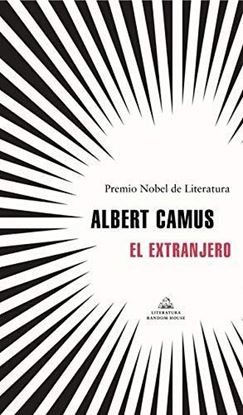
EL EXTRANJERO (RANDOM) (TD)
Publicada originalmente en 1942, El extranjero es la primera novela de Albert Camus y una de sus obras más emblemáticas. Ahora con nueva traducción al español de María Teresa Gallego Urrutia y Amaya García Gallego, este libro capital para la cultura del siglo XX transcurre en Argelia y narra la anodina vida de Meursault, un joven oficinista que vive en perpetua apatía. Cuando recibe la noticia del fallecimiento de su madre, la encaja con la mayor impasibilidad. Obligado a abandonar la capital y viajar para asistir al funeral, Meursault desea que la ceremonia sea breve para regresar a su casa. Esa indiferencia existencial marca sus días, avanzando sin reaccionar a la muerte de su madre, al afecto de su amada y ni tan siquiera a un crimen que cometerá con idéntica desidia, incapaz de ver el alcance moral de sus actos.
Camus retrata magistralmente la indolencia del hombre del siglo XX, un hombre que no encuentra su lugar, extranjero en su propio mundo. Este personaje escéptico y desapasionado que ha abandonado su condición de sujeto autónomo sigue siendo hoy un imprescindible referente literario y existencial.
1,300

1,300
LAS INTERMITENCIAS DE LA MUERTE (2022)
¿Y si la gente dejara de morirse?
Una brillante sátira del Nobel de Literatura que juega con el miedo más profundo del ser humano.
"Sabremos cada vez menos que es un ser humano."
Libro de las previsiones
En un país cuyo nombre no será mencionado, se produce algo nunca visto desde el principio del mundo: la muerte decide suspender su trabajo letal, la gente deja de morir. La euforia colectiva se desata, pero muy pronto dará paso a la desesperación y al caos. Sobran los motivos. Si es cierto que las personas ya no mueren, eso no significa que el tiempo se haya detenido. El destino de los humanos será una vejez eterna.
Se buscarán maneras de forzar a la muerte a matar aunque no lo quiera, se corromperán las conciencias en los "acuerdos de caballeros" explícitos o tácitos entre el poder político, las mafias y las familias, los ancianos serán detestados por haberse convertido en estorbos irremovibles. Hasta el día en que la muerte decide volver...
1,300

1,300
CORAZON QUE RIE, CORAZON QUE LLORA
No es fácil vivir entre dos mundos, y la niña Maryse lo sabe. En casa, en la isla caribeña de Guadalupe, sus padres se niegan a hablar criollo y se enorgullecen de ser franceses de pura cepa, pero, cuando la familia visita París, la pequeña repara en cómo los blancos los miran por encima del hombro. Eternamente a caballo entre la lágrima y la sonrisa, entre lo bello y lo terrible, en palabras de Rilke, asistimos al relato de los primeros años de Condé, desde su nacimiento en pleno Mardi Gras, con los gritos de su madre confundiéndose con los tambores del carnaval, hasta el primer amor, el primer dolor, el descubrimiento de la propia negritud y de la propia feminidad, la toma de conciencia política, el surgimiento de la vocación literaria, la primera muerte. Estos son los recuerdos de una escritora que, muchos años después, echa la vista atrás y se zambulle en su pasado, buscando hacer las paces consigo misma y con sus orígenes.
1,300

1,300
EL BAILE DE LAS LOCAS
Estamos en París en marzo de 1885. Como cada año para la Media Cuaresma, se celebra el popular «baile de las locas» en el hospital de la Salpêtrière, dirigido por el eminente neurólogo profesor Charcot. Durante una noche, la flor y nata de París disfruta al ritmo de valses y polcas en compañía de las internas, disfrazadas con extravagantes atuendos. Entre las pacientes destacan Louise, una joven epiléptica maltratada por su tío que tiene puestas todas sus ilusiones en un futuro matrimonio con un interno del centro, y la rebelde y visionaria Eugénie, una muchacha de buena familia encerrada sin contemplaciones por su propio padre. Bajo la atenta vigilancia de la implacable supervisora Geneviève, ambas intentarán cumplir sus sueños y harán todo lo posible por escapar.
1,300
1,300
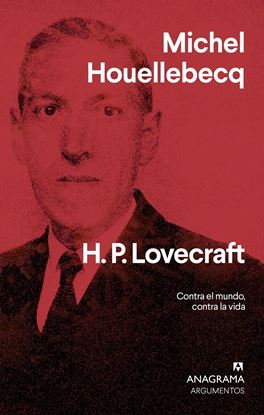
H. P. LOVECRAFT
Una fascinante puerta de entrada tanto al oscuro universo de H. P. Lovecraft como a la mordaz prosa de Michel Houellebecq.
Michel Houellebecq descubrió los cuentos de Howard Phillips Lovecraft con dieciseis años y volvió a menudo a los grandes textos del maestro del terror cósmico. ¿Que tenía Lovecraft como para provocar aquella fascinación en alguien aparentemente tan ajeno a los mitos de Cthulhu? La respuesta a esta pregunta guía un profetico ensayo en el que la visión de Houellebecq sobre el oficio de la escritura ilumina tanto la obra del autor estadounidense como su propio trabajo.
1,300

1,300
LA BAJAMAR
Adirane regresa a la casa familiar de su pueblo junto a la ría, en el norte del País Vasco, con la frágil excusa de registrar la última memoria de infancia de su abuela Ruth durante la Guerra Civil. Ha dejado atrás a su marido y a su hija de cinco años, sin siquiera una explicación, para intentar encontrar un nuevo punto de partida desde su propio pasado. En la casa vive también Adriana, su madre, con quien no se habla desde hace años.
¿Qué significa criar o cuidar de alguien bajo tres contextos históricos y políticos muy dispares y en un territorio casi permanentemente tensado? En esta novela, madres e hijas de diferentes generaciones irán tejiendo, con el ritmo y la fuerza de las mareas, una genealogía zarandeada por secretos familiares y enfrentamientos que hasta ahora las han mantenido alejadas, viviendo vidas separadas por los muros de lo que nunca se dice.
1,300