

950
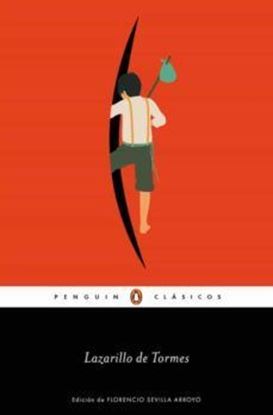
LAZARILLO DE TORMES (PENGUIN)
La novela emblemática de la picaresca española
Edición de Florencio Sevilla Arroyo, catedrático de Filología Española en la Universidad Autónoma de Madrid
El Lazarillo de Tormes inauguró el genero de la novela picaresca. Relata las desventuras que un joven de origen humilde sufre al servicio de sus amos, entre los que se cuentan un ciego, un clerigo y un hidalgo pobre. Los avatares por los que pasa Lázaro son un magnífico pretexto para plasmar una ácida crítica a la sociedad de la epoca. Asimismo, el tratamiento de la anecdota, el lenguaje sobrio y eficaz, y una nueva concepción en el uso de los personajes propiciaron una renovación en la literatura del momento.
Esta edición incluye una introducción que contextualiza la obra, un aparato de notas, una cronología y una bibliografía esencial, así como propuestas para fomentar el debate en torno a la lectura. Está al cuidado de Florencio Sevilla, catedrático de literatura española de la Universidad Autónoma de Madrid.
"Yo le satisfice de mi persona lo mejor que mentir supe, diciendo mis bienes y callando lo demás."
950
950
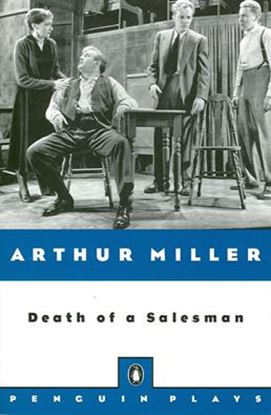
DEATH OF A SALESMAN
Ever since it was first performed in 1949, Dealh of a Salesman has been recognized as a milestone of the American theater. In the person of Willy Loman, the aging, failing salesman who makes his living riding on a smile and a shoeshine, Arthur Miller redefined the tragic hero as a man whose dreams are at once insupportably vast and dangerously insubstantial. He has given us a figure whose ñame has become a symbol for a kind of majestic grandiosity—and a play that compresses epic extremes of humor and anguish, promise and loss, between the four walls of an American living room.
950
950
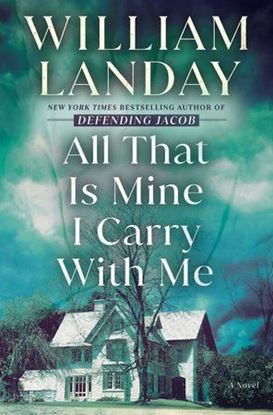
ALL THAT IS MINE I CARRY WITH ME
One afternoon in November 1975, ten-year-old Miranda Larkin comes home from school to find her house eerily quiet. Her mother is missing. Nothing else is out of place. There is no sign of struggle. Her mom’s pocketbook remains in the front hall, in its usual spot.
So begins a mystery that will span a lifetime. What happened to Jane Larkin?
Investigators suspect Jane’s husband. A criminal defense attorney, Dan Larkin would surely be an expert in outfoxing the police.
But no evidence is found linking him to a crime, and the case fades from the public’s memory, a simmering, unresolved riddle. Jane’s three children—Alex, Jeff, and Miranda—are left to be raised by the man who may have murdered their mother.
Two decades later, the remains of Jane Larkin are found. The investigation is awakened. The children, now grown, are forced to choose sides. With their father or against him? Guilty or innocent? And what happens if they are wrong?
950