

1,350
1,080
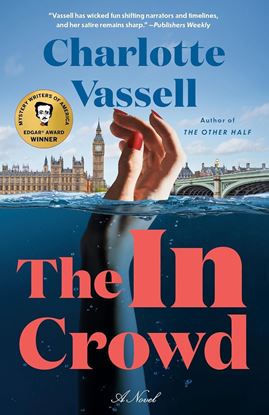
THE IN CROWD (PB)
In the garden of a large Georgian villa in Southwest London, socialites and politicos swap gossip and sip Pimm's while making snide remarks at each other. Not far from this frivolity, though, a body has been discovered in the River Thames. At first, it appears to be an unfortunate accident, but the death is connected to this gathering of who's who in a way that may spell scandal.
Meanwhile, Detective Inspector Caius Beauchamp, attempting to enjoy an evening at the theatre, is shocked to discover another dead body, just a few seats away. The death is linked to the decades-old disappearance of a fourteen-year-old girl at a boarding school in Cornwall. Now Caius has two cases on his plate, but if he wants the resources to solve the tragic mystery of the girl's disappearance, he will have to take new orders from a shadowy government minister who contends that the accidental drowning in the Thames was anything but.
1,350
1,080
1,350
1,080
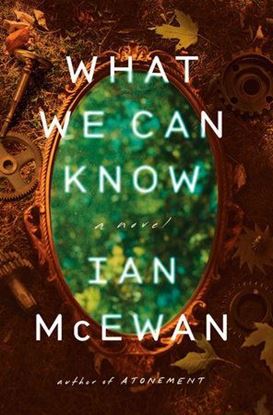
WHAT WE CAN KNOW
2014: At a dinner for close friends and colleagues, renowned poet Francis Blundy honors his wife’s birthday by reading aloud a new poem dedicated to her, ‘A Corona for Vivien’. Much wine is drunk as the guests listen, and a delicious meal consumed. Little does anyone gathered around the candlelit table know that for generations to come people will speculate about the message of this poem, a copy of which has never been found, and which remains an enduring mystery.
2119: Just over one hundred years in the future, much of the western world has been submerged by rising seas following a catastrophic nuclear accident. Those who survive are haunted by the richness of the world that has been lost. In the water-logged south of what used to be England, Thomas Metcalfe, a lonely scholar and researcher, longs for the early twenty-first century as he chases the ghost of one poem, ‘A Corona for Vivian’. How wild and full of risk their lives were, thinks Thomas, as he pores over the archives of that distant era, captivated by the freedoms and possibilities of human life at its zenith. When he stumbles across a clue that may lead to the elusive poem’s discovery, a story is revealed of entangled loves and a brutal crime that destroy his assumptions about people he thought he knew intimately well.
1,350
1,080
1,350
1,080
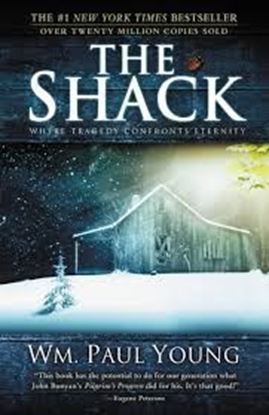
THE SHACK
Mackenzie Allen Philip's youngest daughter, Missy, has been abducted during a family vacation and evidence that she may have been brutally murdered is found in an abandoned shack deep in the Oregon wilderness. Four years later, in the midst of his Great Sadness, Mack receives a suspicious note, apparently from God, inviting him back to that shack for a weekend. Against his better judgment he arrives at the shack on a wintry afternoon and walks back into his darkest nightmare. What he finds there will change Mack's world forever. In a world where religion seems to grow increasingly irrelevant THE SHACK wrestles with the timeless Where is God in a world so filled with unspeakable pain? The answers Mack gets will astound you and perhaps transform you as much as it did him.
1,350
1,080
1,350
1,080
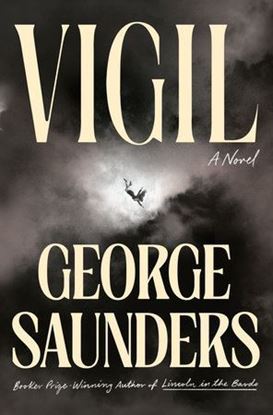
VIGIL: A NOVEL
Not for the first time, Jill “Doll” Blaine finds herself hurtling toward earth, reconstituting as she falls, right down to her favorite black pumps. She plummets towards her newest charge, yet another soul she must usher into the afterlife, and lands headfirst in the circular drive of his ornate mansion.
She has performed this sacred duty 343 times since her own death. Her charges, as a rule, have been greatly comforted in their final moments. But this charge, she soon discovers, isn’t like the others. The powerful K. J. Boone will not be consoled, because he has nothing to regret. He lived a big, bold, epic life, and the world is better for it. Isn’t it?
1,350
1,080
1,350
1,080
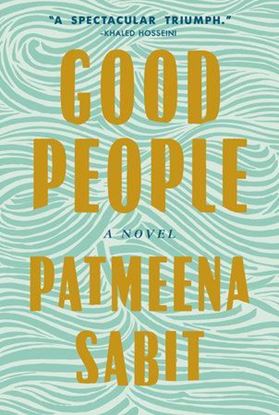
GOOD PEOPLE: A NOVEL
The Sharaf family is the picture of success. Prosperous, rich, happy. They came to this country as refugees with nothing more than the clothes on their backs. And now, after years of hard work, they live in the most exclusive neighborhood, their growing family attending the most prestigious schools. Zorah, the eldest daughter, is the apple of her father’s eye.
When an unthinkable tragedy strikes, everyone is left reeling and the family is thrust into the court of public opinion. There is talk that behind closed doors the Sharafs’ happy household was anything but. Did the Sharaf family achieve the American dream? Or was the image of the model immigrant family just a façade?
1,350
1,080

1,350
1,080