

1,350
1,080
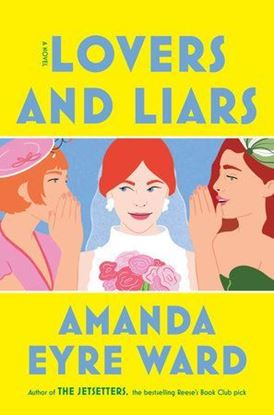
LOVERS AND LIARS
Once upon a time, the Peacock sisters were little girls who combed each other’s tangled hair. But decades of secrets have led them to separate lives—and to telling lies, to themselves and to one another.
Sylvie is getting married. Again. A librarian and widow who soothes her grief by escaping into books (and shelving them perfectly), Sylvie has caught the attention of an unlikely match: Simon Rampling, a mysterious, wealthy man from Northern England. Sylvie allows herself to imagine a life beside him—one filled with the written word, kindness, and companionship. She’s ready to love again . . . or is she?
Cleo is the golden child. A successful criminal defense lawyer with the perfect boyfriend, she is immediately suspicious of Simon. Is he really who he says he is? Cleo heads to Mumberton Castle with a case of investigative files, telling herself she will expose Simon and save her sister from more heartbreak . . . but who is she really trying to save?
Emma is living a lie. She can’t afford this fancy trip—and she definitely can’t tell her husband and sons why. She once dreamed of a line of her own perfumes. Fragrances allowed her to speak in silence. Now, that tendency for silence only worsens her situation. Will she emerge with her dignity and family intact?
When their toxic mother shows up, the sisters assume the roles they fell into to survive their childhood . . . but they just might find the courage to make new choices.
Set over a spectacularly dramatic weekend, in the grand halls of a sprawling castle estate—amid floor-to-ceiling libraries, falconry lessons, and medieval meals—Lovers and Liars is the unforgettable story of a family’s ability to forgive and to find joy in one another once again.
1,350
1,080

1,350
1,080
ANTOLOGIA ( RUBEN DARIO ) (RAE)
Rubén Darío: Del símbolo a la realidad. Edición conmemorativa de la Real Academia Española por el Centenario del autor.
1,350
1,080
1,350
1,080
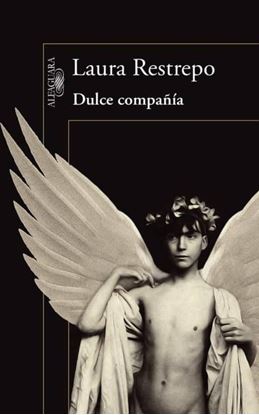
DULCE COMPAÑIA
La brillante crónica de una mujer que se interna en el luminoso y a la vez pavoroso territorio de lo sagrado y de la religiosidad popular en el barrio más pobre de Bogotá Por la ganadora del Premio Alfaguara de Novela.
La reportera de una revista de frivolidades es enviada por su jefe a cubrir la aparición de un ángel en una de las barriadas más pobres de Bogotá. Emprende la tarea a regañadientes porque le traen sin cuidado los asuntos religiosos y le aburre sobremanera un tema tan manido, por lo que ni siquiera sospecha hasta qué punto se verá involucrada en una brutal cadena de acontecimientos que escaparán a su control y a su racionalidad.
¿Quién es y de dónde viene el supuesto ángel, ese muchacho ausente y de asombrosa belleza al que la fe de los habitantes del barrio mantiene encerrado en una cueva? ¿Qué lo une a esa reportera que se enamora de él, a la madre que lo protege, al sacerdote que intenta destruirlo, a la médico que pretende hospitalizarlo o a las mujeres que lo cuidan y veneran?
Traducida a más de veinte idiomas, Dulce compañía ha tenido amplia difusión en todo el mundo. Ganó el premio Sor Juana Inés de la Cruz en Guadalajara y el Prix France Culture, uno de los reconocimientos literarios más prestigiosos otorgado por la crítica francesa.
1,350
1,080
1,350
1,080
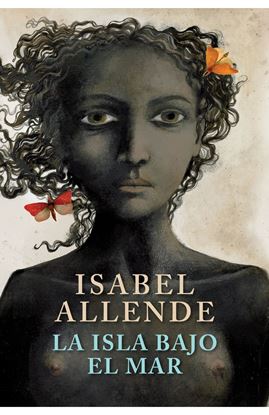
LA ISLA BAJO EL MAR (EDICION LIMITADA)
Para ser una esclava en el Saint-Domingue de finales del siglo XVIII, Zarité había tenido buena estrella: a los nueve años fue vendida a Toulouse Valmorain, un rico terrateniente, pero no conoció ni el agotamiento de las plantaciones de caña ni la asfixia y el sufrimiento de los trapiches, porque siempre fue una esclava doméstica. Su bondad natural, fortaleza de espíritu y honradez le permitieron compartir los secretos y la espiritualidad que ayudaban a sobrevivir a los suyos, los esclavos, y conocer las miserias de los amos, los blancos.
Zarité se convirtió en el centro de un microcosmos que era un reflejo del mundo de la colonia: el amo Valmorain, su frágil esposa española y su sensible hijo Maurice, el sabio Parmentier, el militar Relais y la cortesana mulata Violette, Tante Rose, la curandera, Gambo, el apuesto esclavo rebelde... y otros personajes de una cruel conflagración que acabaría arrasando su tierra y lanzándolos lejos de ella.
1,350
1,080
1,350
1,080
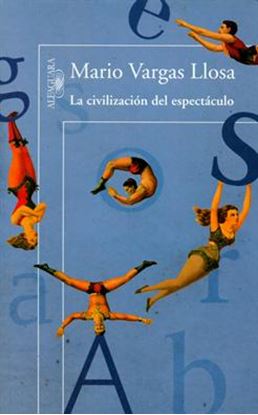
LA CIVILIZACION DEL ESPECTACULO
La banalización de las artes y la literatura, el triunfo del periodismo amarillista y la frivolidad de la política son síntomas de un mal mayor que aqueja a la sociedad contemporánea: la idea temeraria de convertir en bien supremo nuestra natural propensión a divertirnos. En el pasado, la cultura fue una especie de conciencia que impedía dar la espalda a la realidad. Ahora, actúa como mecanismo de distracción y entretenimiento. La figura del intelectual, que estructuró todo el siglo XX, hoy ha desaparecido del debate público. Aunque algunos firmen manifiestos o participen en polémicas, lo cierto es que su repercusión en la sociedad es mínima. Conscientes de esta situación, muchos han optado por el discreto silencio. Como buen espíritu incómodo, Vargas Llosa nos entrega una durísima radiografía de nuestro tiempo y nuestra cultura.
1,350
1,080
1,350
1,080
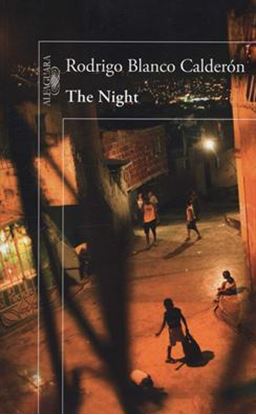
THE NIGHT
Caracas 2010. La crisis energética es aprovechada por el gobierno revolucionario para decretar cortes eléctricos que, durante horas, funden a negro todo el país. En esos lapsos de tiempo, Venezuela parece retroceder en la historia hacia una nueva Edad de Piedra que se filtra por todas las rendijas. En medio de esta atmósfera, dos amigos, un escritor frustrado y un psiquiatra acostumbrado a involucrarse en la vida de sus pacientes, conversan sobre una serie de crímenes ocurridos en el último año. Pedro Álamo, otro de los personajes de esta novela polifónica, busca obsesivamente en los juegos de palabras -los que crea y los que sueña de su admirado Darío Lancini- la clave para entender el desquiciado mundo en el que vive. Como si buscara convertir la realidad en algo diferente cambiando el orden de los elementos que la forman, intentando encontrar así su exacto significado.Literatura, rock, sueños, violencia, política, amor, ausencias y miedos se entremezclan en la mente de los protagonistas. Abren laberintos, crean encrucijadas y producen cortocircuitos vitales. Con esta historia en la que todo parece caminar al borde del delirio. Donde la Venezuela actual se ve reflejada en un espejo atravesado por sombras apocalípticas y sus habitantes se enfrentan al destino que les aguarda inexorable; sea este el cumplimiento de sus obsesiones o la muerte.
1,350
1,080