

1,400
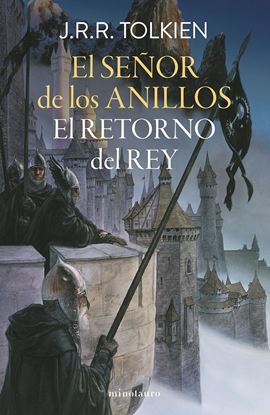
SEÑOR DE ANILLOS 3.RETORNO DEL REY (REV)
La tercera entrega de la trilogía El Señor de los Anillos.
Los ejércitos del Señor Oscuro van extendiendo cada vez más su maléfica sombra por la Tierra Media. Hombres, elfos y enanos unen sus fuerzas para presentar batalla a Sauron y sus huestes. Ajenos a estos preparativos, Frodo y Sam siguen adentrándose en el país de Mordor en su heroico viaje para destruir el Anillo de Poder en las Grietas del Destino.
1,400

1,400
UN CABALLERO EN MOSCU (25 ANIV)
Condenado a muerte por los bolcheviques en 1922, el conde Aleksandr Ilich Rostov elude su trágico final por un inusitado giro del destino. Gracias a un poema subversivo escrito diez años antes, el comité revolucionario conmuta la pena máxima por un arresto domiciliario inaudito: el aristócrata deberá pasar el resto de sus días en el hotel Metropol, microcosmos de la sociedad rusa y conspicuo exponente del lujo y la decadencia que el nuevo régimen se ha propuesto erradicar.
En esta curiosa historia se basa la segunda novela de Amor Towles, que después de recibir innumerables elogios por Normas de cortesía, su ópera prima, se consolida como uno de los escritores norteamericanos más interesantes del momento.
Erudito, refinado y caballeroso, Rostov es un cliente asiduo del legendario Metropol, situado a poca distancia del Kremlin y el Bolshói. Sin profesión conocida pese a estar ya en la treintena, se ha dedicado con auténtica pasión a los placeres de la lectura y de la buena mesa.
Ahora, en esta nueva y forzada tesitura, irá construyendo una apariencia de normalidad a través de los lazos afectivos con algunos de los variopintos personajes del hotel, lo que le permitirá descubrir los jugosos secretos que guardan sus aposentos. Así, a lo largo de más de tres décadas, el conde verá pasar la vida confinado tras los inmensos ventanales del Metropol mientras en el exterior se desarrolla uno de los períodos más turbulentos del país.
1,400
1,400
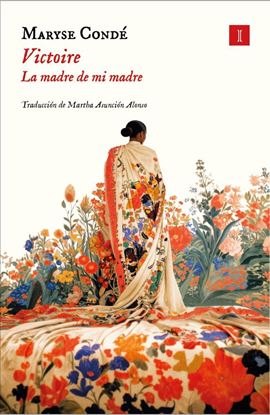
VICTOIRE
Maryse Condé, autora de Yo, Tituba, la bruja negra de Salem y de La Deseada, regresa a su isla natal de Guadalupe y a sus raíces en Victoire. La madre de mi madre, para narrarnos la fascinante vida de su abuela materna, Victoire Élodie Quidal, una cocinera que se convirtió en una figura legendaria de su época. Victoire, cuya piel era de una «blancura australiana» y cuya destreza culinaria fue codiciada por la élite, pasaba la mayor parte del tiempo encerrada en el templo de su cocina, que era como la propia Guadalupe: un crisol heterogéneo de razas y culturas en el que convivía la población negra, la mulata y los blanc pays que ejercían el poder en el archipiélago antillano. En este complejo cosmos dominado por la hegemonía francesa, una cocinera criolla que apenas podía pronunciar el nombre de sus platos en francés consiguió convertirse en una de las personalidades más importantes de la isla guiándose siempre por la profunda convicción que dirigía su existencia: ninguna labor es humilde si se aspira a la perfección.
Condé rastrea sus orígenes en una historia que fusiona con una sensibilidad exquisita memoria e imaginación. Tras sumergirse en su árbol genealógico, nos ofrece una de las historias más emotivas y cautivadoras de su trayectoria. Un testamento único y desgarrador de la vida en Guadalupe en el crepúsculo del siglo XIX.
1,400

1,400
PACK BILOGIA BALI
30 sunsets para enamorarte (Bali 1)
«Treinta atardeceres han bastado para enamorarme perdidamente de ti».
Nikki ha crecido en una pequeña isla de Bali. Alex ha aterrizado en ese oasis huyendo de Londres. Ella es veterinaria y da clases de yoga. Él es piloto de aviones y vive rodeado de lujo. Solo tienen treinta días para estar juntos, así que ninguno de los dos espera la vorágine de sentimientos y verdades a medias que harán que Alex y Nikki vivan un romance para el que ninguno de los dos está preparado.
¿De qué huye Alex? ¿Cuál es la verdadera razón de los miedos de Nikki? ¿Se puede vivir un amor con fecha de caducidad? ¿O hay historias de amor que no tienen billete de vuelta?
10.000 millas para encontrarte (Bali 2)
«Si lo nuestro fue un error, quiero equivocarme contigo cada segundo de mi vida».
Después de poner un océano de distancia entre los dos, Alex y Nikki descubrirán que no es tan sencillo mantenerse alejados, sobre todo cuando a su atracción se le una un peligro capaz de acabar con todo..., incluso con sus vidas.
¿Qué esconde Alex en Londres? ¿Cuál es la verdadera historia de la familia de Nikki? ¿Se puede poner límites a la pasión? ¿O hay historias donde el amor es más fuerte que la distancia?
1,400
1,400
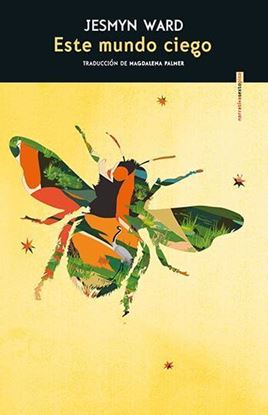
ESTE MUNDO CIEGO
Todo lo que Annis sabe lo aprendió de su madre: a luchar, a ser fuerte, a crecer en un mundo sumido en la oscuridad. También fue ella quien le contó que su abuela era una guerrera africana que llegó a América como esclava y que el hombre blanco al que ambas llaman «amo» fue quien la engendró: el mismo amo cruel que vendió a su madre a unos hombres del sur.
A Annis le aguarda ahora idéntico destino. Encadenada a una hilera de hombres y mujeres, recorre a pie los hermosos e implacables paisajes del sur de Estados Unidos: desde los campos de arroz de las Carolinas hasta una imponente plantación de azúcar en Luisiana, pasando por los mercados de esclavos de Nueva Orleans. Durante este viaje inhumano, la joven conocerá un mundo repleto de mitos y de espíritus, unos decididos a protegerla y otros dispuestos a traicionarla.
1,400
1,450
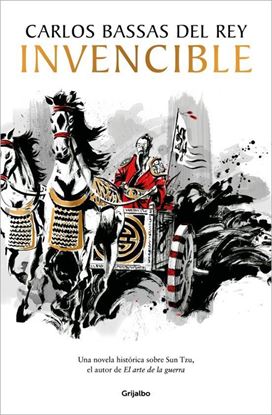
INVENCIBLE (SUN TZU)
Son muchos los hombres que han dejado huella en el campo de la estrategia militar. Alejandro Magno, Julio Cesar, el Cid, Napoleón... Pero existe otro nombre, siempre rodeado de misterio y cuya influencia ha llegado hasta nuestros días. Se trata de Sun Tzu, el general chino que legó a la posteridad un manual convertido en un clásico universal, El arte de la guerra. Esta es su historia.
Siglo VI a. C. Antigua China. Una gran guerra se avecina; la vieja dinastía de los Zhou se ha desmoronado, y varios de sus antiguos estados vasallos pugnan por hacerse con el control. El poderoso rey Hëlu solicita la ayuda de un joven general que deslumbra por su audaz visión de las tácticas belicas. Sus ideas arriesgadas, a veces incluso excentricas, consiguen desconcertar a los enemigos y llevar a los suyos hacia una sorprendente victoria. Este innovador militar, posiblemente el estratega más brillante de todos los tiempos, será recordado con el nombre de Sun Tzu y escribirá un tratado imprescindible sobre el noble arte de la guerra.
Esta novela aborda la vida de un heroe tan celebre como misterioso al tiempo que nos invita a viajar a una epoca y un país remotos, reconstruidos gracias a un exhaustivo trabajo de documentación.
1,450