1,450
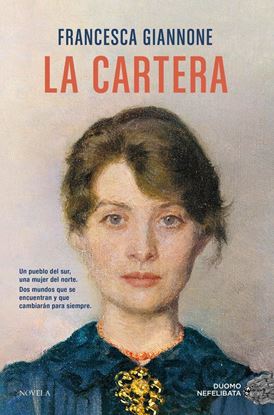
LA CARTERA
En Lizzanello, un pueblecito de unos pocos miles de almas, un autobús de línea se detiene en la plaza mayor y baja una pareja: él, Carlo, es hijo del sur y está contento de regresar a casa; ella, Anna, su esposa, nacida en el norte, está triste y preocupada: ¿qué vida le espera en esta tierra desconocida?
Incluso treinta años después de ese día, para la gente del pueblo Anna seguirá siendo «la forastera», la diferente, la que no va a la iglesia, la que no se pasea por el pueblo, la que no se interesa por los chismes. Y Anna, orgullosa y esquiva, no se doblegará nunca a las leyes no escritas que oprimen a las mujeres del sur. Lo conseguirá gracias al amor que siente por su marido, un amor cuya fuerza advierte con claridad el hermano mayor de Carlo, Antonio, que se enamora de Anna en el mismo instante en que la ve. Más tarde, hará algo realmente revolucionario: se presentará al concurso para ocupar un puesto en correos. «La cartera», como Anna quiere que la llamen, se convertirá en el hilo invisible que une a los habitantes del pueblo y sus historias. Primero a pie y después en bicicleta, orgullosa con su uniforme y la gorra, cambiará la vida en Lizzanello.
1,450
1,450
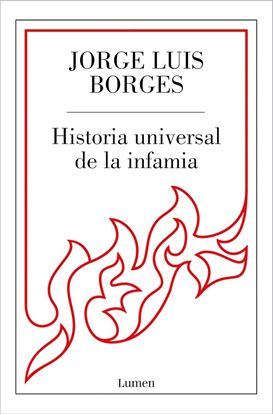
HISTORIA UNIVERSAL DE LA INFAMIA (LUMEN)
Dice Borges que las páginas de este libro son el irresponsable juego de un tímido que no se animó a escribir cuentos y que se distrajo en falsear y tergiversar historias ajenas. Historias de infames: ladrones, rufianes, piratas, traidores. Aquí están, entre otros, el atroz Lazarus Morell, redentor de esclavos; el impostor Tom Castro, hijo apócrifo y tolerante; la aguerrida viuda Ching, hábil en el saqueo en altamar, y el incivil maestro de ceremonias Kotsuké no Suké, aciago funcionario. Les siguen «Hombre de la esquina rosada», uno de sus relatos más celebrados, y «Etcétera», un testimonio de sus incontables lecturas: «A veces creo que los buenos lectores son cisnes aun más tenebrosos y singulares que los buenos autores».
La tierra que habitamos es un error, una incompetente parodia. Los espejos y la paternidad son abominables, porque la multiplican y afirman.
1,450
1,450
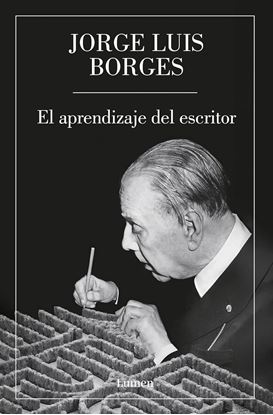
EL APRENDIZAJE DEL ESCRITOR (LUMEN)
Los textos inéditos suelen perdurar en cuadernos, márgenes o papeles dispersos; éste permaneció en una cinta magnetofónica, grabada en Nueva York hace más de cincuenta años. Los encuentros del seminario que Borges ofreció en la Universidad de Columbia en 1971 estuvieron dedicados a la escritura, tanto de ficción y poesía como de traducción. Cada reunión estuvo abierta a las preguntas de los estudiantes y, a la manera de los diálogos platónicos, la conversación recrea el contraste de los puntos de vista del autor y de sus lectores.
¿Cómo construye Borges un poema o un relato? ¿Qué diferencia reconoce entre cuento y novela? ¿Por qué nunca escribió una? ¿Cuál es el deber del escritor en función de su tiempo? ¿Qué distancia hay entre lo que un escritor se propone hacer y lo que en realidad hace?
En este libro Borges contesta, entre muchas otras, a estas preguntas.
1,450
1,450
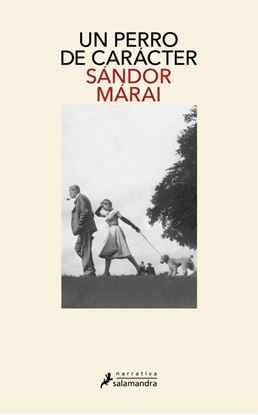
UN PERRO DE CARACTER
Budapest, Nochebuena de 1928. Aunque envuelta en un espeso manto de nieve, la ciudad conserva un aspecto soberbio y majestuoso, y un escritor observa los escaparates iluminados con la mezcla de consternación y perplejidad que suele invadirlo siempre que se dispone a hacer alguna compra. Tal como ocurre desde hace más de una década, ha acordado con su esposa que no se intercambiarán ningún regalo para no agravar sus estrecheces económicas, pero él sabe que, como cada año, tendrá que cumplir con la tradición a riesgo de decepcionarla. Así, acaba comprando un cachorro de nombre Chútora, de pelo enmarañado y el tamaño de un puño, que pronto desempeñará un papel decisivo en su hogar hasta transformar para siempre la vida de todos.
1,450
1,450
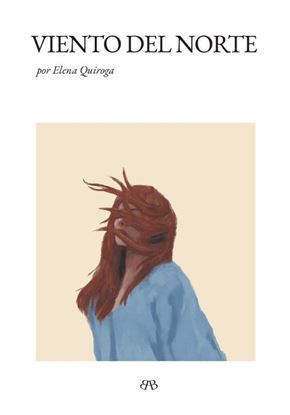
VIENTO DEL NORTE
Recuperamos la novela ganadora del Premio Nadal 1950 que narra la vida de Marcela en un Pazo de la Galicia más rural «Quiroga fue una novelista sin lastres, con un enfoque insólito comparable a Flush de Virginia Woolf o Nada de Carmen Laforet». El Cultura Un mundo de sentimientos, en el que lo popular y la pasión son mecidos por la fuerza grácil del intenso viento, el otro protagonista de la novela. Premio Nadal en el año 1950 de la autora Elena Quiroga, primera novelista en ingresar en la RAE. De una narrativa rompedora, Viento del Norte aborda temas tan complejos como la incomunicación y la contradicción en el juego tortuoso del amor. A través de la vida de Marcela, una chica a la que la gente desprecia por ser fruto de una relación extramatrimonial, recorremos el mundo rural gallego con sus personajes aislados y víctimas de la sociedad de aquel momento. Asistimos a una una relación desigual pero no por la manida diferencia de clase sino precisamente -y éste es un acierto de Quiroga- por la falta de correspondencia de Marcela, que sitúa un veterano aristócrata en una posición de inferioridad. Además, nuevos acontecimientos darán un inesperado giro a la trama. Se trata, en suma, de una novela muy estimable en la que brilla la prosa lírica de la autora, hoy injustamente poco recordada.
1,450
1,450
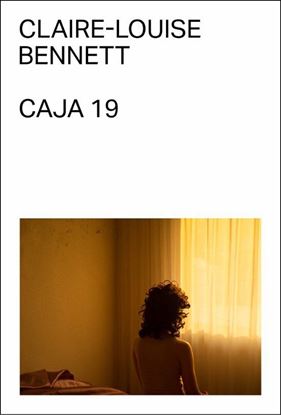
CAJA 19
Bennett escribe como nadie. Tiene un talento poco común y Caja 19 es una novela magistral.» Karl Ove Knausgård «El primer capítulo me pulverizó.» Hernán Díaz «Un tour-de-force existencial.» Eimear McBride En una ciudad obrera del sudoeste de Inglaterra, una estudiante garabatea historias en las últimas páginas de su cuaderno, embriagada por las primeras chispas de su imaginación. A medida que crece, todo lo que encuentra se convierte en combustible para este talento: uno de los clientes del supermercado en el que trabaja como cajera, las pilas de libros en los que se pierde y se encuentra, incluso el devastador descarrilamiento de una amistad; historias que, junto con las lecturas que la acompañan, servirán a nuestra narradora para forjarse un camino. Incluido en la lista de los diez mejores libros de 2022 de The New York Times y considerado por The New Yorker «lectura imprescindible», Caja 19 explora los vasos comunicantes entre la vida y el arte, y es un fantástico homenaje a las mujeres creadoras. Una primera novela que confirma a Claire-Louise Bennett, autora de la celebrada colección de relatos Estanque, como una de las más audaces y originales de la narrativa anglosajona actual.
1,450