


1,450
ACELERANDO EN ROJO
Asher Vega, estrella de la Fórmula 1, está al borde del abismo: un pasado que lo atormenta, patrocinadores que amenazan con abandonarlo y un equipo al límite de la paciencia. Para salvar su carrera, tendrá que aceptar lo que más detesta: ceder el control.
Chiara Roux no huyó para salvar a nadie. Dejó atrás una vida que no la llenaba y vio en Altrossa la oportunidad de empezar de nuevo. Lo que no esperaba era enfrentarse al piloto más insufrible del circuito… ni que él hiciera de su trabajo un auténtico desafío.
Entre enfrentamientos constantes y secretos que ninguno quiere confesar, Chiara y Asher descubrirán que no basta con huir para escapar de uno mismo. Porque cuando dos almas rotas colisionan, el resultado puede ser tan caótico como inevitable.
1,450

1,450
EL INCIDENTE
Un retrato implacable de la sociedad del malestar que arroja luz sobre la precariedad emocional y el desamparo de quienes más sufren las deficiencias del sistema sanitario», Daniel Remón.
Nadie tiene la culpa. Estas cosas pasan. Solo fue un «incidente». Esa es la palabra que más se repite a la hora de hablar del enfrentamiento entre Ricardo Montesinos, jefe de la planta de psiquiatría del hospital, y Manuel Alejandro, un joven paciente ingresado por tercera vez en la unidad de agudos. La versión oficial se empieza a desmoronar cuando un escritor en crisis, que estuvo ingresado hace veinte años en ese mismo lugar, se decide a investigar el caso y confronta los testimonios de todos los implicados.
Basada en hechos y personajes reales, El incidente es una novela polifónica que aborda cuestiones fundamentales y contradictorias en torno a la enfermedad mental: la diversidad de causas que la inducen biológicas y contextuales, los intereses detrás del aumento del malestar en nuestra sociedad o la necesidad de acabar con el estigma que la rodea sin caer en el exhibicionismo al que conduce su permanente visibilización.
1,450

1,450
ROMA SANGRIENTA
Este libro es algo más que una historia de Roma. Al abordar el true crime ambientándolo en la Antigüedad, retrata la historia de una forma nueva y fascinante: Roma sangrienta reflexiona sobre el concepto de la violencia en una sociedad que entendía las rencillas, los agravios y el ajuste de cuentas de una forma muy distinta a como los vemos nosotros.
Una obra que recoge algunos de los casos más truculentos, extraños o fascinantes de la historia de Roma: emperadores asesinados, acusaciones nunca resueltas o anécdotas que han trascendido hasta nuestros días y que componen un fresco fascinante de la forma en que la sangre podía llegar a derramarse entre las calles de la ciudad eterna.
1,450
1,450
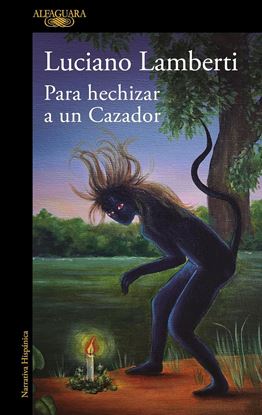
PARA HECHIZAR A UN CAZADOR(P.CLARIN 2023
Julia escucha en un bar a una vieja que la abordó en la calle y dice ser su abuela. Siempre tuvo dudas sobre su propio origen, y Griselda ahora le revela su verdadera historia. Muy pronto entenderá que detrás de esa apacible anciana hay más de lo que dice. Los lectores, con ella, empezarán una inmersión sin pausa en un territorio de horror multiforme que, en la repetición de la tortura y la muerte, replica los gestos sangrientos de la dictadura militar argentina. Una trama labrada con excelencia que repasa los años sesenta y setenta con los recursos del terror y del gore y que deslumbra con su maestría y agudeza.
1,450

1,450
DIENTES BLANCOS (25 ANIV)
El estoicismo fue una de las escuelas filosóficas más influyentes de la antigüedad y su influencia sigue vigente hoy en día. Surgió en Atenas hacia el 300 a. C. y se convirtió en una de las filosofías más populares del mundo romano; sus doctrinas atraían a personas de todos los estratos de la sociedad antigua, desde el esclavo Epicteto hasta el emperador Marco Aurelio.
Con un lenguaje sencillo y muy divulgativo, en Estoicismo Sellars ofrece una introducción a los estoicos antiguos, a sus obras y a otros autores antiguos que refieren testimonios sobre la filosofía estoica, una escuela de vida que todavía tiene mucho que decir a los lectores del siglo XXI.
1,450
1,450
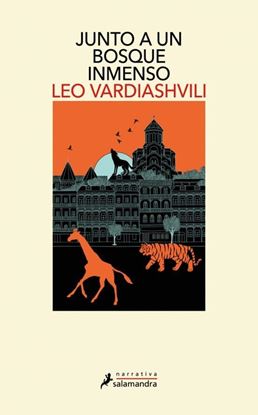
JUNTO A UN BOSQUE INMENSO
Considerado el novelista revelación del año por los más importantes medios anglosajones y elogiado por autores de la talla de Khaled Hosseini, Leo Vardiashvili firma una ópera prima espectacular con Junto a un bosque inmenso, un relato sobre las andanzas de tres miembros de una familia que, tras años de exilio en el Reino Unido, vuelven a su tierra natal de Georgia. Una historia de pérdida y supervivencia que nos sumerge por completo en la vida de la antigua república soviética, mostrando la entereza y valentía de sus gentes de una manera increíblemente conmovedora.
Saba es sólo un niño cuando, a principios de los noventa, huye de los combates en Georgia con su hermano mayor, Sandro, y su padre, Irakli, en busca de asilo en Inglaterra. Dos décadas después, los tres luchan por reconciliarse con el pasado, atormentados por lo que dejaron atrás. Cuando Irakli regresa a su país, arrastrado por los recuerdos de una esposa perdida y un territorio desolado pero bello, Saba y Sandro esperan con ansia noticias suyas. Pero Irakli desaparece al poco de llegar, y su último mensaje es un misterio. Entonces, Saba decide seguir sus pasos en un viaje que lo llevará al corazón de un conflicto que ha marcado a generaciones y fracturado a su familia. Empeñado en saber qué queda de su tierra y su gente, descubrirá que todos los caminos conducen a secretos escondidos en los inmensos bosques georgianos.
1,450