

1,450
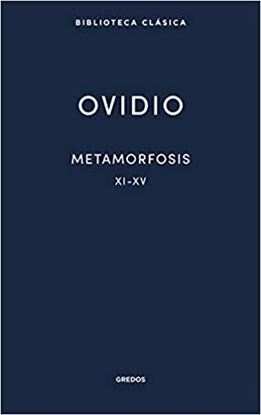
METAMORFOSIS XI-XV
Epopeya mitológica por excelencia, las Metamorfosis es una de las obras magnas de Ovidio. El conjunto de relatos memorables que han servido a lo largo de los siglos como materia de innumerables refacciones por parte de las artes y las ciencias merecía una cuidada edición crítica en la Biblioteca Clásica Gredos. Con este tercer y último volumen, culmina el asombroso catálogo ovidiano de más de doscientas mutaciones, entre las que podemos encontrar pasajes tan célebres como los de Narciso, Eco o Apolo y Dafne, por solo citar algunos de sus más bellos ejemplos. Publicado por primera vez en esta colección, este volumen presenta la traducción inédita hasta hoy de los libros XI-XV de las Metamorfosis de Ovidio realizada por José Carlos Fernández Corte y Josefa Cantó Llorca (Universidad de Salamanca).
1,450
1,450
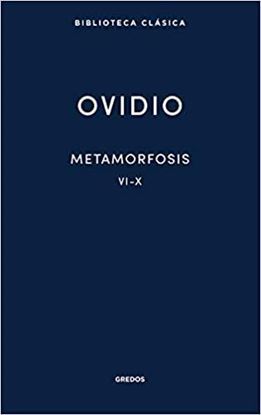
METAMORFOSIS VI-X
Epopeya mitológica por excelencia, las Metamorfosis es una de las obras magnas de Ovidio. El conjunto de relatos memorables que han servido a lo largo de los siglos como materia de innumerables refacciones por parte de las artes y las ciencias merecía una cuidada edición crítica como la que presenta la Biblioteca Clásica Gredos. Este es el segundo volumen de los tres que integran una de las traducciones más actuales al español y que está llamada a convertirse en un referente ineludible de la tradición ovidiana.
Publicado originalmente en la BCG con el número 400, este volumen presenta la traducción de los libros VI-X de las Metamorfosis de Ovidio realizada por José Carlos Fernández Corte y Josefa Cantó Llorca (Universidad de Salamanca) y revisada por ellos para esta edición.
1,450

1,450
MARES DE FURIA
A bordo de La Argentina Hipólito Bouchard cruza los mares provocando terror. Marino francés, corsario audaz y, por momentos, temible titán es conocido por sus combates en las guerras por la independencia de Argentina, como el asedio a California, hacia 1816.
Con un estilo que evoca las novelas de aventuras y piratas, Federico Andahazi nos ofrece una trama que incluye tesoros ocultos, intriga política, batallas navales y camaradería corsaria. Además de Bouchard, desfilan por estas páginas grandes figuras como el Almirante Brown, el marino Tomás Espora y Lord Byron.
Mares de Furia retrata los últimos estertores de la España colonial en América y brinda un panorama de lo variopinta, solidaria y férrea que fue la empresa independentista en el continente. Con un estilo cautivador y trepidante que nos invita a meternos de lleno en la época, Andahazi consigue el retrato de un grupo de hombres que batalló, con honorabilidad, valentía y una inagotable sed de justicia, en pos de la libertad de toda América.
1,450
1,450
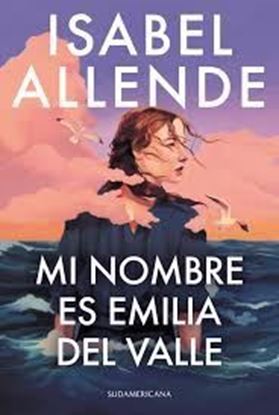
MI NOMBRE ES EMILIA DEL VALLE (TB) (ARG)
Una inolvidable historia de amor y de guerra protagonizada por una mujer que, enfrentada a los mayores desafios, sobrevive y se reinventa. San Francisco, 1866: una monja irlandesa, embarazada y abandonada por un aristocrata chileno tras una apasionada relacion, da a luz a una niña a la que llama Emilia del Valle. Criada por su cariñoso padrastro, Emilia se convertira en una joven brillante de gran personalidad, autonoma e independiente, que desafiara las normas sociales de su tiempo para profesar su verdadera pasion y vocacion: la escritura. Con tan solo diecisiete años, publicara novelas de aventuras bajo un pseudonimo masculino. Pero, enseguida, su mundo ficticio se le quedara pequeño y decidira optar al puesto de periodista que se le ofrece en el periodico local para vivir de cerca la realidad. Tiempo despues, se le presentara la oportunidad de viajar como corresponsal a la ferviente guerra civil en Chile y no dudara en tomarla. Junto al avezado periodista Eric Whelan, Emilia se encontrara una nacion en quiebra, al borde del abismo. Mientras cubre el conflicto belico entre el presidente Balmaceda y el congreso rebelde, aprovechara la estancia en el pais para explorar sus vinculos con la familia Del Valle y poder, al fin, conocer a su padre. Sus reportajes la situaran en el centro de la guerra, soportando situaciones de terrible violencia en el campo de batalla, en el hospital de sangre y en la carcel, donde varias veces se debatira entre la vida y la muerte. Al tiempo, vivira -y sufrira- el amor y conocera tambien, entre bosques, lagos y volcanes, una tierra donde no llega el horror de la guerra y donde, tal vez, acabe descubriendo no solo su destino sino su propia identidad. Una cautivadora e inolvidable historia de amor y de guerra, de descubrimiento y redencion, protagonizada por una mujer que, enfrentada a los mayores desafios, sobrevive y se reinventa. Emilia del Valle es desde ya un personaje inolvidable del universo mas fertil de Isabel Allende, la saga Del Valle, que empezo con su obra maestra La casa de los espiritus y continuo con Hija de la fortuna y Retrato en sepia.
1,450
1,450
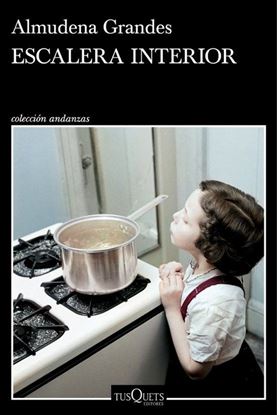
ESCALERA INTERIOR
Escalera interior es el murmullo de los patios de luces que recogen olores de guisos, ruidos de cacharros y cucharones, risas, confidencias susurradas a media voz, buenos días y buenas noches que se intercambian en el rellano; es el murmullo que recoge nuestra rutina, la de la gente de a pie, en esas realidades pequeñas que son las que esconden las grandes historias. Las que, durante años, Almudena Grandes imaginó y regaló a sus lectores en El País Semanal, donde, cada quince días, a veces como narraciones, otras como escenas, y otras más como crónicas, levantaba personajes, vidas que merecían ser contadas.
1,450
1,450
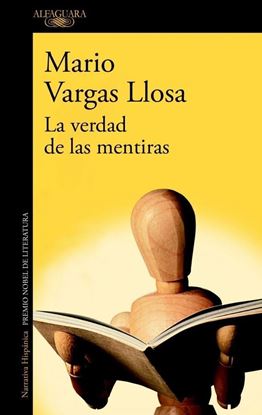
LA VERDAD DE LAS MENTIRAS
«Ese espacio entre nuestra vida real y los deseos y las fantasías que le exigen ser más rica y diversa es el que ocupan las ficciones.»
La vida es una y tiene límites. La lectura de novelas los revienta y lo que era una se convierte en mil, infinitas. Ése es el mayor poder de la literatura, y este libro nos hace participar de él.
Lolita, Muerte en Venecia, El corazón de las tinieblas, Manhattan Transfer, Trópico de Cáncer y El tambor de hojalata son sólo algunas de las obras del siglo XX de las que nos habla Mario Vargas Llosa en estas páginas. Revela con sus palabras la íntima relación de su lectura con las posibilidades de ampliar nuestra experiencia vital.
A estos ensayos se añade un prólogo -con reflexiones lúcidas y apasionadas sobre el sentido de la ficción- y un epílogo. Este espléndido cierre resulta toda una incitación al placer de leer además de una inmersión en las opiniones del autor, uno de los escritores más geniales de nuestro tiempo, sobre la función de la literatura y el presente y el futuro del libro.
1,450