

1,500
EL HECHIZO DE LILY DAHL
La joven Lily Dahl vive en Webster, Minnesota, en una habitación sobre la cafetería de la calle principal donde trabaja como camarera y sueña con convertirse en actriz; allí sirve desayunos a los perturbados y sucios granjeros Frank y Dick, de cuyo padre se rumorea que enterró viva a su esposa Helen, así como a otro pariente de la difunta, el excéntrico solitario Martin Petersen, antiguo compañero de juegos de la infancia de Lily. Así que cuando empiezan a ocurrir sucesos realmente inquietantes en el pueblo los sospechosos no escasean, incluido Ed Shapiro, el atractivo pintor forastero que trabaja en sus misteriosos lienzos durante la noche y roba el corazón de Lily.
La protagonista de esta asombrosa novela, al borde de la adultez, se adentra en esa etapa entre aventuras eróticas, amistades profundas pero inesperadas y actos de locura inexplicables mientras se convierte en una intrépida detective. Pero la historia de Lily es también la historia de un pequeño pueblo, donde las personas están unidas por un poderoso sentido de pertenencia, tanto geográfica como espiritualmente, y donde los chismes y los secretos son tan esenciales para el vínculo entre sus habitantes como las fronteras que lo delimitan.
1,500

1,500
FUEGO. BOMBEROS DE SKY RIDGE 1
Un amor que arde.
Ser el capitán de una brigada de bomberos forestales es una tarea de alto riesgo y alta recompensa. El riesgo me tomó por sorpresa hace cinco años, cuando perdí a uno de los miembros de mi equipo y eso me cambió para siempre. Desde entonces, las únicas recompensas que me permito son trabajar más duro, con más inteligencia, y disfrutar de noches con desconocidas.
Hasta que conozco a Prescott. Su lengua afilada y su espíritu aventurero hacen que me olvide de todas mis reglas... Sin embargo, cuando su pasado reaparece y las mentiras empiezan a resultarme demasiado familiares, juro no volver a mirarla.
Pero todo cambia cuando ella se encuentra en una situación de vida o muerte. Mis instintos entran en acción y no puedo quedarme de brazos cruzados. Atrapados y compartiendo cama otra vez, nos vemos obligados a enfrentar la verdad.
1,500
1,500
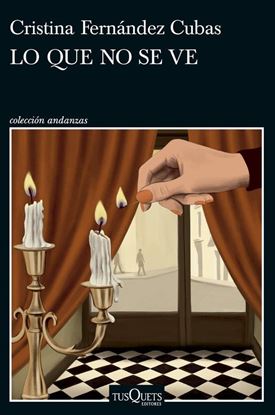
LO QUE NO SE VE
Dos hermanas ya ancianas juegan a representar su película favorita de juventud: una cinta inquietante. Dos adolescentes, compañeras de clase, se descubren crudamente con otra mirada el día de fin de curso. Una mujer evoca, muchos años después, la fiesta en que sus amigos universitarios se atrevieron a invocar al Otro, una tarde que cambió para siempre sus vidas. ¿Puede producirse entre humanos una interacción semejante a la que se da entre algunas plantas…? En una ciudad italiana, a la que ha viajado para acompañar a su pareja, un hombre accede a la zona en obras de la catedral donde recibirá un mandato con consecuencias imprevistas. Una mujer cruza acalorada la calzada atestada de coches y, tras un conato de desvanecimiento, repara en una curiosa tienda nueva en el barrio. Con un magistral uso de la psicología e introduciendo sutiles perturbaciones en la experiencia cotidiana, las historias de Lo que no se ve rozan a menudo lo inexplicable, lo terrorífico, pero también lo no dicho, lo que intuimos y no sabemos expresar, o lo que inesperadamente nos cambia y no olvidaremos ya nunca.
1,500
1,500
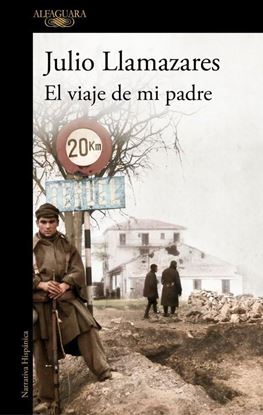
EL VIAJE DE MI PADRE
Como sucede siempre, cuando mi padre me contaba esas historias yo no le hacía mucho caso y ahora me arrepiento de ello. Mi padre murió pronto y sus recuerdos quedaron en ese limbo de la memoria en el que se desvanecen las vidas de los que nos precedieron y a los que no escuchamos cuando estaban vivos. Luego nos arrepentimos de ello y, como yo ahora, tratamos de reconstruir sus pequeñas historias con los retazos de lo que se quedó en el aire y aún alcanzamos a recordar.
En honor de su padre y de sus compañeros, pero también por recorrer un territorio, el que atraviesa la espina dorsal de la península ibérica, que sintetiza como muy pocos su esencia, el autor ha repetido su viaje y lo ha hecho en los mismos meses del año en los que lo hicieron ellos para intentar sentir lo que ellos sintieron siquiera sea referido al clima. Por el camino se encontró con personajes que mantienen vivo el recuerdo de aquel invierno terrible, el peor del siglo XX, y de una primavera y un verano calurosos junto al mar, y con algunas de las historias que su padre le contó y que los paisajes conservan aun flotando como una pátina sobre ellos, «pues la historia permanece en los lugares en los que sucedió como las palabras sobre la memoria».
1,500

1,500
HIJA DE LA BELLA VERONA
Érase una vez una joven pareja que se enamoró perdidamente pese a pertenecer a familias rivales. Probablemente conoces la historia y como acabó (pista: mal, fatal), pero en realidad no es así como termina: Romeo y Julieta viven felices y comen perdices… y también son mis padres.
Me llamo Rose y soy la mayor de sus siete hijos, con énfasis en «mayor», porque con veinte años ya me consideran una solterona. Pero ¿quién puede pensar en matrimonio cuando te has criado entre apasionadas declaraciones de amor, versos recitados a la luz de la luna y besuqueos constantes? ¡Es agotador!
Hasta ahora he logrado esquivar el altar presentando a mis pretendientes a prometidas más adecuadas, pero parece que no conseguiré deshacerme del viudo duque Stephano, cuyas anteriores esposas (tres, para ser exactos) han tenido «finales desafortunados». Sin embargo, la noche de nuestro baile de compromiso, mi futuro marido aparece con una daga clavada en el pecho. Media Verona tiene motivos para asesinarle, pero cuando todos a su alrededor comienzan a desaparecer, morir o volverse locos, sé que debo encontrar al culpable antes de que me encuentre a mí.
1,500

1,500
MANO DE SOMBRA
«Dos años de tareas dominicales que prueban mi nula disposición a santificar las fiestas... Al releer estos artículos seguidos, me parece que he opinado demasiado». Estas palabras sirven de introducción a un Javier Marías insólito, cotidiano, atento a lo que ocurre a su alrededor y que atraviesa todos los estados de ánimo imaginables: lo vemos evocativo e indignado, a menudo pertido y bromista, pero también atribulado por la saña española que aún tiñe nuestro tiempo; melancólico, risueño, grave, irónico, compasivo o desengañado, siempre logra contagiarnos y no nos deja indiferentes con su Mano de sombra.
1,500