


750
EL SECRETO DE LA INDIANA (BOL)
Una extraña muerte. Dos hermanos en la ruina. Y la llegada de una desconocida inversora que oculta un gran secreto.
Isla de la Palma, 1876. Miguel y Alejandro son gemelos y acaban de heredar la fábrica de tabacos La Indiana de forma repentina. Ambos quieren continuar con el negocio familiar, pero descubren que está al borde de la quiebra. La única opción es la venta.
Eliana, oriunda de Cuba, acaba de instalarse en la isla. Fascinada por la tabaquera, está dispuesta a invertir en el negocio para ayudarlos. Pero la mujer oculta un secreto que si se descubre puede arruinar la vida de todos.
750
750
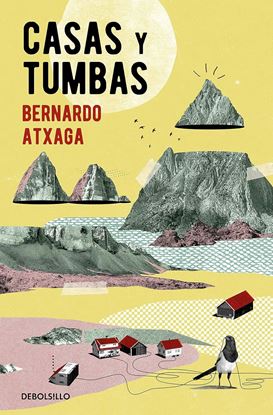
CASAS Y TUMBAS (BOL)
En una panadería de Ugarte, en el País Vasco, un niño que un verano ha regresado sin habla de un internado en el sur de Francia recupera las palabras gracias a su amistad con dos hermanos gemelos y a algo extraño que descubren los tres en las aguas del canal que baja de la montaña. La dictadura franquista está llegando a sus últimos días. Todo está cambiando en Ugarte y también en el cuartel de El Pardo donde, poco antes, Eliseo, Donato, Celso y Caloco intentan adiestrar una urraca y burlar el coto de caza reservado a los poderosos. La de ellos fue también una historia de amistad, con sus dosis justas de inconsciencia, rebeldía y tragedia.
Años más tarde, las huelgas alentadas por los sindicatos hacen temblar la industria minera de Ugarte. Son ya los turbulentos ochenta, y Eliseo y los gemelos se ven envueltos en una trama de venganza, urdida por el ingeniero Antoine, que parece propia del género negro. El tiempo pasa rápido y transforma todo lo de fuera: llega la música, la televisión con sus realities, el correo electrónico, aunque en el interior de los protagonistas de esta historia se mantienen intactos los silencios, los secretos, las amenazas... No es más que la vida, que discurre como hilos de agua entre las piedras. Pero avanza.
750
750
DIAS DE NEVADA (BOL)
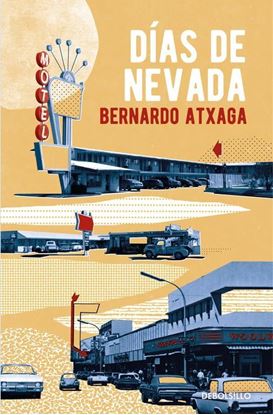
También yo quería entrar en el mundo real, y por un momento lo logré. Los dos caballos salvajes que estaban frente al Chevrolet Avalanche se pusieron a girar como en un carrusel, y con ellos el de Cornelie, el caballo negro de Franquito y otros caballos que formaban parte de mi pasado. Pensé -solo por un momento, ya lo he dicho- que aquella era la imagen de mi vida, y que me sería fácil poner junto a los caballos, o en su lugar, criaturas humanas: la mujer que leía Reader's Digest, el hombre que en el hospital se sentía enjaulado como un mono, José Francisco, Didi, Adrián, L., yo mismo, Ángela, Izaskun, Sara... Una vuelta, dos vueltas, tres, cuatro, y así hasta que el carrusel se parase. Pero ¿dónde estaba el centro? ¿Dónde el eje en torno al cual giraba todo?»
750
750
EL LIBRO DE LA SELVA(EDIMAT)(G.N.A) (TD)
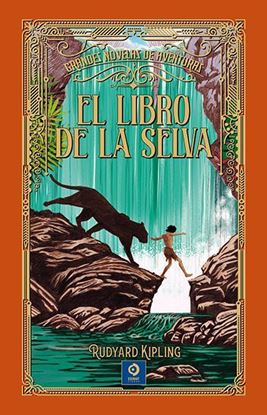
El libro de la selva es, a grandes rasgos, la historia de Mowgli, un «cachorro humano» acogido por los lobos y criado por una loba (como en la fábula), que lo defenderá desde el principio y hasta el final, en pleno corazón de la selva. Una selva la de El libro de la selva inspirada o basada en un lugar real: el Parque Natural de Kanha, creado en el año 1955, ampliado en 1962 y 1970 y ubicado en el estado de Madhya Pradesh, en la India septentrional.
750

750
BEAUCHAMP HALL (BOL)
Winona Farmington soñaba con graduarse de la universidad, mudarse a Nueva York y dedicarse al mundo editorial, pero la vida se interpuso en su camino y tuvo que abandonar los estudios para volver a su pequeña ciudad del estado de Michigan y cuidar a su madre enferma.
Años más tarde, Winnie se consuela viendo Beauchamp Hall, un drama de época ambientado en una gran casa de Norfolk, en cuya historia se sumerge intentando escapar de su rutinaria realidad.
Sin embargo, todo cambia cuando, en el mismo día, en el trabajo la desestiman para un merecido ascenso y su novio y su mejor amiga la traicionan. Siguiendo un impulso por primera vez en su vida Winnie deja su trabajo, se marcha de su ciudad y viaja a Inglaterra, al lugar en el que se graba su serie favorita, y lo que sucede a continuación nos recuerda que nunca debemos conformarnos. Ya que siempre hay que perseguir los sueños... ¡porque no se sabe cuándo puede ocurrir la magia!
750
750
HILLBILLY, UNA ELEGIA RURAL (BOL)
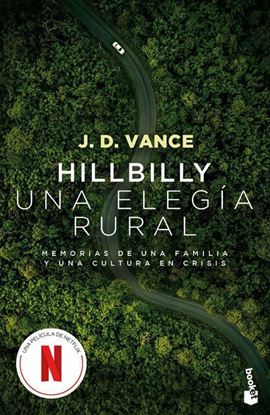
Hillbilly, una elegía rural es un relato apasionado y apasionante de una clase social en decadencia, la de la clase trabajadora blanca en Estados Unidos. Los hillbillies, término peyorativo que hace referencia a los habitantes de la cordillera de los Apalaches, forman parte de este grupo social cada vez más empobrecido y radicalizado del país. J.D. Vance cuenta la historia de unos habitantes que se han ido degradando lentamente durante más de cuarenta años y cuyo declive ejemplifica a la perfección su disfuncional familia. De la mano de su violenta abuela, de su madre drogadicta o de su ausente padre, Vance retrata los anhelos, las luchas y conflictos, los valores y la incansable búsqueda de culpables a quienes responsabilizar de su desdicha, de una comunidad olvidada durante años por el sistema y ahora, tras la victoria de Donald Trump, convertida en centro de atención. El resentimiento, la falta de ambición y una combinación letal de victimismo y pesimismo junto a una devoción por el país, una fervorosa fe en Dios y un desaforado sentido del honor han hecho que los hillbillies posean una tendencia a la violencia física y verbal, al alcoholismo y las drogas, se conformen con vivir de los subsidios del Gobierno y sean despreciados por sus compatriotas de ambas costas del país. Su respuesta a todo ello es conocida: han encumbrado a Donald Trump a la presidencia de Estados Unidos.
750

750
CASI UNA NOVELA (BOL)
Rebeca es una joven abogada que, tras su último desengaño, tiene claro que no volverá a sufrir más por amor y determina centrarse en sí misma y en su profesión. Una noche, cuando refresa a casa, se encuentra a Pizza, una preciosa perrita abandonada. Aunque en un principio decide no quedársela, cuando ésta clava sus ojos en ella, sabe que de su lado ya no se irá. A partir de ese instante todo en su vida será distinto. Pizza, una cazadora de piel y una niña encantadora harán que el futuro de Rebeca cambie totalmente, sobre todo cuando el sexy y archiconocido piloto Paul Stone se cruza en su camino y le enseña a perder el miedo a amar y a disfrutar de la vida. Pero inevitablemente algo provocará que Rebeca sienta de nuevo muchas dudas.
750
750
EL PRINCIPITO (ALMA) (CLASICO ILUST) (AL
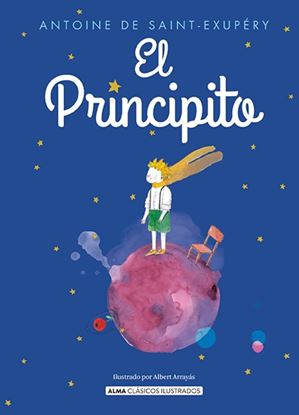
Antoine de Saint-Exupéry tuvo una vida fascinante y una muerte mítica. Piloto comercial, reportero de viajes y activista político, ideó El principito durante sus largos vuelos en solitario por el desierto del Sáhara. Si bien la novela de Saint-Exupéry es considerada una obra infantil, contiene reflexiones muy valiosas que permiten abordar temas como la soledad, la amistad, el amor, el egoísmo, el sacrifi io, el deber y, sobre todo, la importancia de lo que somos frente a lo que parecemos. El principito es uno de los libros más profundos y hermosos jamás escritos. Una obra maestra imperecedera que ha cautivado a millones de lectores de todo el mundo. Con nuevas ilustraciones de Albert Arrayás
750
750
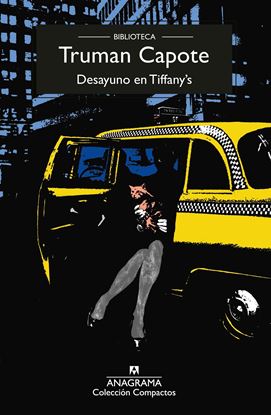
DESAYUNO EN TIFFANY'S
Holly Golightly, la protagonista de Desayuno en Tiffany’s, es quizás el más seductor personaje creado por ese maestro de seducción que fue Truman Capote. Atractiva sin ser guapa, tras rechazar una carrera de actriz en Hollywood Holly se convierte en una estrella del Nueva York más sofisticado; bebiendo cócteles y rompiendo corazones, parece ganarse la vida pidiendo suelto para sus expediciones al tocador en los restaurantes y clubs de moda, y vive rodeada de tipos disparatados, desde un mafioso que cumple condena en Sing Sing al que visita semanalmente hasta un millonario caprichoso de afinidades nazis, pasando por un viejo barman secretamente enamorado de ella. Mezcla de picardía e inocencia, de astucia y autenticidad, Holly vive en la provisionalidad permanente, sin pasado, sin querer pertenecer a nada ni a nadie, sintiéndose desterrada en todas partes pese al glamour que la rodea y soñando siempre con ese paraíso que para ella es Tiffany’s, la famosa joyería neoyorquina.
750