

1,550
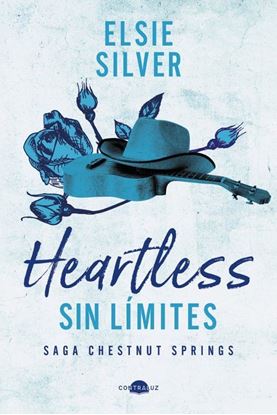
HEARTLESS. SIN LIMITES (2)
Trabajar de niñera para el padre soltero más gruñón del mundo debería haber sido pan comido. Pero no puedo dejar de mirarlo... Y el no puede mantener sus manos lejos de mí.
Cade Eaton es trece años mayor que yo y apenas me presta atención. Hasta que una noche me meto en el jacuzzi con el y decidimos jugar a verdad o atrevimiento. A partir de ese momento, todo vale, menos la ropa.
Es todo un cascarrabias y un poco rudo, pero resulta que los rancheros fornidos y malhablados son mi debilidad. Así que, ¿cómo voy a resistirme?
1,550
1,550
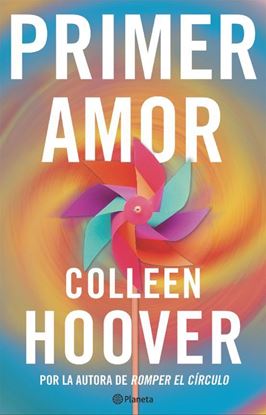
PRIMER AMOR (HEART BONES)
Una novela sobre las almas gemelas y el primer amor de Colleen Hoover, autora de Romper el círculo. Colleen Hoover, un fenómeno imparable.
Después de una dura infancia, Beyah Grim consigue una beca para abandonar para siempre el lugar en el que nunca ha sido feliz. Pero dos meses antes de marcharse una muerte inesperada la deja sin hogar y se ve obligada a pasar el resto del verano en Texas con un padre al que apenas conoce. Rota y ansiosa por que el verano pase rápido, Beyah no tiene tiempo ni paciencia para Samson, el rico y melancólico vecino de al lado. Sin embargo, la conexión entre ellos es demasiado intensa como para ignorarla. Tienen claro que sus planes de futuro les van a separar así que deciden mantener una relación casual de verano. Lo que no saben todavía es que una corriente inesperada está a punto de arrastrar sus corazones al mar.
1,550
1,550
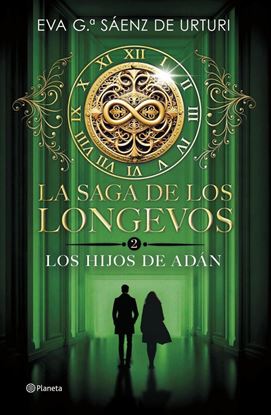
LA SAGA DE LOS LONGEVOS 2. LOS HIJOS DE
La inesperada vuelta del hijo de Iago del Castillo, a quien creyó muerto en la batalla de Kinsale en 1602, alterará la tranquila vida que este y Adriana habían conseguido construir en Santander. Sin embargo, Gunnarr, el corpulento joven de melena rubia y ojos idénticos a los de su padre, ha regresado para ejecutar la venganza que juró llevar a cabo hace quinientos años.
1,550
1,550
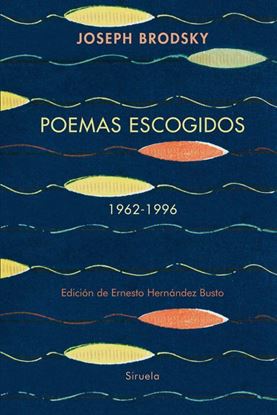
POEMAS ESCOGIDOS 1962-1996
Quien escribe un poema lo escribe, antes que nada, porque el poema es un colosal acelerador de la conciencia, del pensamiento, de la percepción del mundo». Del discurso de Joseph Brodsky al recibir el Premio Nobel de LiteraturaA caballo entre dos lenguas durante décadas, el bilingüismo de Brodsky no solo revitaliza con singular desenvoltura un lenguaje heredado, sino que también proyecta una radical y profunda exploración de sus metros e imágenes, elevada a una forma particular de metafísica. Sin embargo, Brodsky es también un poeta eminentemente físico, cuyo tema fundamental es la encrucijada entre el espacio, el tiempo y los sentidos. Ningún otro escritor contemporáneo habla tanto de la intemperie. Sus musas no son Calíope ni Tersícore, ni sus artísticas hermanas asociadas con emociones y sentidos, sino Urania, musa de la astronomía, «más vieja que Clío», matrona del conocimiento estelar, del espacio puro, de esas extensiones heladas en medio de las cuales el hombre parece el derrubio lodoso que arrastra un glaciar.
1,550

1,550
EL SECRETO DE MARCIAL (NADAL 25)
Un escritor, miembro de la comunidad española en Buenos Aires, intenta descifrar la verdadera personalidad de su padre años después de su muerte. Marcial Fernández, emigrante asturiano, como tantos hombres de su época siempre tuvo dificultades para comunicarse con su hijo, a quien castigó con años de silencio y disgusto al descubrir su pasión literaria. El único vínculo entre ellos fueron las películas del Hollywood clásico que veían por televisión, una educación sentimental llena de sutilezas y malentendidos que Marcial impartía de manera indirecta. A medida que avanza en la reconstrucción de su historia, el narrador halla indicios de que su padre llevó una vida secreta y se obsesiona con descubrirla.
1,550
1,550
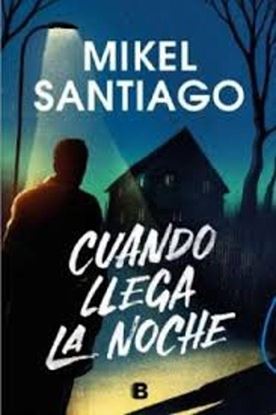
CUANDO LLEGA LA NOCHE. CUATRO RELATOS TE
Cuando llega la noche aparecen la tensión, el miedo y el suspense más oscuro. De eso tratan estas tres novelas cortas, reunidas por primera vez en un libro y que nos hablan de personajes al límite, enfrentados a los peligros y misterios que solo acechan si las sombras salen de sus escondites.
Historia de un crimen perfecto es la confesión en primera persona del asesino Eric Rot. A través de cien páginas redondas —en las que se adivinan ecos de Hitchcock y Poe—, este relato nos habla sobre el peso insoportable de algunos secretos.
En Noche de almas, el lector acompaña a una pareja de mochileros que han medido mal sus fuerzas en una travesía por el desierto. Cuando, al borde de la extenuación, al fin llegan a una antigua casa colonial rodeada por un extraño círculo de piedras, piensan que están a salvo. Sin embargo, será entonces cuando empiece la verdadera pesadilla.
1,550