

1,995
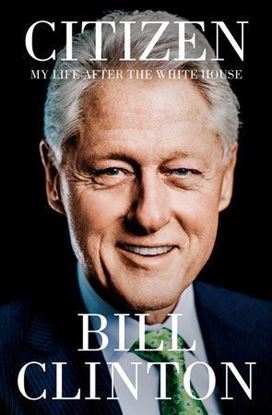
CITIZEN
On January 20, 2001, after nearly thirty years in politics—eight of them as president of the United States—Bill Clinton was suddenly a private citizen. Only fifty-four years old, full of energy and ideas, he wanted to make meaningful use of his skills, his relationships with world leaders, and all he’d learned in a lifetime of politics, but how? Just days after leaving the White House, the call came to aid victims of a devastating earthquake in India, and Clinton hit the ground running. Over the next two decades, he would create an enduring legacy of public service and advocacy work, from Indonesia to Louisiana, Northern Ireland to South Africa, and in the process reimagine philanthropy and redefine the impact a former president could have on the world.
1,995
1,995
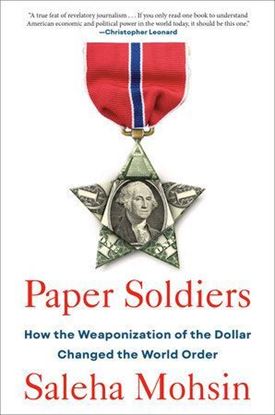
PAPER SOLDIERS
In 1995, Treasury Secretary Robert Rubin re-defined the next thirty years of currency policy with the mantra, “A strong dollar is in America’s interest.” That mantra held, ushering in exceptional prosperity and cheap foreign goods, but the strong dollar policy also played a role in the devastating hollowing out of America’s manufacturing sector. Meanwhile, abroad, the United States increasingly turned to the dollar as a weapon of war. In Paper Soldiers, Saleha Mohsin reveals how the Treasury Department has shaped U.S. policy at home and overseas by wielding the American dollar as a weapon—and what that means in a new age of crisis.
For decades, America has preferred its currency superpower-strong, the basis of a “strong dollar” policy that attracted foreign investors and pleased consumers. Drawing on Mohsin’s unparalleled access to current and former Treasury officials like Robert Rubin, Steven Mnuchin, and Janet Yellen, Paper Soldiers traces that policy’s intended and unintended consequences, including the rise of populist sentiment and trade war with China—culminating in an unprecedented attack on the dollar’s pristine status during the Trump presidency—and connects the dollar’s weaponization from 9/11 to the deployment of crippling financial sanctions against Russia. Ultimately, Mohsin argues that, untethered from many of the economic assumptions of the last generation, the power and influence of the American dollar is now at stake.
With first-hand reporting and fresh analysis that illustrates the vast, often unappreciated power that the Treasury Department wields at home and abroad, Paper Soldiers tells the inside story of how we really got here—and the future not only of the almighty dollar, but the nation’s teetering role as a democratic superpower.
1,995
1,995
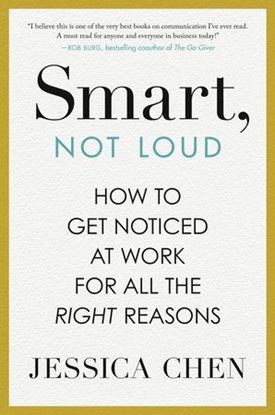
SMART, NOT LOUD
When Jessica Chen entered the workforce, she felt like everything she had been taught growing up in a Quiet Culture household—where deference, humility, harmony, and dogged hard work were praised—failed to set her up for success in the “real world.” Her ingrained values were in direct contrast with what was actually needed to stand out in a Loud Culture workplace. The result? Feeling underappreciated, passed over for opportunities and promotions, and completely stuck.
Building on the lessons she learned as an award-winning TV news journalist, Chen—who now speaks at Fortune 100 companies and whose LinkedIn Learning courses have been watched by over 2 million people—introduces a new way of getting noticed at work, without being loud, aggressive, or boastful. In Smart, Not Loud, Chen teaches readers how they can look within, to the values they already hold, to more effectively show up.
1,995
1,995
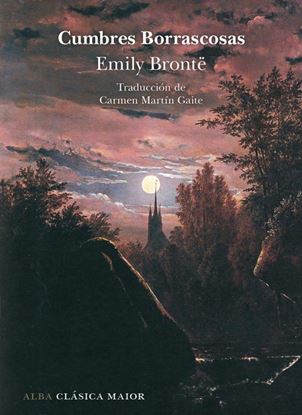
CUMBRES BORRASCOSAS (ALBA) (TD)
Cumbres Borrascosas (1847) se ha convertido en la gran novela romántica por excelencia, o, aún más, en un mito moderno que ha inspirado películas, óperas, secuelas y canciones pop. La única novela de Emily Brontë ?«árida y nudosa como la raíz del brezo», según su hermana Charlotte? bebe sin duda de la fascinación por el género gótico: hay en ella apariciones, noches sin luna, confinamientos desesperados y crueldad sin medida. Pero la tensión y la incertidumbre que imprime a sus atormentados personajes y su tortuosa trama superan toda convención y nos sumergen en una atmósfera de pesadilla que difícilmente volveremos a encontrar en la historia de la literatura.
1,995
1,995
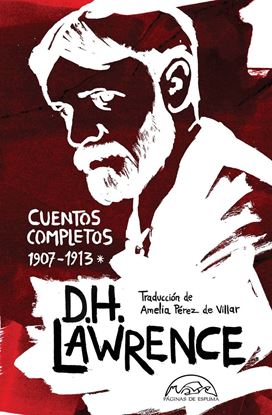
CUENTOS COMPLETOS (1) (1907-1913)
Por obras tan rotundas como El amante de Lady Chatterley o El arco iris, David Herbert Lawrence (1885-1930) no solo pasó a la historia de la literatura, sino que lo hizo como un provocador e incómodo crítico de la sociedad, pero también –y en ocasiones de forma injusta– como un autor erótico, decididamente obsceno al que había que leer a escondidas.
El conjunto de su narrativa breve, sin embargo, viene a demostrar que la literatura de Lawrence podía ser tan compleja y variada como lo fue su autor –poliédrico, dinámico, puro instinto, arrebato y pasión–, y despertar la admiración de autores como Ezra Pound, Ford Maddox Ford, E. M. Foster, Anthony Burgess o Aldous Huxley.
1,995
1,995
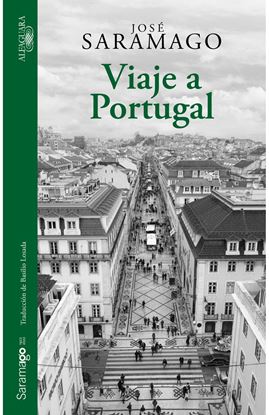
VIAJE A PORTUGAL (ILUSTRADO)
«El fin de un viaje es sólo el inicio de otro. Hay que ver lo que no se ha visto, ver otra vez lo que ya se vio. Hay que volver alos pasos ya dados, para repetirlos y para trazar caminos nuevos a su lado. Hay que comenzar de nuevo el viaje. Siempre.El viajero vuelve al camino».
Entre octubre de 1979 y julio de 1980, José Saramago recorrió Portugal en un itinerario que le llevó de Trás-os-Montes al Algarve y desde Lisboa hasta el Alentejo. Este libro, en el que se entremezcla la crónica con la narración y los recuerdos, es el resultado de ese viaje. Saramago se revela en él como un viajero de gran sensibilidad, siempre atento a lo que ven sus ojos, a descifrar la realidad del país y entender también con ello su pasado.
Esta edición especial de Viaje a Portugal, publicada con ocasión del centenario del nacimiento del Nobel portugués, incluye, por primera vez, todas las fotografías que Saramago realizó durante su viaje —casi todas inéditas— junto con otras del fotógrafo Duarte Belo.
1,995