

2,500
2,000
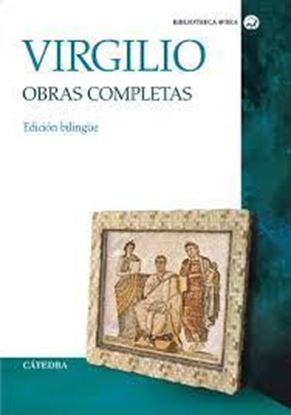
OBRAS COMPLETAS (VIRGILIO)
Poeta magnus omniumque praeclarissimus, define Agustín de Hipona a Virgilio en su Ciudad de Dios (1,3). Y, aunque diga Suetonio que «detractores nunca le faltaron», lo cierto es que Virgilio ha logrado en la historia el raro privilegio de complacer a tirios y troyanos. No así Horacio, a quien Papini le propinaba los epítetos de «rechoncho y plagiario», mientras honraba al «celta Virgilio» con los atributos de «amoroso» y «tierno», y embellecía su corona de laurel con una bucólica descripción en que evocaba «al hombre del campo, al amigo de las sombras, de los plácidos bueyes, de las abejas doradas, al que había descendido con Eneas a contemplar a los condenados del Averno y desahogaba su inquieta melancolía con la música de la palabra?»La música de la palabra. En cierto endecasí-labo recuerda Borges «la voz de plata y luna de Virgilio», que coloca al lado de la antigua de Homero. Tal vez sea verdad que Roma no hubiera sido Roma sin Virgilio, como afirmaba un Andrés Bello en la indecisa frontera entre la reali-dad y la ficción. Y es que, en efecto, todos los imperios han caído menos el de sus hexámetros.¿Conoció Borges la traducción de Espinosa Pólit? Quizá la pregunta sea ociosa y su formulación correcta sería: ¿Pudo no conocerla Borges? Hay un célebre fragmento de hexámetro, aquel que dice: tacitae per amica silentia lunae (II 255),que tácitamente Borges rememora en el último poema de La cifra:La amistad silenciosa de la luna,cito mal a Virgilio?¿Conoció Borges la traducción de Pólit, que recrea la música de la palabra? En todo caso ese mismo verso había sido traducido por Espinosa del siguiente modo:El silencio amistoso de la luna?Solo que él prefirió no añadir: traduzco bien a Virgilio. Entre sus inclinaciones lectoras citaba Montaigne a Virgilio, y en particular sus Geórgicas, que consideraba «la obra más lograda de la poesía». A su lado, el libro quinto de la Eneida le parecía el más perfecto» (II 10).
2,500
2,000
2,500
2,000
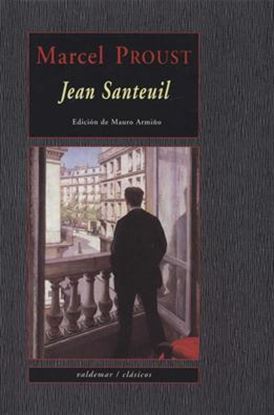
JEAN SANTEUIL
En 1952, el escritor francés André Maurois encontró una caja llena de hojas manuscritas en un guardamuebles de la familia de Marcel Proust. Estudiado el contenido y encontradas referencias epistolares al mismo, Maurois concluye que se trata de una novela de Proust iniciada en 1896 y enriquecida a lo largo de siete años por el escritor con sucesivos textos de índole autobiográfica: el encuentro con el poeta y crítico John Ruskin, su duelo con el escritor bohemio Jean Lorrain, su posición ante el «caso Dreyfus», etc.
En el prefacio Proust nos presenta a los dos principales personajes de la novela, Jean Santeuil y Henri de Réveillon, que son convocados por un escritor llamado C. a su lecho de muerte para ofrecerles su última novela, que Santeuil se encargará de publicar. Ese juego de la novela dentro de la novela no tarda en disolverse dando paso a la voz del protagonista, Jean Santeuil, cuyo nombre sirvió al primer editor de la novela para darle título, pues carecía de él. La génesis de Jean Santeuil es la «memoria» de los años de infancia, adolescencia y formación del protagonista, que empieza recordándose niño en los Champs-Elysées enamorado de una compañera de juegos, Marie Kossichef, para alternar luego ese recuerdo con descripciones contemporáneas: Santeuil está pasando una temporada en el castillo de Madeleine Lemaire.
Anjean Santeuilel lector podrá encontrar el origen de infinidad de anécdotas, obsesiones, reflexiones, paisaje y mundo amoroso desarrollado posteriormente en A la busca del tiempo perdido.
2,500
2,000
2,500
2,000
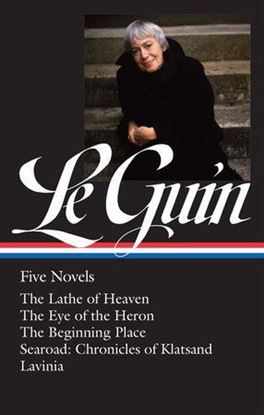
LE GUIN: FIVE NOVELS (LOA #379)
This 7th volume in the definitive Library of America edition of Ursula K. Le Guin’s works presents 5 remarkable standalone novels that showcase her boundless creativity and literary range.
In the Locus Award–winning The Lathe of Heaven (1971), one of Le Guin’s most admired works of science fiction, George Orr begins have effective dreams: dreams that change reality itself. But when he turns to the sleep researcher William Haber for help, the doctor sees an opportunity to use Orr’s strange gift for his own ends.
A former Terran prison colony on the planet Victoria seems destined for revolution in The Eye of the Heron (1978), when the authoritarian leaders in the City try to assert control over the peaceful farmers who have been sent to live around them.
The Beginning Place (1980) is a parable-like story in which Hugh and Irena have both found their way to the Beginning Place, a gateway to another world. The two initially become enemies, but must learn to work together when the utopia they’ve found turns out to have a shadow.
The long out-of-print Searoad: Chronicles of Klatsand (1991) is a Winesburg, Ohio-like series of linked stories set in a small vacation town on the Oregon coast, where some of the characters have come for a weekend and some for longer, but all are pilgrims in the grip of inexpressible longings.
2,500
2,000

2,500
2,000
TOM S CROSSING
While folks still like to focus on the crimes that shocked the small city of Orvop, Utah, back in the fall of 1982, not to mention the trials that followed, far more remember the adventure that took place beyond municipal lines.
For sure no one expected the dead to rise, but they did. No one expected the mountain to fall either, but it did. No one expected an act of courage so great, and likewise so appalling, that it still staggers the heart and mind of anyone who knows anything about the Katanogos massif, to say nothing of Pillars Meadow.
As one Orvop high school teacher described that extraordinary feat just days before she died, Fer sure no one expected Kalin March to look Old Porch in the eye and tell him: You get what you deserve when you ride with cowards.
2,500
2,000

2,500
2,000
TRILOGIA FUNDACION (EDICION ILUSTRADA)
Isaac Asimov empezó a escribir la saga de la Fundación a los veintiún años, sin saber que un día esta obra se convertiría en la piedra angular de la ciencia ficción del siglo XX, ni que con ella cautivaría a lectores de todas las edades durante más de siete décadas.
¿Por qué surgen y caen los imperios? La Trilogía Fundación es una historia con múltiples capas cuya lectura sigue siendo tan apasionante hoy como cuando se publicó por vez primera en la década de 1950. Incorporando infinitos elementos de la política contemporánea, la historia antigua y las matemáticas, la obra maestra de Asimov explora el declive del Imperio Galáctico, una civilización que gobernó sobre casi veinticinco millones de planetas habitados.
Esta edición única de la Trilogía Fundación, ilustrada y en un solo volumen, es el mejor homenaje a la mayor saga de la ciencia ficción universal.
2,500
2,000

2,500
2,000
ESTUCHE NESBO. DETECTIVE HOLE (BOL)
En Petirrojo, Hole se enfrenta al ambiguo legado histórico de Noruega durante la Segunda Guerra Mundial, asesinatos actuales ligados a neonazis, y un misterioso personaje conocido como «El Príncipe». Entre Oslo contemporáneo y las trincheras de Leningrado, secretos del pasado emergen para golpear el presente, mientras Harry lucha contra sus propios demonios, el alcohol y el error que lo marcó.
En Némesis, el suspense da un giro más íntimo y perturbador: tras una llamada desesperada, Harry amanece con una resaca de la que no recuerda nada… y descubre que una antigua novia aparece muerta. Con la investigadora Beate Lønn a su lado, deberá resolver un crimen lleno de pistas falsas, culpabilidad, engaños y traiciones dentro y fuera del cuerpo policial.
La estrella del diablo lo lleva al borde: una ola de calor abrasador en Oslo, cadáveres con rituales macabros, un dedo amputado, diamantes rojos con forma de estrella, y la tensión entre Harry Hole y su enemigo íntimo, Tom Waaler. En medio de su caída personal, alienado y al borde de perderlo todo, Hole debe desenredar un asesino en serie cuyo rito funesto podría estar conectado a sus peores fantasmas y al crimen impune.
2,500
2,000