

750
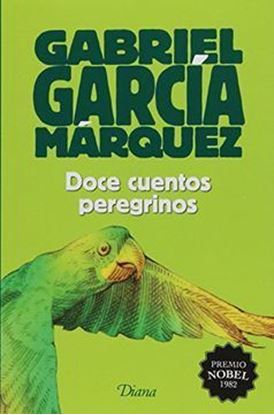
DOCE CUENTOS PEREGRINOS (BOL)
Irreales, inquietantes, tocados con el hálito de lo fatal, estos doce relatos son un viaje por diversas ciudades de un mundo que se ve trastocado por la nostalgia, el desarraigo del exiliado o la simple presencia de lo insólito. Un presidente que planea el regreso al país que lo derrocó, un castillo cuyo dueño se niega a abandonarlo a pesar de no encontrarse ya entre los vivos, una intérprete de sueños, una prostituta que se prepara para morir sin saber que la vida todavía le tiene sorpresas, entre otros personajes únicos, desfilan en estas páginas inolvidables.
750

750
LA DUEÑA (BOL)
Año 1069 de Nuestro Señor. Cristianos y musulmanes libran una lucha sin cuartel en Hispania, divididos a su vez en reinos y taifas arrasados por disputas intestinas. En ese mundo despiadado, Auriola relata a su nieto Diego la gesta de su abuelo Ramiro, caballero de frontera caído en combate al servicio de su rey, mientras defiende sola la tierra que su esposo ganó con la espada. Abuela y nieto deberán sobrevivir a las guerras fratricidas entre Navarra, León y Castilla, salvar el legado familiar y plantar cara a la brutal acometida de los almorávides.
750
750
EL LIBRO DE LA SELVA(EDIMAT)(G.N.A) (TD)
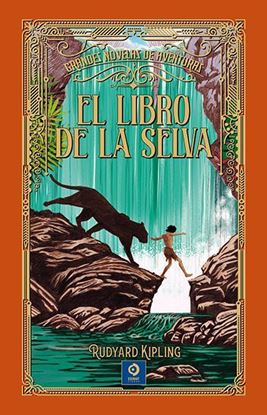
El libro de la selva es, a grandes rasgos, la historia de Mowgli, un «cachorro humano» acogido por los lobos y criado por una loba (como en la fábula), que lo defenderá desde el principio y hasta el final, en pleno corazón de la selva. Una selva la de El libro de la selva inspirada o basada en un lugar real: el Parque Natural de Kanha, creado en el año 1955, ampliado en 1962 y 1970 y ubicado en el estado de Madhya Pradesh, en la India septentrional.
750
750
CIELO BAJO (BOL)
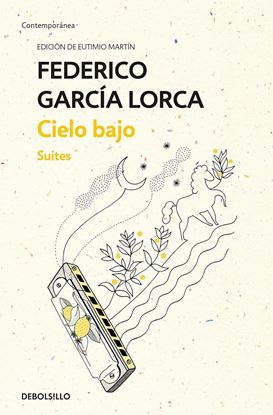
En lenguaje musical se entiende por «suite» una composición integrada por movimientos variados que, no obstante, encuentran su apoyo en la misma tonalidad. Las suites de Federico García Lorca parten de la misma idea, aplicada esta vez a la lírica: establecer series de poemas formalmente heterogéneos que giren alrededor de un tema común. Sin embargo, su temprana muerte truncó el que había de ser un ambicioso proyecto en el que se recogían obras inéditas o ya publicadas, escritas todas ellas entre 1920 y 1923, bajo el signo de una nueva armonía.
750
750
LIBRO DE POEMAS/PRIMERAS CANCIONES 1
La figura de Federico García Lorca abarca, tanto en España como en el exterior, mucho más que su literatura. Su poesía, traducida a infinidad de lenguas, recorre paisajes, hurga en tradiciones y denuncia injusticias con la maestría de quien ha sabido utilizar la pluma como pocos, y sus libros continúan leyéndose sin atender al paso del tiempo ni a las arbitrariedades de la moda.
750
750
POETA EN NUEVA YORK/SONETOS (POESIA 3)
En este libro, amén del impresionante poemario Poeta en Nueva York, se presentan las obras Tierra y luna, los Poemas sueltos II y III, Poemas en prosa, Diván de Tamarit, Sonetos, Seis poemas galegos y el Llanto por Ignacio Sánchez Mejías. Asimismo, se ofrecen las conferencias de Un poeta en Nueva York, Cómo canta una ciudad de noviembre a noviembre y el Ensayo o poema sobre el toro en España.
La edición y los prólogos a cargo de Miguel García-Posada, permiten al lector acercarse a la complejidad de su obra y disfrutar, a lo largo de los siete volúmenes que componen esta Biblioteca Federico García Lorca, de uno de los autores españoles más relevantes del siglo XX.
750