


750
CUERPOS (AVE FENIX 1) (BOL)
Ruth está en caída libre. Acaba de descubrir que la vida, un día cualquiera, puede golpearte tan fuerte que todos los problemas anteriores te resulten insignificantes.
Será entonces cuando Ruth se refugie en un juego muy especial, cuyas normas solo puede marcar ella misma. Es un juego antiguo y peligroso, que casi todos hemos probado o deseado probar alguna vez. El juego de dejar de ser ella y convertirse en otra por las noches.
Electra lleva una peluca roja y sabe atraer todas las miradas. Sus noches se miden por orgasmos y la invitan a las fiestas más salvajes. Electra no tiene miedo de nada, mientras que Ruth vive muy asustada; por eso le cuesta tanto volver a ser ella al quitarse la peluca. Cuanto más profundo es el dolor, mayor es el engaño. ¿O es al revés?
750

750
PLEAMAR (BOL)
Las hermanas Müller cuentan cada jueves su vida a millones de seguidores en el canal de YouTube Pleamar, pero en el vídeo de esta semana aparecen amordazadas y maniatadas, en un lugar oscuro, y llorando desesperadamente.
Las visualizaciones crecen por horas sin que nadie sepa si va en serio o es una broma macabra. Los padres denuncian la desaparición y el caso es asignado a una extraña pareja de investigadores: Darío Mur, divorciado y enamorado de la literatura clásica, y Nieves González, adicta a las citas online y víctima de acoso en la comisaría.
Cuando la muerte de Martina Müller es retransmitida en directo, Darío se enfrentará al mundo de los influencers, al que su propia hija es adicta y que la ha convertido en una chica violenta y conflictiva.
750

750
DESASTRES INTIMOS (2022)
Hoy, cuando los medios de comunicación han convertido la historia individual y colectiva en espectáculo, la literatura es el espacio privilegiado de la subjetividad.
Este libro se asoma al fascinante mundo interior de unos personajes atrapados en sus particulares delirios: un Club de Fetichistas que intercambian sus manías sexuales, un hombre enamorado de una mujer-ballena, un marido a quien su mujer ha abandonado por otra, o una bella y eficiente secretaria-modelo-mamá asfixiada por la familia nuclear. Como niños locos encerrados en un gabinete lleno de figuras, que son símbolos, que son pulsiones.
«Cada vez que me sumerjo en el interior de estos personajes, encuentro algo de mí misma», declaró Cristina Peri Rossi. A los lectores y lectoras de Desastres íntimos les ocurrirá otro tanto, sea cual sea su identidad u opción sexual.
750

750
TU Y YO, INVENCIBLES (BOL)
Por la autora de Nosotros en la luna.
Lucas es familiar, impulsivo y transparente.
Juliette es fuerte, introspectiva y liberal.
Él vive en Vallecas, trabaja en un taller de coches junto a su mejor amigo y por las tardes tocan en un grupo de música que marcará el curso de sus vidas para siempre.
Ella ha crecido con su abuela en un barrio acomodado, pero sueña con ser independiente, volar alto y dejar huella en el corazón de alguien.
Una noche de 1978, en pleno estallido de la movida madrileña, sus caminos se cruzan. Entonces surge la atracción, el deseo, el amor. Un amor radiactivo que lo arrolla todo a su paso mientras los dos se vuelven inseparables en un ambiente desenfrenado lleno de cambios, atrapados entre el éxito y el fracaso, la luz y la oscuridad, el perdón y el orgullo.
Pero Lucas es imperfecto.
Y Juliette guarda secretos.
¿Es eterna la pasión? ¿Se pueden olvidar la mentira y la traición sin que queden esquirlas? ¿Qué ocurre cuando dos meteoritos que prometieron ser invencibles colisionan?
750
750
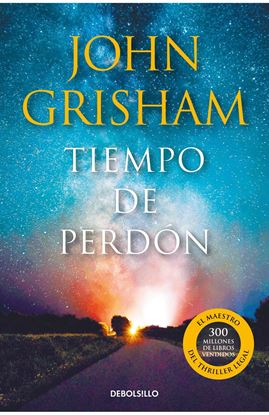
TIEMPO DE PERDON (FG) (BOL)
Clanton, Mississippi, 1990. Stuart Kofer, ayudante del sheriff, se considera intocable. Aunque, cuando bebe más de la cuenta, algo bastante habitual, vuelca sus ataques de ira en su novia, Josie, y los hijos adolescentes de esta, elcódigo de silencio de la policía siempre le ha protegido.
Pero, una noche, tras golpear a Josie hasta dejarla inconsciente en el suelo, su hijo Drew sabe que solo tiene una opción para salvar a su familia. Cogeuna pistola y decide tomarse la justicia por su mano.
En Clanton, no hay nada que suscite más odio que un asesino de policías… excepto, quizá, su abogado. Jake Brigance no quiere encargarse de este caso imposible, pero esel único con suficiente experiencia para defender al chico.
Y cuando comienza el juicio, parece que solo hay un resultado en el horizonte para Drew: la cámara de gas. Pero, como la ciudad de Clanton descubre una vez más, cuando Jake Brigance se hace cargo de un caso imposible… todo es posible.
750

750
TAL VEZ MAÑANA (1) (BOL)
A los veintidós años, Sydney lo tiene todo: el novio perfecto, un futuro brillante y un bonito apartamento que comparte con su mejor amiga. Pero todo cambia el día en que Ridge, su misterioso y atractivo vecino músico, le advierte de que su novio la engaña con su mejor amiga y Sydney debe decidir qué hacer con su vida. Sólo con lo puesto y sin recursos, Ridge la acoge en su casa y no deja de sorprenderla. Sydney vibra cuando él toca sus hermosas melodías y, aunque el corazón de Ridge está ocupado, él no puede ignorar que ha encontrado a su musa. Cuando finalmente se den cuenta de que se necesitan, entenderán que los sentimientos no pueden traicionar al corazón.
750