1,500
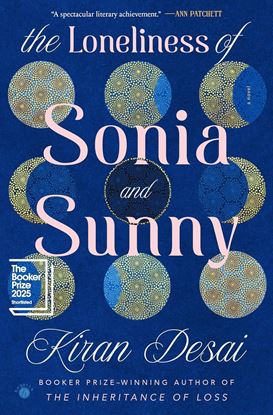
THE LONELINESS OF SONIA AND SUNNY
When Sonia and Sunny first glimpse each other on an overnight train, they are immediately captivated yet also embarrassed by the fact that their grandparents had once tried to matchmake them, a clumsy meddling that served only to drive Sonia and Sunny apart.
Sonia, an aspiring novelist who recently completed her studies in the snowy mountains of Vermont, has returned to her family in India. She fears that she is haunted by a dark spell cast by an artist to whom she had once turned for intimacy and inspiration. Sunny, a struggling journalist resettled in New York City, is attempting to flee his imperious mother and the violence of his warring clan. Uncertain of their future, Sonia and Sunny embark on a search for happiness together as they confront the many alienations of our modern world.
1,500
1,500
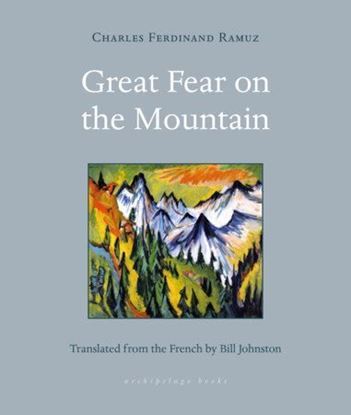
GREAT FEAR ON THE MOUNTAIN
Teeming with tension, this immersive, rhapsodic story transports readers to the Swiss mountainside, bringing to mind the writing of Thomas Mann while offering character studies as vivid and bracing as Eudora Welty’s.
Feed is running low in a rural village in Switzerland. The town council meets to decide whether or not to ascend a chimerical mountain in order to access the open pastures that have enough grass to “feed seventy animals all summer long.” The elders of the town protest, warning of the dangers and the dreadful lore that enfolds the mountain passageways like thick fog.
They’ve seen it all before, reckoning with the loss of animals and men who have tried to reach the pastures nearly twenty years ago. The younger men don’t listen, making plans to set off on their journey despite all warnings. Strange things happen. Spirits wrestle with headstrong young men. As the terror of life on the mountain builds, Ramuz’s writing captures the rural dialog and mindsets of the men.
One of the most talented translators working today, Bill Johnston captures the careful and sublime twists and turns of the original in his breathtaking translation.
1,500
1,500
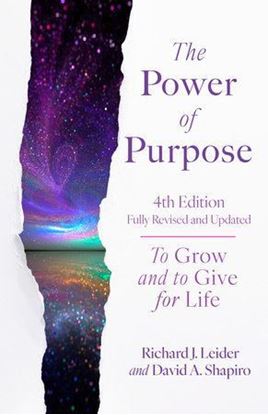
THE POWER OF PURPOSE, 4TH EDITION
Purpose is an active expression of our values and our compassion for others—it makes us want to get up in the morning and add value to the world. The Power of Purpose details a graceful, practical, and ultimately spiritual process for making it central to your life. This revitalized guide will help you integrate it into everything you do.
This fourth edition has been completely revised and updated. With a new co-author, new stories and examples and resources, it taps into the broader need for purpose in our post-pandemic world. With more than 40% new content, readers will discover new insights on purpose, a new chapter on Becoming a Purposeful Leader, and The Purpose Formula which includes mind-opening questions to help you unlock your purpose and to live a life of meaning and fulfillment.
1,500

1,500
WHAT TIME THE SEXTON'S SPADE DOTH RUST
Flavia de Luce has taken on the mentorship of her odious moon-faced cousin Undine, who has come to live at Buckshaw following the death of her mother. Undine’s main talent, aside from cultivating disgusting habits, seems to be raising Flavia’s hackles, although in her best moments she shows potential for trespassing, trickery, and other assorted mayhem.
When Major Greyleigh, a local recluse and former hangman, is found dead after a breakfast of poisonous mushrooms, suspicion falls on the de Luce family’s longtime cook, Mrs. Mullet. After all, wasn’t it she who’d picked the mushrooms, cooked the omelet, and served it to Greyleigh moments before his death? “I have to admit,” says Flavia, an expert in the chemical nature of poisons, “that I’d been praying to God for a jolly good old-fashioned mushroom poisoning. Not that I wanted anyone to die, but why give a girl a gift such as mine without giving her the opportunity to use it?”
1,500
1,500
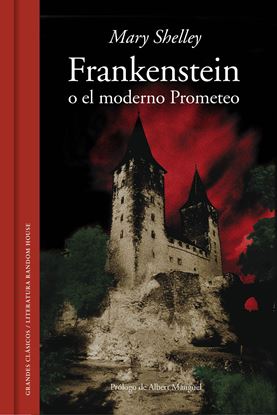
FRANKENSTEIN O EL MODERNO PROMETEO (TD)
En el verano de 1816, el poeta Percy B. Shelley y su esposa Mary se reunieron con Lord Byron y su médico en una villa a orillas del lago Leman. A instancias de Lord Byron y para animar una velada tormentosa, decidieron que cada uno inventaría una historia de fantasmas. La más callada y reservada, Mary Shelley, dio vida así a quien sería su personaje más famoso: el doctor Frankenstein. Al cabo de un año completaría la novela. La historia es de todos conocida: un científico decide crear una criatura con vida propia a la que luego rechaza. Metáfora sobre la vida, la libertad y el amor, Frankenstein o el moderno Prometeo es una maravillosa fábula con todos los ingredientes de los grandes mitos, un gran clásico que ahora recuperamos con una nueva traducción y precedido de un espléndido estudio de Alberto Manguel sobre la influencia del mito en el imaginario del cine.
1,500
1,500
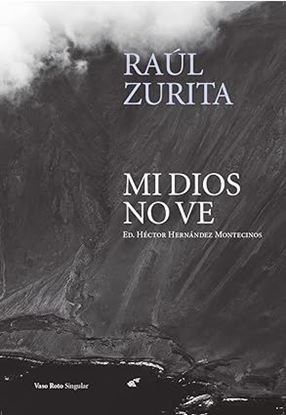
MI DIOS NO VE
En 1969 Raúl Zurita empieza a escribir El sermón de la montaña, su primer poema. Deja ya patentes buena parte de sus inquietudes creativas: la reflexión sobre lo transitorio y lo efímero, la experiencia del yo y especialmente la búsqueda, a través de la poesía, de mantras contra el dolor. Todas ellas se desarrollan en Mi Dios no ve, un itinerario documental por las más de cinco décadas que el chileno ha consagrado a la escritura. Mi Dios no ve incluye poemas, relatos autobiográficos, fragmentos de entrevistas, traducciones. Y también imágenes de sus intervenciones de land art, de acciones performativas sobre su propio cuerpo y de otras incursiones en el arte contemporáneo. El libro reclama, así, el reconocimiento de Zurita no sólo como gran poeta, sino como artista total.
1,500