

1,500
SACAR A UNA VIRGEN A BAILAR
'Hay que entender que siempre hemos concebido el significado de las imágenes como algo quieto, fijo y clavado en la pared. Con Perejaume, y sobre todo con los transportes que ha llevado a cabo, nos hallamos ante un intento de liberar estos significados para ponerlos en un sistema de circulación, arrastrándolos por una orografía muy particular. Esto les obliga a tener accidentes, encuentros y encontronazos que ejercen una violencia productiva sobre el sentido que se les había adjudicado. Dicho de manera muy sintética, esto es lo que algunos han llamado el paso de un significado objetivo a uno trayectivo. No podemos olvidar que este tipo de transportes constituyen para Perejaume una modalidad de escritura. Él es el representante de lo que podríamos llamar una escritura total. Una escritura que se despliega caminando, dibujando o hablando, y que se hace viviendo. Es una escritura que exige salir de los espacios que a menudo protegen a las imágenes. Una vez a la intemperie quedarán expuestas a los embates de lo imprevisible.'
1,500
1,500
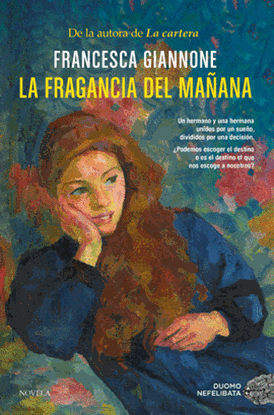
LA FRAGANCIA DEL MAÑANA
La historia de ese instante que puede cambiar la vida entera
Salento, 1959. Lorenzo y Agnese lo han perdido todo. Y lo comprenden cuando su padre, con esos ojos tristes que lo han acompañado toda su vida, anuncia que ha vendido la fábrica de jabones de la familia, una herencia que él siempre ha vivido como una condena. Para Lorenzo y Agnese, en cambio, esa fábrica que su abuelo creó desde la nada, que huele a talco, a flores y a aceites vegetales, era la seguridad de un presente tranquilo y la promesa de un futuro por construir juntos, unidos. Por eso, la idea de quedarse allí como simples obreros bajo un nuevo y arrogante dueño es devastadora. Lorenzo, orgulloso e impulsivo, se marcha dando un portazo con el corazón lleno de rabia y un único objetivo: conseguir el dinero necesario para recuperar lo que es suyo. Pero Agnese no lo sigue: tan decidida cuando se trata de formular jabones como insegura al enfrentarse al mundo exterior, declara: «Me quedo donde está mi hogar». Se abre así una grieta profunda, aparentemente irreparable, entre el hermano y la hermana, que los empujará por caminos opuestos e impredecibles. Porque Lorenzo y Agnese desean lo mismo, al menos hasta que el amor los sitúe de nuevo en una encrucijada. Cada uno tomará una decisión y trazará un mañana distinto... ¿Será para ambos un mañana sin remordimientos?
1,500

1,500
EL MISTERIO DE LA LAVANDERIA DE YEONNAM.
En el corazón de Yeonnam-dong, un vibrante barrio de Seúl, entre cafés vanguardistas y tiendas exclusivas, una pequeña lavandería ofrece algo que no tiene precio: entre luces cálidas, libros y el reconfortante aroma a café y ropa recién lavada, los vecinos encuentran un rincón de calma en medio del bullicio, un refugio en el centro de la ciudad a cualquier hora del día.
Una mañana, un cliente olvida allí un cuaderno y sus páginas empiezan a llenarse de confesiones, miedos y sueños anónimos. Desconocidos que antes solo se cruzaban en silencio comienzan a entrelazar sus vidas a través de las palabras, compartiendo apoyo y consuelo. Pero un día, el diario revela un relato más oscuro. Ahora, los habituales de la lavandería deberán desentrañar el misterio para proteger la armonía de la comunidad que, sin darse cuenta, han construido juntos.
1,500

1,500
NUESTROS DIAS SERAN INFINITOS
Es el verano de 1976. Peggy Hillcoat tiene ocho años y pasa los días con su padre, James, un hombre obsesionado con la supervivencia que ha convertido el sótano de su casa en un refugio nuclear. Una noche, sin previo aviso, James secuestra a su hija y se la lleva a una cabaña en medio de un bosque inmenso. Alejados de toda señal de vida humana, James convence a Peggy de que el mundo entero ha sido destruido. Juntos aprenden a subsistir: construyen trampas para cazar, se lavan en el río, almacenan alimentos. Los inviernos son largos y crueles; los veranos, fugaces. En su aislamiento, incluso fabrican un piano de madera que no produce sonido alguno. Durante años, Peggy vive en esa cabaña con su padre, sin cuestionar su realidad. Hasta que, un día, encuentra unas botas. El descubrimiento la empujará a una búsqueda desesperada que revelará los secretos de su encierro y la verdad sobre la última noche que pasó con James. ¿Qué ocurrió realmente en aquel bosque? ¿Cómo logró escapar? Y, sobre todo, ¿por qué ha vuelto sin él?
1,500

1,500
EL LUGAR DE LA HERIDA
«Su escritura inventa el tacto de la palabra».
Mónica Ojeda
«Laura consigue lo que desea todo escritor, mover de sitio al lector, hacerlo voltear hacia donde nunca imaginó».
Guillermo Arriaga
¿Qué pasa cuando someter a otras personas es la única forma de sobrevivir? ¿La desobediencia es posible siempre? ¿Qué redes de complicidad teje el silencio? ¿Cómo distinguir entre víctima y victimario? Aquí hay dos narradoras potentes y perspicaces: Lucero y Dolores. La primera es una adolescente de juicios agudos y la apremiante necesidad de recibir aceptación. La segunda es la madre de Nancy, compañera de secundaria de Lucero, que atraviesa la agonía de buscar a su hija desaparecida. Ambas voces enhebran una historia compleja sobre un grupo de niñas casi adultas cautivo en una casona en los márgenes de la ciudad.
Laura Baeza traza una novela entrañable y brutal que añade nuevas notas a las discusiones sobre la violencia, el deseo, la amistad, la ternura y la libertad humana. Con su oído privilegiado y una prosa accesible sin llegar a dócil, la autora nos lleva desde las primeras líneas a un viaje por las contradicciones de la adolescencia. El lugar de la herida es un territorio que sangra y cicatriza al mismo tiempo, símbolo de un país que reproduce y resiste la violencia feminicida en pleno siglo XXI.
1,500
1,500
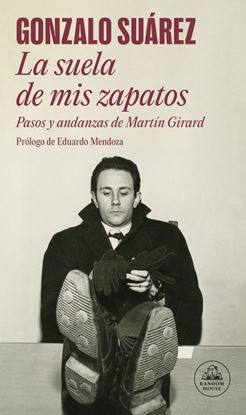
LA SUELA DE MIS ZAPATOS
La breve existencia -apenas ocho años- de Martín Girard, pseudónimo del Gonzalo Suárez periodista, no impidió que dejara una profunda huella. Este volumen reúne la producción de un cronista adelantado a su tiempo en La Vanguardia, en el semanario Dicen, en La Gaceta Ilustrada y, sobre todo, en El Noticiero Universal.
Armado de una lucidez insobornable, un estilo inconfundible y una mirada inquieta, fue capaz de retratar una Barcelona y una España en plena transformación. Entrevistas con Dalí, Di Stéfano, Buñuel, Pelé, Kubala, Cela, Miguel Mihura, Buero Vallejo o Luis Suárez, piezas sobre Fernando Fernán Gómez, Charles Aznavour, Manuel Viola, Juan Antonio Bardem, José Bergamín, Paco Rabal y otros tantos personajes anónimos componen un retrato fascinante de la sociedad española del momento.
Renovador de la novela española y audaz director de cine, este volumen confirma también la categoría de Suárez como precursor del llamado Nuevo Periodismo.
1,500