

1,450
1,160
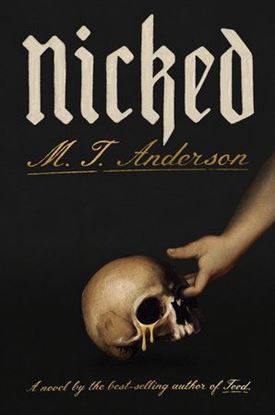
NICKED
The year is 1087, and a pox is sweeping through the Italian city of Bari. When a lowly monk is visited by Saint Nicholas in his dreams, he interprets the vision as a call to serve the sick. But his superiors, and the power brokers they serve, have different plans for the tender-hearted Brother Nicephorus.
Enter Tyun, a charismatic treasure hunter renowned for “liberating” holy relics from their tombs. The seven-hundred-year-old bones of Saint Nicholas are rumored to weep a mysterious liquid that can heal the sick, Tyun says. For the humble price of a small fortune, he will steal the bones and deliver them to Bari, curing the plague and restoring glory to the fallen city. And Nicephorus, the “dreamer,” will be his guide.
What follows is a heist for the ages, as Nicephorus is swept away on strange tides, and alongside even stranger bedfellows, to commit sacrilegious theft. Based on real historical accounts, Nicked is a swashbuckling saga, a medieval novel noir, a meditation on the miraculous, and a monastic meet-cute, filled with wide-eyed wonder at the world that awaits beyond our own borders.
1,450
1,160
1,450
1,160
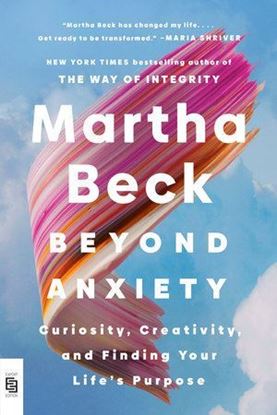
BEYOND ANXIETY
AN OPEN FIELD PUBLICATION FROM MARIA SHRIVER
Most of us assume that the key to overcoming anxiety is to think our way out of it. And for a while, it works. Meditation and mental exercises offer us relief, but there is always something—a work deadline, a family emergency, a particularly distressing newsbreak—that disrupts our sense of peace and sends us right back inside the same anxious spiral we’ve been trying to climb out of.
Is there a way to reduce our anxiety, not just in the moment, but in every moment after that?
After a lifetime of struggling with anxiety, Martha Beck studied just about everything there was to know about how to calm down. What she realized is that the analytical part of our brain—so valued in Western culture—is the same structure responsible for amping up anxiety. In other words, we cannot logic our way to relief. In Beyond Anxiety, she reveals that to find calm, we must activate an entirely different part of our brain, one responsible for curiosity, wonder, and, most of all, creativity.
1,450
1,160
1,450
1,160
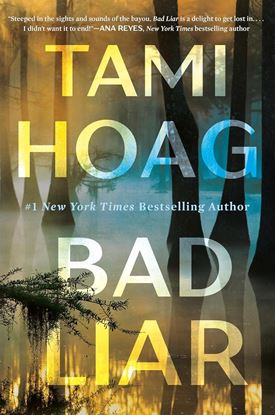
BAD LIAR
A murder victim dumped at the dead end of a lonely country road, face and hands obliterated by a shotgun blast, is not the way sheriff’s detective Nick Fourcade wants to start his week. His only lead takes him to the family of a hometown hero suddenly gone missing. Marc Mercier left his home for a weekend hunting trip and hasn’t been seen since.
Meanwhile, sheriff’s detective Annie Broussard begins her first day back on the job after suffering a brutal attack by taking on the case of B’Lynn Fontenot, a mother desperate to find her grown son, a recovering drug addict. Robbie Fontenot has been missing for eight days, but the local police have no interest in the case, telling B’Lynn that an adult has the right to disappear, and a missing addict is no big surprise. But B’Lynn swears her son was turning his life around. Sympathetic to a mother’s anguish, Annie agrees to help B’Lynn, knowing she’s about to start a turf war with the city police.
1,450
1,160
1,450
1,160
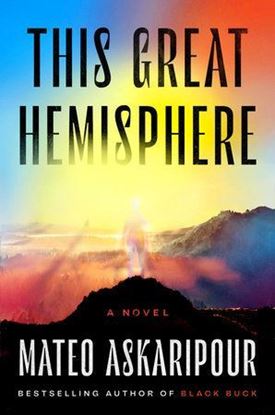
THIS GREAT HEMISPHERE
This Great Hemisphere is powerful, captivating novel about how far we’ll go to protect the ones we love. With the worldbuilding of N. K. Jemisin’s novels and blazing defiance of Naomi Alderman’s work, it is also a story about what happens when we resist the narratives others write about us.
Northwestern Hemisphere, 2529: an Earth on which half of people are now born literally invisible. Sweetmint, a young woman, is one of them and thus relegated to second-class citizenship. She has done everything right her entire life, from school to landing a highly sought-after apprenticeship. But all she has fought so hard to earn comes crashing down when she learns that her brother (whom she had presumed dead) is not only alive and well but also the primary suspect in a high-profile political murder.
1,450
1,160
1,450
1,160
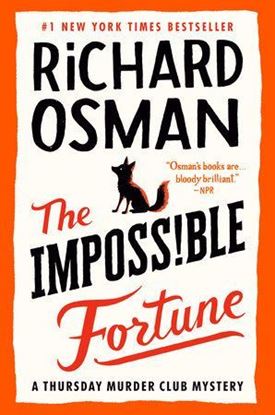
THE IMPOSSIBLE FORTUNE
Who’s got time to think about murder when there’s a wedding to plan?
It’s been a quiet year for the Thursday Murder Club. Joyce is busy with table plans and first dances. Elizabeth is grieving. Ron is dealing with family troubles, and Ibrahim is still providing therapy to his favorite criminal.
But when Elizabeth meets Nick, a wedding guest asking for her help, she finds the thrill of the chase is ignited once again. And when Nick disappears without a trace, his cagey business partner becomes the gang’s next stop. It seems the duo have something valuable—something worth killing for.
Joyce’s daughter, Joanna, jumps into the fray to help the gang as they seek answers: Has someone kidnapped Nick? And what’s this uncrackable code they keep hearing about? Plunged back into action once more, can the four friends solve the puzzle and a murder in time?
1,450
1,160
1,450
1,160
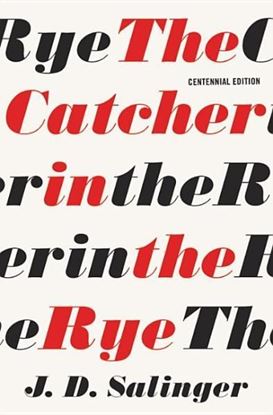
THE CATCHER IN THE RYE
"If you really want to hear about it, the first thing you'll probably want to know is where I was born, and what my lousy childhood was like, and how my parents were occupied and all before they had me, and all that David Copperfield kind of crap, but I don't feel like going into it, if you want to know the truth."
The hero-narrator of The Catcher in the Rye is an ancient child of sixteen, a native New Yorker named Holden Caufield. Through circumstances that tend to preclude adult, secondhand description, he leaves his prep school in Pennsylvania and goes underground in New York City for three days.
1,450
1,160