
1,450
EL INCIDENTE
Un retrato implacable de la sociedad del malestar que arroja luz sobre la precariedad emocional y el desamparo de quienes más sufren las deficiencias del sistema sanitario», Daniel Remón.
Nadie tiene la culpa. Estas cosas pasan. Solo fue un «incidente». Esa es la palabra que más se repite a la hora de hablar del enfrentamiento entre Ricardo Montesinos, jefe de la planta de psiquiatría del hospital, y Manuel Alejandro, un joven paciente ingresado por tercera vez en la unidad de agudos. La versión oficial se empieza a desmoronar cuando un escritor en crisis, que estuvo ingresado hace veinte años en ese mismo lugar, se decide a investigar el caso y confronta los testimonios de todos los implicados.
Basada en hechos y personajes reales, El incidente es una novela polifónica que aborda cuestiones fundamentales y contradictorias en torno a la enfermedad mental: la diversidad de causas que la inducen biológicas y contextuales, los intereses detrás del aumento del malestar en nuestra sociedad o la necesidad de acabar con el estigma que la rodea sin caer en el exhibicionismo al que conduce su permanente visibilización.
1,450

1,450
TRAS LA PUERTA
Mientras de niña Nora Davis dedicaba las tardes a hacer los deberes en su habitación, no tenía ni idea de que su padre estaba asesinando mujeres en el sótano.
Hasta el día en que la policía llamó a la puerta.
Décadas más tarde, el padre de Nora pasa su vida entre rejas y ella es una cirujana de éxito con una existencia tranquila y solitaria. Nadie sabe que su padre es un famoso asesino en serie. Y ella está dispuesta a todo para que siga siendo así.
Entonces Nora descubre que una de sus jóvenes pacientes ha sido asesinada. De la misma horrible y peculiar manera en la que su padre mataba a sus víctimas.
1,450
1,450
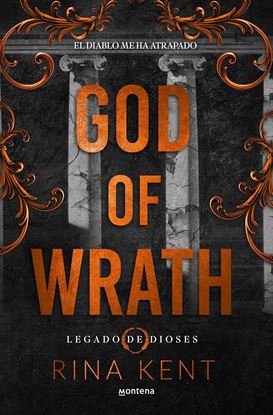
GOD OF WRATH (LEGADO DE DIOSES 3)
El demonio me ha atrapado.
Lo que empezó como un error inocente se ha convertido en todo un infierno.
En mi defensa diré que no pretendía involucrarme con un príncipe de la mafia.
Pero él se ha abierto paso entre mis muros igualmente.
Jeremy Volkov puede parecer encantador, pero en su interior acecha un auténtico depredador.
Solo quiere poseerme, ser mi dueño.
Pero yo no tengo ninguna intención de quedarme en su mundo sangriento.
O eso creo.
1,450

1,450
OTRAS MANERAS DE USAR LA BOCA (10 ANV)
amor
pérdida
trauma
abuso
curación
y feminidad
está dividido en cinco capítulos
cada capítulo tiene un fin distinto
trata con un dolor distinto
cura una pena distinta
otras maneras de usar la boca lleva a quien lo lee a través
de un viaje por los momentos más amargos de la vida
y encuentra dulzura en ellos
porque hay dulzura en todas partes
si decides buscarla
otras maneras de usar la boca encumbró a rupi kaur como la voz de toda una generación: su debut se convertiría en el libro de poesía más vendido del siglo XXI y llevó a millones de lectores en un viaje compartido a través de los momentos más emotivos de la vida.
1,450

1,450
LA OFERTA FINAL (THE FINE PRINT 3)
A veces el primer amor solo necesita una segunda oportunidad.
Callahan es el hermano Kane al que todos critican. Para muchos, Cal es un heredero mimado, un atleta fracasado y un alcohólico funcional. Quizá por eso siente que nadie lo conoce de verdad salvo Alana, la chica a la que le rompió el corazón. Después de aquello, Cal prometió no regresar jamás a Lake Wisteria…, hasta que la herencia de su abuelo lo ha obligado a volver. El único requisito, y a priori sencillo, es que debe pasar un verano entero en la casa del lago de la familia antes de venderla. Sin embargo, todo se tuerce cuando descubre que Lana no solo vive en la casa, sino que también asegura ser la dueña.
Alana no debería haberse enamorado nunca de Cal. Él mismo se lo dijo justo antes de destrozar su corazón y su amistad hace casi seis veranos, tras lo que prometió marcharse para siempre. Y seguramente tampoco debería habérselo creído, porque ahora Cal ha regresado con la intención de vender la casa del lago. Sin embargo, hay un inconveniente: la casa también está a nombre de Lana.
1,450

1,450
PUCKING 3. PUCKING SWEET
Mi nombre es Poppy St. James y acabo de conseguir el trabajo de mis sueños como Directora de Relaciones Públicas de los Jacksonville Rays, el equipo más popular de la NHL. Pero, si quiero quedarme, tendré que demostrar que lo merezco. Llevo esta profesión en la sangre, pero controlar a los jugadores de hockey es un verdadero desafío, especialmente al defensa Lukas Novikov.
No me importa lo bien que juegue Lukas al hockey. Fuera del hielo, siempre está encontrando formas de meter a sus compañeros en problemas, especialmente a Colton Morrow, y luego me toca a mí ingeniármelas para sacarlos de ellos. Pueden llamarme PR Barbie todo lo que quieran, pero solo estoy haciendo mi trabajo...
1,450