


1,300
TEXTOS RECOBRADOS I 1919-1929
Alguna noche, suelo ubicar mis horas en la serenidad del barrio de
Almagro: empresa que tiene su poco de catástrofe en cada punta, pues
para ir y volver es obligatorio descender a la tierra como los muertos e
incluirse en una hilera de ajetreos que hay entre la plaza de Mayo y la
estación Loria, y resurgir con una sensación de milagro incómodo y de
personalidad barajada, al mundo en que hay cielo. Claro está que esas
plutónicas y agachadas andanzas tienen su compensación: tal vez la más
segura es poder considerar ese grande y bien iluminado plano de Buenos
Aires que ilustra las paredes enterradas de los andenes. ¡Qué maravilla
definida y prolija es un plano de Buenos Aires! Los barrios ya pesados
de recuerdos, los que tienen cargado el nombre: la Recoleta, el Once,
Palermo, Villa Alvear, Villa Urquiza; los barrios allegados por una
amistad o una caminata: Saavedra, Núñez, los Patricios, el Sur; los
barrios en que no estuve nunca y que la fantasía puede rellenar de
torres de colores, de novias, de compadritos que caminan bailando, de
puestas de sol que nunca se apagan, de ángeles: Pueblo Piñeiro, San
Cristóbal, Villa Domínico.
1,300

1,300
LA VIDA BREVE (ED.CONMEM. TD)
En La vida breve, Onetti ahonda en el poder de la imaginación y de la escritura como salvación, y en el juego entre realidad y ficción, el recurso de crear existencias paralelas cuando es necesario escapar de la realidad. El protagonista intenta escapar de su vida, con un matrimonio roto y la enfermedad de su mujer, dando a luz a otro yo, de ficción. Para algunos críticos esta es la novela que dio origen al Boom. En ella Onetti da forma, por primera vez a ese territorio de la imaginación en el que transcurren sus novelas, la mítica Santa María, uno de los universos literarios más ricos y mejor construidos, junto a la Comala de Rulfo y el Macondo de García Márquez.
1,300

1,300
EL MEJOR LIBRO DEL MUNDO
NADIE ANTES QUE MANUEL VILAS HA EXPLORADO LA VULNERABILIDAD DE UN ESCRITOR COMO LO HACE ÉL AQUÍ.
Su nueva novela, de clara inspiración autobiográfica, narra la historia vital de un escritor que se levanta todas las mañanas, desayuna y se va a trabajar a su oficina particular para crear el que espera que sea el mejor libro del mundo. En esta divertida, irreverente y locuaz historia, Vilas rompe el famoso techo de cristal para contar a todo el mundo quién y qué es un escritor desde un lugar distinto, en el que nunca ha sido expuesto, desde su fragilidad: el síndrome del impostor, la constante -y cómica- comparación con los demás, las decepciones, la incertidumbre, convivir con la alegría y el fracaso y así hasta sus últimos días.
Una mirada única, ocurrente y muy real sobre cómo un escritor lucha día tras día por ser apreciado, sentirse querido y pasar a la posteridad. Pero siempre desde la comedia.
1,300
1,300
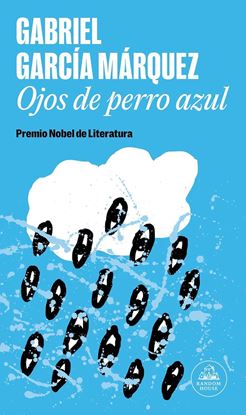
OJOS DE PERRO AZUL (TD)
Estos relatos tempranos de quien posteriormente sería premio Nobel fueron escritos y publicados entre 1947 y 1955, aunque, como libro, Ojos de perro azul no aparecería hasta 1974, cuando ya el escritor había publicado otros dos libros de relatos y cuatro novelas, de las que la última, Cien años de soledad, le proporcionaría su primer gran éxito internacional.
1,300

1,300
DIA
5 de abril de 2019: la primavera despunta en Brooklyn y en el hogar de los Walker-Byrne la felicidad doméstica se resquebraja lentamente. Dan e Isabel han empezado a distanciarse, y el hecho de que Robbie, el encantador y frágil hermano de ella, al que todos adoran, deba abandonar la casa no es algo que ayude. Mientras este busca apartamento e intenta superar su último fracaso sentimental ocultándose tras un glamuroso avatar en las redes, Nathan, el hijo de diez años, da pasos inseguros hacia la adolescencia y su hermana Violet, de cinco, hace lo posible por aliviar el desencanto familiar.
1,300
1,300
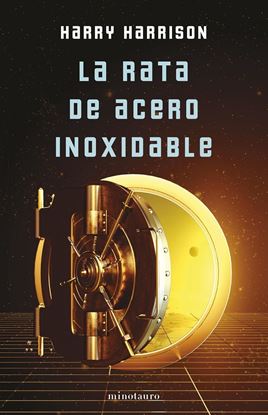
LA RATA DE ACERO INOXIDABLE
Una novela que mezcla la ciencia ficción con el humor.
James Bolívar era el ladrón, granuja y pillo más grande de toda la Galaxia. Hasta que un día fue arrestado por la policía interestelar, la cual, finalmente lo obligó a ingresar en sus filas para llevar a cabo una singular empresa, a fin de limpiar la Galaxia de tipos como él.
Pero al final, y cuando dejó de ser policía, se dedicó a una cacería: la de la mujer a la que adoraba. Angelina había construido una nave espacial bélica y junto con James iban a conquistar el mundo... ¡La Galaxia en peso se estremeció ante aquella idea!
1,300