

1,300
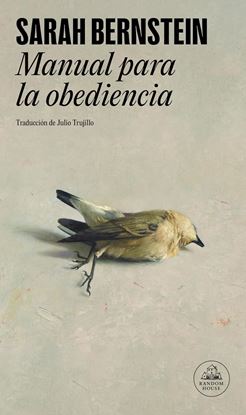
MANUAL PARA LA OBEDIENCIA
Una mujer joven se muda a un país remoto para ser el ama de casa de su hermano, cuya esposa lo ha abandonado.
Tras su llegada, empiezan a producirse una serie de acontecimientos inexplicables: una histeria colectiva bovina, la muerte de una oveja con su cordero a punto de nacer, el embarazo psicológico de una perra, la extraña contención de las aves domésticas y una plaga que arrasa las plantaciones de patatas. La desconfianza de los lugareños recae en ella y se la acusa de algo que desconoce en un idioma que no entiende. La hostilidad crece, sus vecinos asedian su casa y el miedo la invade.
1,300
1,300
VIAJES POR EL SCRIPTORIUM
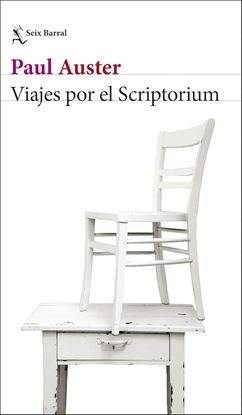
Un anciano se sienta en una habitación, con una única puerta y ventana, una cama, un escritorio y una silla. Cada día despierta sin memoria, sin saber si está encerrado o no. Sobre el escritorio, unas inquietantes fotografías y un manuscrito, la historia de otro prisionero en un mundo alternativo que no reconoce. Anna, una mujer de mediana edad, entra para hablarle de pastillas y tratamiento, pero también de amor y promesas. ¿Quién es este Míster Blank y cuál es su destino? ¿Tendrá tiempo suficiente para dar sentido a las pistas que surgen?
1,300
1,300
LA CONJURA CONTRA AMERICA (TB)
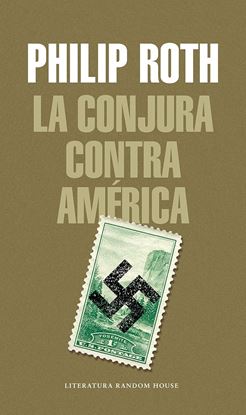
Cuando el renombrado héroe de la aviación y fanático aislacionista Charles A. Lindbergh obtuvo una victoria aplastante sobre Franklin Roosevelt en las elecciones presidenciales de 1940, el miedo invadió todos los hogares judíos de Norteamérica. Lindbergh no solo había culpado públicamente a los judíos de empujar al país hacia una guerra absurda con la Alemania nazi, en un discurso transmitido por radio a toda la nación, sino que, tras acceder al cargo como trigésimo tercer presidente de los Estados Unidos, negoció un «acuerdo» cordial con Adolf Hitler, cuyas conquista de Europa y virulenta política antisemita pareció aceptar sin dificultad.
Lo que entonces sucedió en Norteamérica es el marco histórico de este nuevo y sorprendente libro de Philip Roth, ganador del premio Pulitzer, quien nos cuenta cómo le fue a su familia en Newark, así como a un millón de familias similares en todo el país, durante los amenazantes años de la presidencia de Lindbergh, cuando los ciudadanos norteamericanos que eran judíos tenían todas las razones para esperar lo peor.
1,300
1,300
TEXTOS RECOBRADOS I 1919-1929
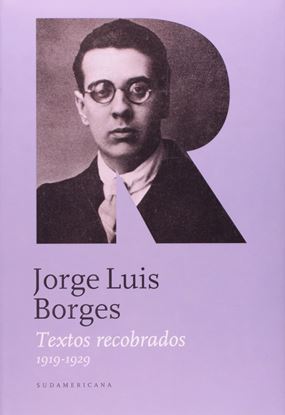
Alguna noche, suelo ubicar mis horas en la serenidad del barrio de
Almagro: empresa que tiene su poco de catástrofe en cada punta, pues
para ir y volver es obligatorio descender a la tierra como los muertos e
incluirse en una hilera de ajetreos que hay entre la plaza de Mayo y la
estación Loria, y resurgir con una sensación de milagro incómodo y de
personalidad barajada, al mundo en que hay cielo. Claro está que esas
plutónicas y agachadas andanzas tienen su compensación: tal vez la más
segura es poder considerar ese grande y bien iluminado plano de Buenos
Aires que ilustra las paredes enterradas de los andenes. ¡Qué maravilla
definida y prolija es un plano de Buenos Aires! Los barrios ya pesados
de recuerdos, los que tienen cargado el nombre: la Recoleta, el Once,
Palermo, Villa Alvear, Villa Urquiza; los barrios allegados por una
amistad o una caminata: Saavedra, Núñez, los Patricios, el Sur; los
barrios en que no estuve nunca y que la fantasía puede rellenar de
torres de colores, de novias, de compadritos que caminan bailando, de
puestas de sol que nunca se apagan, de ángeles: Pueblo Piñeiro, San
Cristóbal, Villa Domínico.
1,300
1,300
LA VIDA BREVE (ED.CONMEM. TD)
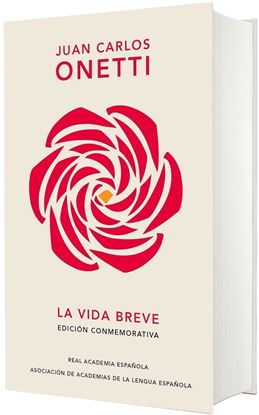
En La vida breve, Onetti ahonda en el poder de la imaginación y de la escritura como salvación, y en el juego entre realidad y ficción, el recurso de crear existencias paralelas cuando es necesario escapar de la realidad. El protagonista intenta escapar de su vida, con un matrimonio roto y la enfermedad de su mujer, dando a luz a otro yo, de ficción. Para algunos críticos esta es la novela que dio origen al Boom. En ella Onetti da forma, por primera vez a ese territorio de la imaginación en el que transcurren sus novelas, la mítica Santa María, uno de los universos literarios más ricos y mejor construidos, junto a la Comala de Rulfo y el Macondo de García Márquez.
1,300
1,300
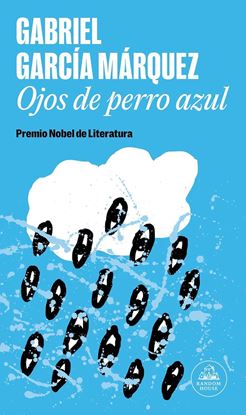
OJOS DE PERRO AZUL (TD)
Estos relatos tempranos de quien posteriormente sería premio Nobel fueron escritos y publicados entre 1947 y 1955, aunque, como libro, Ojos de perro azul no aparecería hasta 1974, cuando ya el escritor había publicado otros dos libros de relatos y cuatro novelas, de las que la última, Cien años de soledad, le proporcionaría su primer gran éxito internacional.
1,300