

2,200
1,760
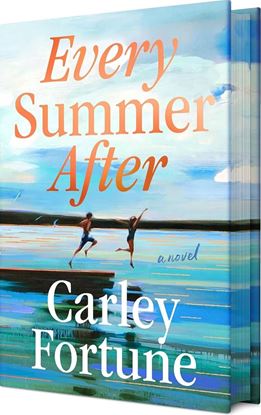
EVERY SUMMER AFTER (DELUXE)
They say you can never go home again, and for Persephone Fraser, ever since she made the biggest mistake of her life a decade ago, that has felt too true. Instead of glittering summers on the lakeshore of her childhood, she spends them in a stylish apartment in the city, going out with friends, and keeping everyone a safe distance from her heart.
Until she receives the call that sends her racing back to Barry’s Bay and into the orbit of Sam Florek—the man she never thought she’d have to live without.
For six summers, through hazy afternoons on the water and warm summer nights working in his family’s restaurant and curling up together with books—medical textbooks for him and work-in-progress horror short stories for her—Percy and Sam had been inseparable. Eventually that friendship turned into something breathtakingly more, before it fell spectacularly apart.
When Percy returns to the lake for Sam’s mother’s funeral, their connection is as undeniable as it had always been. But until Percy can confront the decisions she made and the years she’s spent punishing herself for them, they’ll never know whether their love might be bigger than the biggest mistakes of their past.
2,200
1,760

2,200
1,760
PEOPLE WE MEET ON VACATION (DELUXE)
Poppy and Alex. Alex and Poppy. They have nothing in common. She’s a wild child; he wears khakis. She has insatiable wanderlust; he prefers to stay home with a book. And somehow, ever since a fateful car share home from college many years ago, they are the very best of friends. For most of the year they live far apart—she’s in New York City, and he’s in their small hometown—but every summer, for a decade, they have taken one glorious week of vacation together.
Until two years ago, when they ruined everything. They haven’t spoken since.
Poppy has everything she should want, but she’s stuck in a rut. When someone asks when she was last truly happy, she knows, without a doubt, it was on that ill-fated, final trip with Alex. And so, she decides to convince her best friend to take one more vacation together—lay everything on the table, make it all right. Miraculously, he agrees.
Now she has a week to fix everything. If only she can get around the one big truth that has always stood quietly in the middle of their seemingly perfect relationship. What could possibly go wrong?
2,200
1,760
2,200
1,760
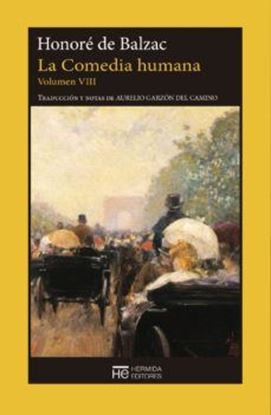
LA COMEDIA HUMANA VOL.VIII
El 18 de marzo llega una nueva entrega de La Comedia humana. Este volumen contiene las tres novelas que conforman Las ilusiones perdidas, perteneciente a las Escenas de la vida de provincia. Los dos poetas, Un gran hombre de provincias en París y Ève y David, conforman una de las obras cumbre de su autor.
2,200
1,760
2,200
1,760
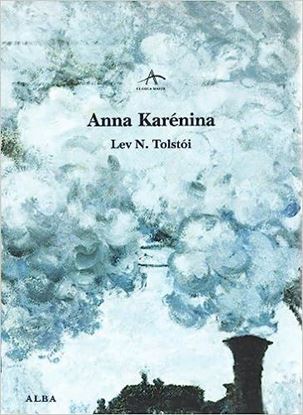
ANNA KARENINA (TD) (ALBA)
Anna Karénina, que Tolstói empezó a escribir en 1873 y no vería publicada en forma de libro hasta 1878, es una exhaustiva disquisición sobre la institución familiar y, quizá ante todo, como dice Víctor Gallego (autor de esta nueva traducción), «una fábula sobre la búsqueda de la felicidad». La idea de que la felicidad no consiste en la satisfacción de los deseos preside la detallada descripción de una galería espléndida de personajes que conocen la incertidumbre y la decepción, el vértigo y el tedio, los mayores placeres y las más tristes miserias.
2,200
1,760
2,200
1,760
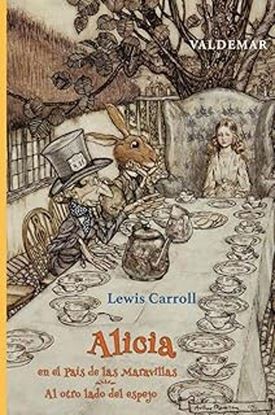
ALICIA EN EL PAIS DE LAS MARAVILLAS.
Diálogos insólitos, situaciones extrañas y un aire de magia absolutamente real impregnan las aventuras de Alicia. Si Alicia en el País de las Maravillas nació por casualidad de los relatos fantásticos que Lewis Carroll improvisaba para las tres hermanitas Lidell –Alicia, Lorina y Edith–, Al otro lado del espejo narra el viaje al extraño país que se encuentra Alicia tras cruzar el espejo. El autor utiliza el ingenio para burlarse de las convenciones y tradiciones de la sociedad inglesa de la época.
«Alicia» no es sólo un libro para niños;
es también el único libro en el que los adultos nos convertimos en niños.
2,200
1,760
2,200
1,760
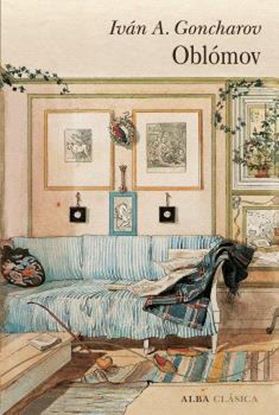
OBLOMOV
“Estar tumbado no era para Oblómov una necesidad como lo es para el enfermo o para el que tiene sueño, ni una casualidad como para el que está cansado, ni siquiera un placer como para el perezoso; era un estado normal.” Sin moverse de su diván, enfundado en un raído batín asiático, el héroe de esa novela es la personificación perfecta de la indolencia y la inactividad. Heredero terrateniente, eterno ausente de una hacienda fraudulentamente administrada, con una malograda carrera en el funcionamiento y en un retraimiento temprano de la vida social, Oblómov conocerá de pronto, al cabo de los años y a instancias de su gran amigo, el emprendedor Shtolz, un extraño renacer, una misteriosa sacudida que por un momento le hará creer en la posibilidad de otra clase de vida, en la que asoman insospechadamente la confianza y el amor.
Oblómov (1859) de Iván A. Goncharov es una de las obras centrales de la literatura rusa, una de las máximas ilustraciones del tipo del “hombre superfluo” que tanto preocupó, asimismo, a Pushkin o a Turguéniev. Diálogos y gestos puros, una perfecta organización dramática, un humor sostenido y elocuente y una narración distanciada y comprensiva a la vez son algunas de las claves de esta magnífica novela en la que todo despide vida y claridad.
2,200
1,760