
1,250
OLVIDADAS (TENIENTE LUCIA GUERRERO 2)
Oculto entre la espesa bruma de la madrugada, un peligroso criminal siembra el terror en Galicia. Tres jóvenes han sido secuestradas y asesinadas en pocas semanas: mujeres de clase trabajadora, olvidadas por su entorno e invisibles para la sociedad. Pero no para la teniente Lucía Guerrero, de la Unidad Central Operativa de la Guardia Civil y encargada de la investigación, que empatiza con las víctimas. Mientras el cerco se estrecha y la tenaz agente está a punto de dar caza al presunto culpable, sus superiores la obligan a regresar de forma abrupta a Madrid. Ahora la máxima prioridad es el asesinato de la empresaria y coleccionista de arte Marta Millán, una de las grandes fortunas de España y amiga de la familia real y toda la clase política, cuyo cuerpo ha aparecido brutalmente mutilado en dos con la inquietante pintada «Muerte a los ricos» en el cabecero de su cama. Entre la persecución a distancia del asesino en serie gallego y la del retorcido psicópata de Marta Millán, que anuncia sus actos homicidas en la red oscura de internet y está causando un enorme revuelo entre la opinión pública y las autoridades, Lucía Guerrero intentará recomponer este doble rompecabezas macabro poniendo en riesgo su propia vida.
1,250

1,250
CUCHARA Y MEMORIA 2
Como y recuerdo, recuerdo y como». Con ese mantra como guía, Benito Taibo regresa a los sabores, olores y texturas que han marcado su vida. En este segundo tomo de Cuchara y memoria, que abarca de la langosta al zapato, el autor continúa hurgando en su historia personal y en la memoria colectiva para revivir aquellas comidas que le han provocado asombro, nostalgia, risas y, también, más de una decepción memorable. Aquí no hay reglas ni jueces: cada quien tiene su forma de «agarrar el taco». Y lo importante, insiste, no es solo recordar, sino divertirse en el camino. Este libro es una invitación a leer con hambre y a compartir el viaje de un autor que escribe con honestidad, humor y un enorme amor por la comida.
1,250

1,250
UN DELIRIO ENCANTADOR
Una fantasía contemporánea romántica y cautivadora sobre una adolescente que debe lidiar con la maldición de amor de su familia que florece cada año, junto con sus tulipanes encantados.
Lark Goode, una chica de diecisiete años, solo quiere una cosa: escapar del pueblo de Cutwater y de la historia que persigue a su familia. Dicha historia comenzó durante la tulipomanía holandesa de 1636, cuando un antepasado de Lark robó los últimos bulbos de tulipanes y huyó al Nuevo Mundo. Sin embargo, cuando los tulipanes brotaron en terreno norteamericano, trajeron una locura que acompañaba a sus pétalos níveos.
Una locura llamada amor.
Generaciones más tarde, los Goode siguen malditos: esas flores antinaturales que brotan en su jardín provocan que sus vecinos se enamoren perdidamente de cualquiera que tenga sangre Goode en las venas. A pesar de que su hermano acepta ese extraño poder, lo único que quiere Lark es librarse de él.
1,250
1,250
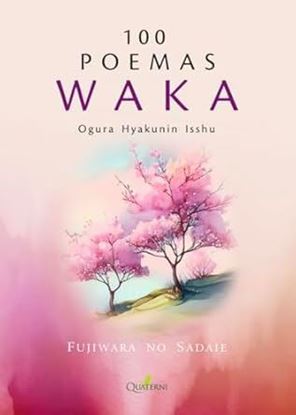
100 POEMAS WAKA
Hyakunin Isshu es el nombre que comúnmente recibe una antología poética japonesa en la que se recogen cien poemas de cien poetas diferentes, seleccionados y ordenados de acuerdo con el criterio de su autor. Han surgido muchas obras de este tipo en distintas épocas, pero la más antigua y famosa de todas es la presente, traducida aquí al castellano y en versión bilingüe: Ogura Hyakunin Isshu, de Fujiwara no Sadaie (Kioto, 1162-1241). Compuesta por encargo del tutor legal de su hijo con el fin de decorar las puertas correderas de su residencia en el monte Ogura, este erudito se atribuiría gracias a ella uno de los mayores clásicos de la poesía de Japón, y la más fiel representación de la cultura del buen gusto del siglo XIII, siguiendo una cronología de casi seiscientos años de historia, hasta alcanzar su propio período, en el que participa incluyendo su poema en la colección. Hombres y mujeres de todos los estratos sociales, desde emperadores, hasta damas de la corte y monjes, conviven en este entramado rico y variado, cantando a coro como « los inmortales de la poesía waka»; tejiendo un tapiz de las cuatro estaciones, del amor, del desamor, de los viajes, y de otros quehaceres; marcando un ritmo magistral y memorable, fruto del inestimable intento de lograr por aquel entonces que cien melodías sonasen como una.
1,250
1,250
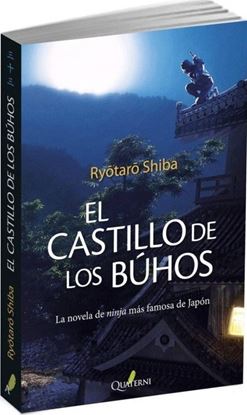
EL CASTILLO DE LOS BUHOS
Después de pasar diez años recluido en un templo en las montañas, Juzo, un mortífero ninja, recibe la orden de realizar un último trabajo: asesinar al hombre más poderoso del país, el shogun Toyotomi Hideyoshi. Para lograrlo deberá infiltrarse en la inexpugnable fortaleza que Hideyoshi acaba de construirse: el castillo de Fushimi. A su regreso a Kyoto, la capital del imperio, reunirá de nuevo a sus antiguos compañeros, supervivientes de la masacre de Iga que como él están viviendo ocultos, para que lo ayuden en su misión. Comienza así una inolvidable novela épica que gustará tanto a los aficionados a la historia como a los fans de las novelas de aventuras."
1,250

1,250
SISTEMA NERVIOSO
Esta es la historia de una familia amarrada por una trama obsesiva, entre la precariedad del cuerpo, sus males incesantes y la inminencia de la pérdida.
En esta particular biografía clínica de todo un clan, cada miembro va eludiendo los embates de la vida con ansiedad, con afecto, con resentimiento y violencia,con culpa, con imaginación, con chispazos de humor negro. Y con malentendidos que hacen saltar los circuitos del nerviososistema familiar.
El pasado y el presente orbitan por estas páginas narradas desde la perspectiva de una protagonista que, radicada en el extranjero, mantiene un equívoco contacto consu familia mientras intenta escribir una tesis astronómica y va internándose por agujeros negros cada vez más profundos.
1,250