
1,995
1,596
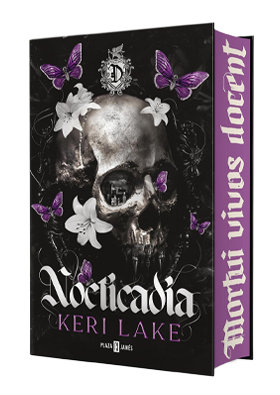
PECADOS 2. REY DE LA SOBERBIA (ED. ESP)
INTROVERTIDO. CAUTELOSO. EXTREMADAMENTE CORRECTO.
Kai depende de una votación para convertirse en el CEO de su imperio familiar, por lo que el billonario no puede permitirse el lujo de distraerse con Isabella. Sofocado por responsabilidades y promesas, cuando están juntos siente que finalmente puede respirar.
AUDAZ. IMPULSIVA. ALEGRE.
Isabella no ha asistido a una sola fiesta en la que no fuera el centro de atención ni ha conocido a un hombre al que no
pueda enamorar…, excepto a Kai, que es miembro del club exclusivo en el que trabaja como camarera.
Pero aunque les cueste todo lo que tienen, no pueden resistirse a caer en la tentación de sus deseos prohibidos.
1,995
1,596

1,995
1,596
PLENO VERANO & GARCETAS BLANCAS
En Pleno verano & Garcetas blancas, Derek Walcott trata los temas distintivos de su carrera: el complejo legado colonial del Caribe, su amor por la tradición literaria occidental, la sabiduría que llega con el paso del tiempo, las siempre extrañas alegrías del nuevo amor y, a veces, la aterradora belleza del mundo natural, con una intensidad y un impulso que recuerdan su obra más grande. A través de la fascinante repetición de temas e imágenes, Walcott amplía las posibilidades de la rima y la métrica, la forma poética y el lenguaje. Las lenguas el inglés y el creole se imbrican para formar un caudaloso tejido de sentidos y sensaciones que reflejan el amor de Walcott por su tierra, por un lenguaje comprometido y vivo del que todos formamos parte.
1,995
1,596

1,995
1,596
DE UN CASTILLO A OTRO. TRILOGIA NORTE 1
Los aliados han liberado Francia, y las tropas alemanas en retirada conducen a un numeroso grupo de colaboracionistas del gobierno de Vichy al castillo de Sigmaringen. Éste es el punto de partida de De un castillo a otro: más de mil personas angustiadas, sin norte ni futuro, se hacinan en un castillo laberíntico. Pero los castillos de Céline son realmente dolorosos, agitados por los espectros de la guerra, el odio y la miseria. Transparente en su autobiografía, casi a caballo entre la novela y la confesión, con aguda ironía y punzante humor, Céline nos describe a los alemanes en pánico, a una Europa que retumba, a los ministros de Vichy sin ministerio y al mariscal a punto de entrar en el Tribunal Supremo. Con su prosa arrolladora y sincopada, en completo desorden pero con vívida clarividencia, Céline nos narra como nadie el caos la derrota, los excesos y las miserias de la condición humana. Así, este De un castillo a otro, primer volumen de lo que el propio autor concibió como una historia magna, la Trilogía del Norte, es uno de sus libros más demoledores, y bien habría podido titularla el final de la noche, porque es una novela que nos interpela, nos sacude, nos golpea. Una literatura radical que se escribe con las vísceras.
1,995
1,596

1,995
1,596
ANTOLOGIA DE SPOON RIVER
Publicado originalmente en 1915, Antología de Spoon River es un gran fresco de la vida en un pueblo del Medio Oeste norteamericano que se convierte, por obra y gracia de la palabra poetica, en emblema de los deseos y las pasiones, los miedos y las angustias, las aspiraciones y las renuncias, los triunfos y las derrotas vitales de todos y cada uno de nosotros. Los 244 personajes que desfilan por sus páginas nos hablan desde la tumba y pronuncian su propio epitafio. Al hacerlo, nos dan un fragmento de vida que se entreteje con todos los demás para urdir la gran epopeya norteamericana del siglo veinte. Esta edición bilingüe de Antología de Spoon River, que presentamos en la soberbia traducción de Eduardo Moga, no es solo un libro clásico, sino tambien un libro vivo, crónica palpitante de la interioridad humana. Y sus personajes son una representación fidedigna de los caracteres del mundo, habitantes de un rincón de los Estados Unidos, pero moradores posibles de cualquier nación, de cualquier paisaje.
1,995
1,596
1,995
1,596
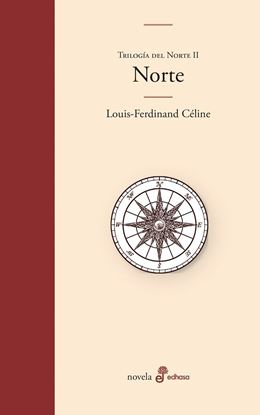
NORTE. TRILOGIA NORTE (VOL. II)
Alemania está en llamas. Sólo quedan unos meses para que suceda el colapso de Reich, pero, entretanto, Céline, actor y recitador al mismo tiempo, ha decidido exiliarse de París para escapar de una muerte segura. En Baden-Baden, un extraño castillo donde los manjares, como el caviar o el champán, importan más que los bombardeos, es evidente el asombro de la baronesa Von Seckt, superviviente de otro mundo, que juzga a Hitler: «El triunfo del diablo se debe principalmente a que las personas que lo conocían bien ya no están allí...». Y de ahí, a Berlín, y luego a Rostock... Y todo es ruinas. Céline y sus compañeros de desgracia –su esposa Lili, el actor Le Vigan, el gato Bébert– son enviados a Zornhof, a una enorme propiedad gobernada por un loco, allí donde la llanura se extiende hasta el infinito. Norte, último libro publicado en vida del autor, es la descripción de un viaje al infernal apocalipsis de la Alemania nazi. Este segundo volumen de la «Trilogía Norte» describe con incomparable maestría la desaparición de toda una sociedad, el ridículo de una aristocracia decadente y la desorientación de unos refugiados franceses perdidos en un mundo que pocos reconocen. Luego la frágil pero incandescente pluma de Céline hace el resto. Y, hasta hoy, nosotros, los lectores, lo reconocemos...
1,995
1,596
1,995
1,596
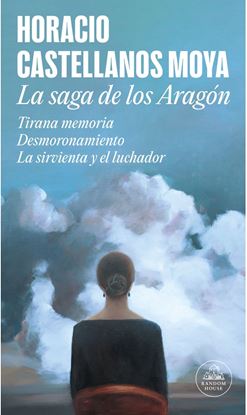
LA SAGA DE LOS ARAGON
Tirana memoria relata la historia de Haydée, escrita de su puño y letra en el diario que teje y desteje mientras espera a que su marido, Pericles Aragón, salga de la cárcel, y a que su hijo Clemen escape del país. Allí confluyen lo personal y lo político, la atmósfera de creciente violencia y la angustia de la protagonista, inseparables del trauma de la dictadura.
Desmoronamiento retoma a Clemen Aragón en el momento de sus nupcias con Teti, la única hija de un matrimonio hondureño de clase alta, los Mira Brossa, que harán todo lo posible para frustrar la unión. Un retrato demoledor de dos estirpes enfrentadas, espejo de las entonces conflictivas relaciones entre Honduras y El Salvador.
En La sirvienta y el luchador acompañamos a María Elena, la sirvienta de los Aragón, con la que Clemen tuvo un enredo. Ante la desaparición de uno de los descendientes de la familia, en los inicios de la guerra civil, María Elena se enfrasca en su búsqueda, junto a El Vikingo, un exluchador convertido en torturador que tiempo atrás fue su pretendiente.
1,995
1,596