

850
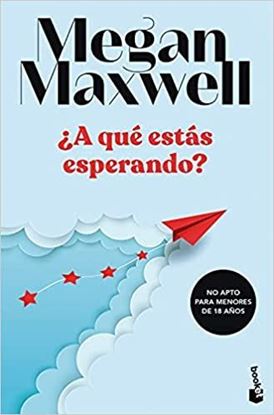
A QUE ESTAS ESPERANDO? (BOL)
Can Drogo, piloto e hijo del dueño de la empresa aeronáutica High Drogo, es un hombre alto, guapo, adinerado, simpático… Puede elegir a la mujer que desee, y aunque disfruta de esa «magia especial» con la que le ha dotado la vida, en su interior siente que todas lo aburren.
Por su parte, Sonia Beched es la mayor de cuatro hermanas y la propietaria de una empresa de eventos y de una agencia de modelos.
Can ve en ella a una chica divertida, atrevida, sin tabúes, con la que se puede hablar de todo, incluido de sexo, pero poco más, pues considera que no es su tipo. Hasta que un día las sonrisas y las miradas de la joven no van dirigidas a él, y eso, sin saber por qué, comienza a molestarlo.
Sexo. Familia. Diversión. Locura. Todo esto es lo que vas a encontrar en ¿A qué estás esperando?, una novela que te hará ver que, en ocasiones, tu corazón se desboca por quien menos esperas sin que puedas frenarlo.
850
850
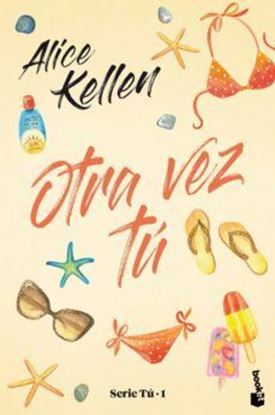
OTRA VEZ TU (SERIE TU 1) (BOL)
¿Existen las segundas oportunidades? Una boda frustrada. Un cálido reencuentro. Esta es la historia de Alex y Emma.
Junto a sus dos mejores amigas, Emma deja atrás la ciudad de Nueva York y viaja a California con el firme propósito de pasar las vacaciones con un cóctel en la mano, bajo el sol, en las cálidas playas de la costa. Un plan perfecto. O al menos lo fue hasta que se encontró con Alex, el chico que no solo le rompió el corazón sino que, además, la dejó plantada una semana antes de subir al altar para darse el «sí, quiero».
Por desgracia, Alex sigue siendo irresistible. Y, aunque Emma siente debilidad por su mirada azul y su sonrisa canalla, no está dispuesta a volver a caer en sus redes. Todo quedó atrás. Él quedó atrás. Así es como deben ser las cosas. El problema es que «querer» no siempre es suficiente y a veces hay recuerdos que pesan demasiado.
«¿Existen las segundas oportunidades? Si eres de las que piensan que el amor no siempre es dos más dos, sino algo así como sesenta y tres por cuatro, divido entre ocho y multiplicado por infinito, tienes que conocer la historia de Alex y Emma».
850
850
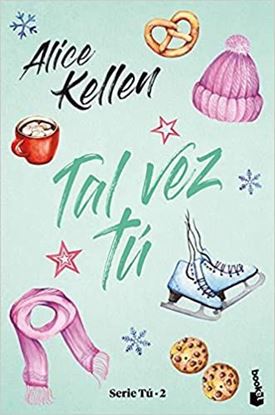
TAL VEZ TU (SERIE TU 2) (BOL)
Tras un desengaño amoroso, Elisa está decidida a retomar las riendas de su vida e ir tachando propósitos de su lista de objetivos: seguir siendo la mejor en su empleo, casarse, formar una familia, mudarse a una bonita casa a las afueras… ¿El problema? Todavía no ha conocido al futuro padre de sus hijos. Pero ella no es de las que se rinden tras un fracaso y tiene muy claro qué tipo de hombre desea a su lado. Para empezar, uno que no se parezca en nada al abogado con el que debe competir en su trabajo, ese que está poniendo a prueba toda su paciencia.
Jack Helker es tan atractivo como borde. A pesar de su sonrisa insolente y de que es el típico hombre que debería venir con un cartel en la frente en el que pusiese «no tocar», Elisa es incapaz de ignorar el deseo que siente cada vez que él está cerca. Y, entre rocambolescas citas, Froot Loops y noches imprevistas, empezará a reconsiderar que a veces «perder el control» también tiene sus ventajas.
«Quizá la princesa no encuentre a un caballero a lomos de un corcel cuando se asome a la ventana de la torre, pero tal vez sí tropiece con un seductor chico de ojos grises el día que se atreva a dejar atrás los seguros muros del castillo».
850

850
MUSICA, SOLO MUSICA (BOL)
Todo el mundo sabe que a Haruki Murakami le apasionan tanto la música moderna y el jazz como la música clásica. Esta pasión no sólo le llevó a regentar en su juventud un club de jazz, sino a impregnar de referencias musicales la mayoría de sus obras. En esta ocasión, el escritor japones comparte con sus lectores sus querencias, sus opiniones y, sobre todo, sus ansias de saber sobre el arte musical. Para ello, a lo largo de dos años, Murakami y su amigo Seiji Ozawa mantuvieron estas deliciosas conversaciones sobre piezas de Brahms y Beethoven, de Bartók y Mahler, sobre directores de orquesta como Leonard Bernstein y solistas excepcionales como Glenn Gould. Así, mientras escuchan discos y comentan distintas interpretaciones, el lector asiste a jugosas confidencias que le contagiarán el placer inacabable de disfrutar de la música con oídos nuevos.
850
850
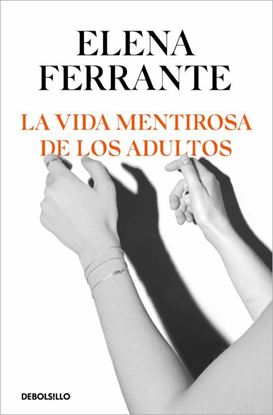
LA VIDA MENTIROSA DE LOS ADULTOS (BOL)
LA AUTORA DE LA SAGA DOS AMIGAS VUELVE PARA RECORDARNOS POR QUÉ FASCINA A 20.000.000 DE LECTORES EN 42 PAÍSES Y ES EL MAYOR ENIGMA DE LA LITERATURA ACTUAL DE PRÓXIMA ADAPTACIÓN A UNA SERIE PARA NETFLIX Uno de los 100 libros del año según Time, Esquire y Trendencias «Ferrante es una contadora de historias nata, tan extraordinaria y adictiva como mi también adorado John Irving, una escritora clásica en el sentido maravilloso de la palabra.»
Milena Busquets «Dos años antes de irse de casa, mi padre le dijo a mi madre que yo era muy fea». Así empieza esta novela extraordinaria sobre el descubrimiento de la mentira, el amor y el sexo, narrada por la inolvidable voz de Giovanna, una joven empeñada en conocer a su tía Vittoria, incomprensiblemente borrada de las conversaciones y álbumes de fotografías. Con ello desencadenará sin saberlo el desmoronamiento de su familia intelectual y burguesa, perfecta solo en apariencia. Maestra absoluta de la intriga, Ferrante siembra la trama de sorpresas y anuda prodigiosamente la misteriosa historia familiar y amorosa en torno a una pulsera que pasa de mano en mano. Nadie como ella para describir la complejidad de las pasiones humanas y todas las intermitencias del pensamiento y el corazón. La critica ha dicho:
«Es difícil defraudar. Pero es que, Ferrante maneja con destreza los elementos que le hacen fuerte y que potencia en su maravillosa narrativa. Como si de un combinado se tratara, ha metido en una coctelera todos esos ingredientes que le han llevado al éxito: amistad, adolescencia, familia, fealdad, religión, mentiras, clase social, sexo y Nápoles.»
Pilar Parra, ABC «Nadie como ella para describir la complejidad de las pasiones humanas y todas las intermitencias del pensamiento y el corazón.»
850

850
EN TUS ZAPATOS (BOL)
Leena Cotton es infalible, pero ha metido la pata. Sus jefes le ordenan tomarse dos meses de vacaciones y, agotada, decide escapar de la humeante Londres.
Eileen Cotton es imparable, pero acaba de quedarse soltera a sus setenta y nueve años y no hay (a primera vista) ningún soltero adecuado para ella en Hamleigh, su pequeño pueblo.
Al enterarse del problema de su abuela, Leena propone una solución drástica: durante ocho semanas, Eileen se irá a Londres a buscar el amor mientras ella se ocupa de todo en Hamleigh y aprovecha para desconectar.
Sin embargo, Leena se las tendrá que ver con marabuntas de pensionistas y el insoportable (pero muy atractivo) profesor del pueblo; y tal vez las webs de citas y los hípsters londinenses puedan con Eileen. Las Cotton están a punto de descubrir que vivir la vida de otra persona no es tan sencillo como creían..., pero quizá sea justo lo que necesitan.
850
850
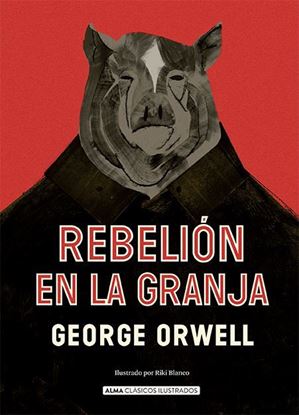
REBELION EN LA GRANJA (TD) (ALMA)
En palabras de George Orwell, Rebelión en la granja es la historia de una revolución que sale mal. La corrupción, el abuso de poder, la manipulación de la verdad y el culto al líder acaban con los sueños de libertad, igualdad y justicia de los habitantes de la Granja de los
Animales. Hasta los ideales más nobles pueden pervertirse y degenerar en una parodia de aquello contra lo que se luchaba.
Con esta sátira feroz de todos los totalitarismos, Orwell nos regala una apasionada reivindicación de la libertad que se ha convertido por méritos propios en uno de los grandes clásicos de la literatura del siglo XX.
850
850
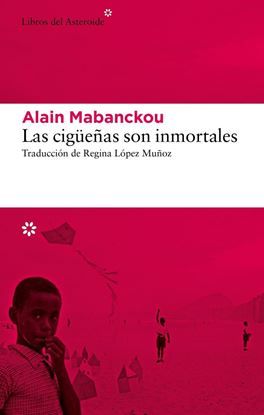
LAS CIGUEÑAS SON INMORTALES
Michel, un chico de trece años con fama de soñador, vive en la localidad congoleña de Pointe-Noire. Su vida transcurre con normalidad: va al colegio, juega, tiene sus más y sus menos con los vecinos; su madre trabaja en un puesto de plátanos en el mercado y su padre, en un hotel. Pero en marzo de 1977, de repente, estalla la noticia: el camarada presidente Marien Ngouabi ha sido brutalmente asesinado. El atentado tendrá distintas consecuencias en la vida de Michel y su familia, el aprendizaje de la mentira no será la menor de ellas.
Con humor y emoción, a través de la mirada ingenua del protagonista adolescente, el autor se vale del universo familiar para ofrecernos un fresco de la descolonización y los callejones sin salida del continente africano, de los que el Congo es un doloroso ejemplo.
Dueño de un universo literario único y considerado como uno de los escritores francófonos más importantes de la actualidad, Mabanckou mezcla intimidad y tragedia política en esta historia de un chico que se enfrenta de golpe con la realidad de la vida.
850
850
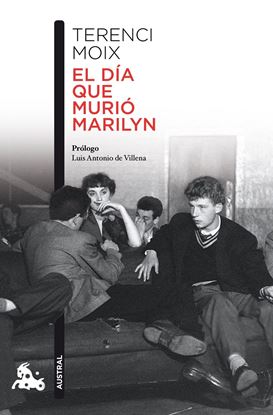
EL DIA QUE MURIO MARILYN (BOL)
La novela emblemática de Terenci Moix, considerada un hito generacional de los setenta
El itinerario vital de los protagonistas, dos jóvenes que tenían vente años en 1962, desarrolla un calidoscopio formado por sus recuerdos de infancia y adolescencia durante los años cincuenta y sesenta —el cine, los tebeos, la educación religiosa—, enfrentados al recuerdo de sus padres sobre la Barcelona de los años treinta y la guerra civil.
850