

995
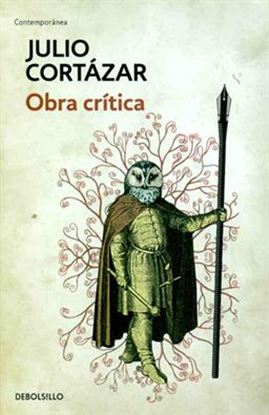
OBRA CRITICA (BOL)
.Julio Cortázar no solo demostró ser un maestro de la literatura contemporánea convirtiéndose en una referencia inescapable para escritores posteriores como Roberto Bolaño, también fue un intelectual prolífico que nos ha legado una valiosa obra ensayística llena de agudeza e ingenio.Sus textos críticos constituyen una lectura imprescindible en la medida que ponen de manifiesto las nociones y valores determinantes en la génesis de la literatura cortazariana, ofreciendo al lector una figura más precisa y completa del autor de Rayuela, al mismo tiempo que le desvela el maravilloso poliedro de su obra.La recopilación que recoge la presente edición ha sido llevada a cabo por tres especialistas que, además de ser reconocidos eruditos y expertos, también fueron amigos muy cercanos al autor: Saúl Yurkievich, Jaime Alzaraki y Saúl Sosnowski.
995
995
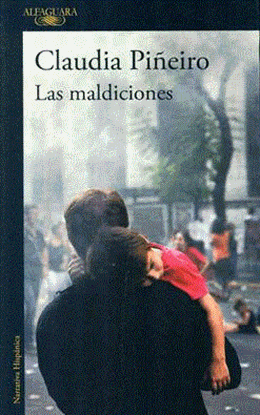
LAS MALDICIONES
Román Sabaté entra al mundo de la política casi por casualidad, pero es allí donde se sella su destino. La permanente tensión entre la necesidad de trabajo de un joven de provincia y las ocultas intenciones del político que lo ha elegido como secretario privado es lo que mueve los hilos de esta novela: dos hombres en conflicto en una historia en la que hasta la paternidad está en juego. Magia, doble discurso o crimen, todo vale. Las maldiciones desnuda la verdad de la llamada «nueva política», basada en un pragmatismo absoluto que esconde la inescrupulosidad del engaño y la ambición sin límites.
995
995
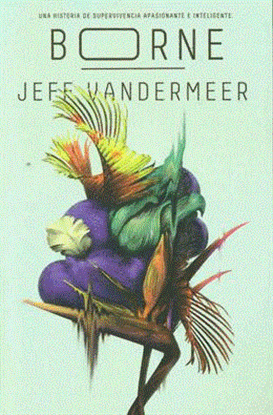
BORNE
En un futuro próximo, una joven llamada Rachel sobrevive en una ciudad en ruinas poblada por criaturas insólitas, experimentos biológicos que escaparon de su cautiverio tras ser creados por la corporación que se hacía llamar la Compañía. Un día, Rachel descubre a Borne, un extraño ser -¿se trata de un animal o de una planta?- que posee un peculiar encanto y que le recuerda a su infancia junto al mar. Pero, como le advierte su compañero, Wick, no puede encarIñarse de él, esa vulnerabilidad es justo lo que no puede permitirse en un entorno tan implacable, y más ahora que está a punto de cambiar el equilibrio de poder. Y aun así... a pesar de las amenazas y nuevos enemigos que muy pronto pondrán en peligro su ya precaria existencia, Rachel hará todo lo posible por protegerlo a medida que descubre quién o qué es, a medida que crece y cambia... ¿Cuál es el secreto que esconde Borne?
995
995
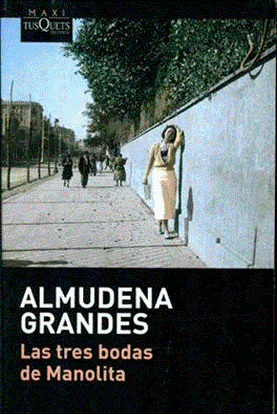
LAS TRES BODAS DE MANOLITA (BOL)
En el Madrid recién salido de la guerra civil, sobrevivir es un duro oficio cotidiano. Especialmente para Manolita, una joven de dieciocho años que, con su padre y su madrastra encarcelados, y su hermano Antonio escondido en un tablao flamenco, tiene que hacerse cargo de su hermana Isabel y de otros tres más pequeños. A Antonio se le ocurrirá una manera desesperada de prolongar la resistencia en los años más terribles de la represión: utilizar unas multicopistas que nadie sabe poner en marcha para imprimir propaganda clandestina. Y querrá que sea su hermana Manolita, la señorita «Conmigo No Contéis», quien visite a un preso que puede darles la clave de su funcionamiento. Manolita no sabe que ese muchacho tímido y sin aparente atractivo va a ser en realidad un hombre determinante en su vida, y querrá visitarlo de nuevo, después de varios periplos, en el destacamento penitenciario de El Valle de los Caídos. Pero antes deberá descubrir quién es el delator que merodea por el barrio.
995
995
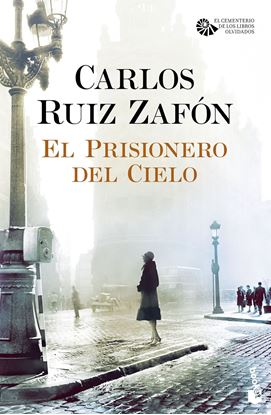
EL PRISIONERO DEL CIELO (BOL)
Barcelona, 1957. Daniel Sempere y su amigo Fermín, los héroes de La Sombra del Viento, regresan de nuevo a la aventura para afrontar el mayor desafío de sus vidas.Justo cuando todo empezaba a sonreírles, un inquietante personaje visita la librería de Sempere y amenaza con desvelar un terrible secreto que lleva enterrado dos décadas en la oscura memoria de la ciudad. Al conocer la verdad, Daniel comprenderá que su destino le arrastra inexorablemente a enfrentarse con la mayor de las sombras: la que está creciendo en su interior.Rebosante de intriga y emoción, El Prisionero del Cielo es una novela magistral donde los hilos de La Sombra del Viento y El Juego del Ángel convergen a través del embrujo de la literatura y nos conduce hacia el enigma que se oculta en el corazón del Cementerio de los Libros Olvidados.
995

995
LA CAIDA DE LOS GIGANTES (CENT 1) (BOL)
Una gran novela que narra las vidas de cinco familias: una americana, una galesa, una inglesa, una alemana y una rusa, con el trasfondo de la Primera Guerra Mundial, la Revolución Rusa y los profundos cambios sociales que estas conllevaron.Primer volumen de la trilogía «The Century»La historia empieza en 1911, el día de la coronación del rey Jorge V en la abadía de Westminster. El destino de los Williams, una familia minera de Gales, está unido por el amor y la enemistad al de los Fitzherbert, aristócratas y propietarios de las minas. Lady Maud Fitzherbert se enamorará de Walter von Ulrich, un joven espía en la embajada alemana en Londres. Sus vidas se entrelazarán con la de un asesor progresista del presidente de Estados Unidos, Woodrow Wilson, y la de dos hermanos rusos a los que la guerra y la revolución les ha arrebatado su sueño de buscar fortuna en América.Desde Washington hasta San Petesburgo, desde la inmundicia y los peligros de las minas de carbón hasta los candelabros lujosos de los palacios de la aristocracia, pasando por los pasillos de la Casa Blanca y el parlamento de Westminster, Ken Follet nos ofrece, en su novela más ambiciosa, un esmerado retrato de una época y de las pasiones que espolearon la vida de sus personajes.
995