

950
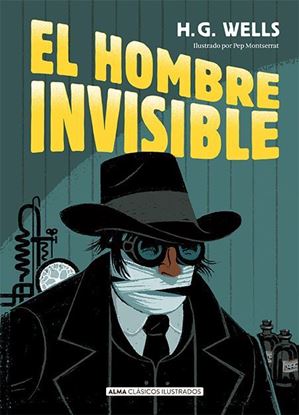
EL HOMBRE INVISIBLE (CLA.ILUS)(ALMA)(TD)
Un frío día de invierno un desconocido llega a la posada de una pequeña localidad inglesa, abrigado de pies a cabeza, con gafas oscuras y vendas en la cara. Su carácter reservado levanta sospechas entre los vecinos, por lo que, cuando empiezan a suceder acontecimientos extraños, deciden averiguar quién es ese personaje cuyo rostro no han visto.
Publicada originalmente en 1897, El hombre invisible cuenta las contradicciones de un joven y ambicioso científico que, tras un largo y arduo trabajo, encuentra la fórmula de la invisibilidad. Pero lo que inicialmente parecía un logro brillante termina convirtiéndose en una pesadilla. En esta novela H. G. Wells expone los peligros del mal uso de la ciencia y nos invita a reflexionar sobre sus límites éticos.
950
950
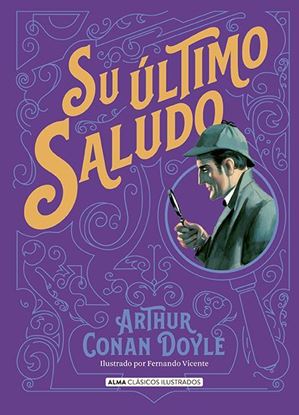
SU ULTIMO SALUDO (CLASICO ILUST.) (ALMA)
Aunque Arthur Conan Doyle escribió más historias de Sherlock Holmes, estas son las últimas en orden de cronología interna. Vemos aquí a un Holmes retirado en la campiña inglesa, más interesado por la apicultura que por resolver casos. Solo la inminente guerra con Alemania logrará sacar de su retiro voluntario a Holmes, que pondrá todo su ingenio y habilidades al servicio de su país en «Su último saludo».
Estos siete relatos crepusculares de Sherlock Holmes nos muestran cómo el genial inquilino del 221B de Baker Street se adapta a un mundo cambiante, eso sí, sin perder la capacidad de deleitar a los lectores.
950

950
OTELO
Dentro de la amplia galería de personajes que a lo largo de las obras de William Shakespeare (1564-1616) encarnaron las más universales y comunes pasiones que mueven la naturaleza humana, Otelo ha pasado a representar el hombre destruido por los celos. Sin embargo, el tema crucial y más general de la obra es la desconfianza. Movida por este veneno que se esparce por sus diálogos e impregna las relaciones entre parejas, ya sean hombres y mujeres, ya jefes y subordinados, esta tragedia sigue resultando, hoy como ayer, una lectura tan subyugante como poderosa.
950

950
NIDO DE NOBLES (TB)
Lavretski, el heroe de esta novela, ha tenido una educación singular: su padre, un noble terrateniente que se fugó y casó con una sirvienta, y luego la dejó en Rusia para vivir "la vida alegre" de Europa, quiso hacer de el "no solo un hombre, sino un espartano". Ya mayor, y despues de una "boda por amor" y del correspondiente periplo europeo, vuelve a Rusia cabizbajo, separado de su mujer (que le engañaba) y expuesto al ridículo… pero con la firme convicción de emprender reformas y cuidar la tierra. Nido de nobles (1859) es una hermosa y melancólica novela sobre la persistencia del deseo, testimonio de una generación perdida en la Rusia del momento, una generación que solo podía levantarse "en medio de la oscuridad".
950

950
EL HOMBRE SENTIMENTAL (BOL)
«El hombre sentimental es una historia de amor en la que el amor no se ve ni se vive, sino que se anuncia y recuerda», dice Javier Marías en su epílogo. Y se pregunta: «¿Puede esto ocurrir?».
Un famoso tenor, conocido como el León de Nápoles, es el encargado de contar esa historia sucedida cuatro años atrás, durante una visita a Madrid para ensayar el Otello de Verdi. Los personajes son la misteriosa y melancólica Natalia Manur; su marido, el banquero Manur, y el imperturbable y obsequioso señor Dato, acompañante de profesión. A su alrededor se mueven otros secundarios: una prostituta apresurada, una vieja gloria de la escena operística, un minucioso viudo, un antiguo amor.
950
950
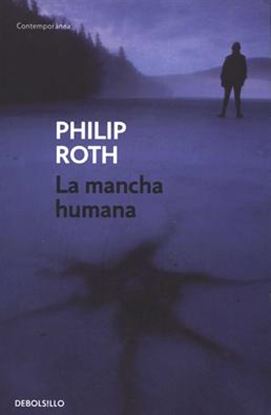
LA MANCHA HUMANA (BOL)
En el verano de 1998, el doble azote del puritanismo y la corrección política recorre Estados Unidos a causa del escándalo Lewinski. Coleman Silk, un viejo catedrático de una pequeña universidad de Nueva Inglaterra, se ve obligado a jubilarse cuando sus colegas lo acusan de racista. Lo asombroso del dictamen es que la verdad sobre Silk podría acallar hasta al más virulento de sus detractores. Su secreto, escondido durante cincuenta años a esposa, familiares y amigos, servirá al escritor Nathan Zuckerman para reconstruir la biografía desconocida de Silk y entender cómo puede llegar a desenmarañarse una ficción de vida tan ingeniosamente armada.
950