

950
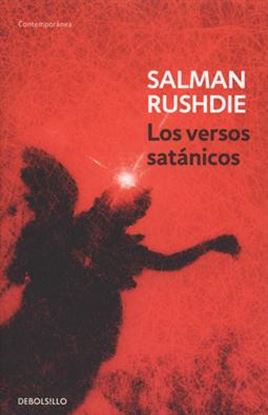
LOS VERSOS SATANICOS (BOL)
Un avión secuestrado estalla a gran altura sobre el canal de la Mancha. Dos supervivientes caen al mar: Gibrel Farishta, un legendario galán cinematográfico, y Saladin Chamcha, el hombre de las mil voces, autodidacta y anglófilo furibundo. Consiguen llegar a una playa inglesa y notan unos extraños cambios: uno ha adquirido una aureola y el otro ve con horror cómo crece el vello de sus piernas, los pies se le convierten en cascos y las sienes le abultan... Los versos satánicos es la novela más célebre, iconoclasta y polémica de Salman Rushdie. Una referencia ineludible de la literatura de nuestro tiempo.
950
950
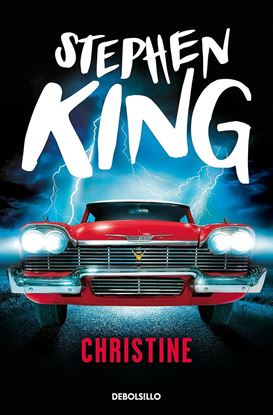
CHRISTINE (BOL)
El oscuro protagonista de esta novela es un automóvil marca Plymouth de 1958 llamado Christine, un superviviente de un tiempo en que la gasolina era barata y el rock and roll marcaba el ritmo de la época.
Arnie Cunningham está dispuesto a conseguir el Plymouth del 58 a cualquier precio. Y lo consigue. Pero mientras trabaja en la ardua tarea de restaurarlo, el coche da muestras de una terrible vida propia.
¿O son solo imaginaciones? Dennis sigue creyéndolo así, pero la gente muere en las oscuras calles y avenidas de Libertyville. Y llega un momento en que Dennis ya no puede negar la aterradora verdad.
Christine está viva.
950
950
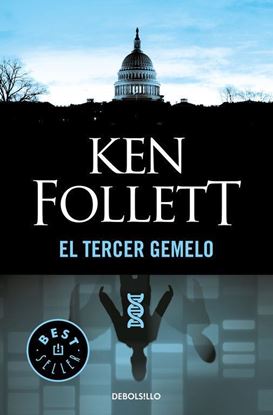
EL TERCER GEMELO (BOL)
¿Se pueden clonar los seres humanos? Ken Follett nos sorprende con un espectacular thriller científico. La joven científica Jeannie Ferrami está llevando a cabo una investigación sobre la formación de la personalidad y las diferencias de comportamiento entre gemelos. Sus investigaciones se centran en los patrones de criminalidad en hermanos separados al nacer para determinar si los genes influyen en el desarrollo de delincuentes potenciales. Sin embargo, cuando descubre dos gemelos absolutamente idénticos nacidos de madres distintas, alguien intentará frenar su investigación... al precio que sea. ¿Es posible que se hayan hecho experimentos secretos de clonación en seres humanos sin ser ellos conscientes? ¿Y de qué forma puede estar involucrado un candidato a la presidencia de Estados Unidos?
950
950
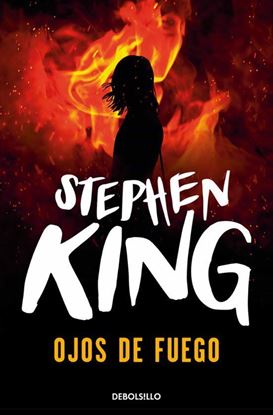
OJOS DE FUEGO (BOL)
Charlie es una niña rubia, de ojos azules, educada y cariñosa. Pero también es piroquinética. Sí, puede encender fuego a distancia, desde inofensivas fogatas hasta hogueras voraces. Y si posee estas capacidades a los siete años, horroriza pensar en sus poderes destructores cuando sea adulta. Aunque, la verdad, tiene pocas probabilidades de llegar a la edad adulta. Porque el servicio secreto norteamericano encargado de realizar investigaciones científicas y paracientíficas para su aplicación militar ha decidido estudiar a Charlie y luego eliminarla, tal como estudió y eliminó a sus padres después de haberlos utilizado en sus experimentos...
950
950
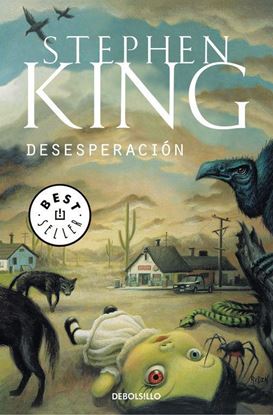
DESESPERACION (BOL)
Aquellos que son asesinados en la carretera, a la entrada del pueblo minero de Desesperación, son los más afortunados, porque para los que sobrevivan y crucen el cartel de bienvenida, Desesperación se convertirá en el escenario de sus más angustiantes pesadillas... En la interestatal 50, en el desértico y solitario tramo que atraviesa Nevada, un gato muerto ensartado en un cartel da la bienvenida al pequeño pueblo minero de Desesperación. Allí, un policía local poseído por un perverso ser se ha erigido en autoridad suprema y sanguinaria, y elige sus víctimas entre los escasos vehículos que circulan por la carretera. Aquellos que mueren rápidamente son el realidad los más afortunados, ya que para los supervivientes Desesperación se convertirá en el escenario de una horrenda pesadilla.
950
950
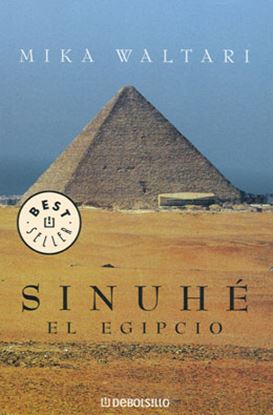
SINUHE, EL EGIPCIO (BOL)
Sinuhé el egipcio nos intriduce en el fascinante y lejano mundo del Egipto de los faraones, los reinos sirios, la Babilonia decadente, la Creta anterior a la Hélade...
El autor ha combinado con éxito investigación, imaginación y el ingenio de un buen narrador en la recreación de la generación de Akhenaton.
950