

900
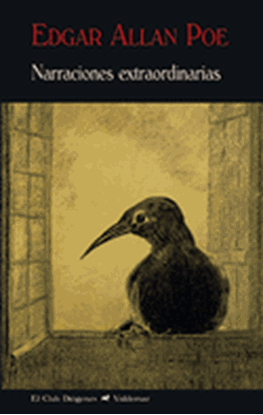
NARRACIONES EXTRAORDINARIAS (TD)
Según H.P. Lovecraft, la diferencia entre E.A. Poe y sus ilustres predecesores estriba en que éstos habían trabajado a oscuras, sin comprender la base psicológica del atractivo del terror. Poe comprende el mecanismo y la fisiología del miedo y de lo extraño, estudia la mente humana más que los usos de la ficción gótica, y trabaja con unos conocimientos analíticos de las verdaderas fuentes del terror, lo cual incrementa la fuerza de sus relatos y los libra de los absurdos inherentes al estremecimiento convencional y estereotipado. Así pues, Poe no sólo compuso obras maestras del género, sino que también teorizó sobre él, buscando siempre la emoción estética más intensa, que a su juicio se encontraba en la provocación del «horror».
La selección del presente volumen se centra exclusivamente en las historias que persiguen deliberadamente provocar dicho «efecto»: es decir, la radicalización del placer literario de lo macabro.
900

900
EL FIN DEL MUNDO Y UN ..(BOL)
Dos historias paralelas se desarrollan en escenarios de nombre evocador.- una transcurre en el llamado «fin del mundo», una misteriosa ciudad amurallada; la otra, en un Tokio de un futuro no muy lejano, un despiadado «país de las maravillas». En la primera, el protagonista se ve privado de su sombra, e impelido a leer sueños, entre extraños habitantes y unicornios cuyo pelaje se torna dorado en invierno. En la segunda historia, el narrador y protagonista es un informático que trabaja en una turbia institución gubernamental; sus servicios son requeridos por un inquietante científico que juguetea con la manipulación de la mente y vive en la red de alcantarillado, una red poblada por tenebrosas criaturas carnívoras.
900
900
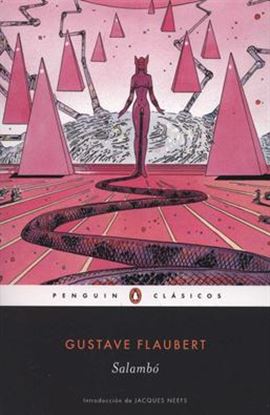
SALAMBO (PENGUIN) (BOL)
Los mejores libros jamás escritos. La novela Salambó (1862), cuya acción transcurre en el siglo III a.C., es una empresa de documentación y escritura a la que Gustave Flaubert consagró cinco años de su vida. El estudio de autores clásicos como Polibio, Plutarco o Plinio le ayudó a reconstruir la civilización cartaginesa y a recrear uno de los episodios bélicos más sangrientos del mundo antiguo: la guerra de los Mercenarios que, tras luchar en la Primera Guerra Púnica, se sublevaron contra Cartago por no recibir el pago prometido. Esta edición, que presentamos en una traducción coetánea -modernizada- que conserva todo el vigor del original, se abre con un estudio de Jacques Neefs de la Johns Hopkins University. La completan una cronología flaubertiana y un apéndice epistolar que refleja las condiciones de escritura del libro, la cordial contienda crítica que el autor sostuvo con Sainte-Beuve y la agria polémica que lo enfrentó al arqueólogo Wilhelm Froehner; todo ello sirve de muestra para definir el arte de la novela. «No habrá más que gritos de águilas y montones de ruinas. ¡Caerás, Cartago!»
900
900
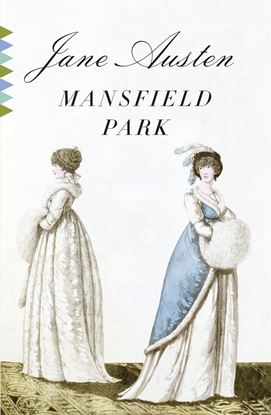
MANSFIELD PARK
Mansfield Park encompasses not only Jane Austen’s great comedic gifts and her genius as a historian of the human animal, but her personal credo as well—her faith in a social order that combats chaos through civil grace, decency, and wit.
At the novel’s center is Fanny Price, the classic “poor cousin,” brought as a child to Mansfield Park by the rich Sir Thomas Bertram and his wife as an act of charity. Over time, Fanny comes to demonstrate forcibly those virtues Austen most admired: modesty, firm principles, and a loving heart. As Fanny watches her cousins Maria and Julia cast aside their scruples in dangerous flirtations (and worse), and as she herself resolutely resists the advantages of marriage to the fascinating but morally unsteady Henry Crawford, her seeming austerity grows in appeal and makes clear to us why she was Austen’s own favorite among her heroines.
900
900
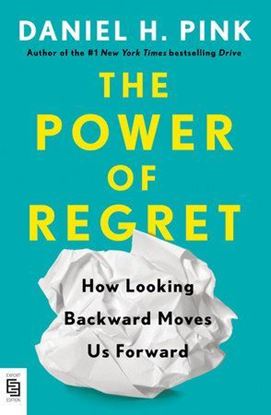
THE POWER OF REGRET
Everybody has regrets, Daniel H. Pink explains in The Power of Regret. They’re a universal and healthy part of being human. And understanding how regret works can help us make smarter decisions, perform better at work and school, and bring greater meaning to our lives.
Drawing on research in social psychology, neuroscience, and biology, Pink debunks the myth of the “no regrets” philosophy of life. And using the largest sampling of American attitudes about regret ever conducted as well as his own World Regret Survey—which has collected regrets from more than 15,000 people in 105 countries—he lays out the four core regrets that each of us has. These deep regrets offer compelling insights into how we live and how we can find a better path forward.
As he did in his bestsellers Drive, When, and A Whole New Mind, Pink lays out a dynamic new way of thinking about regret and frames his ideas in ways that are clear, accessible, and pragmatic. Packed with true stories of people's regrets as well as practical takeaways for reimagining regret as a positive force, The Power of Regret shows how we can live richer, more engaged lives.
900
900
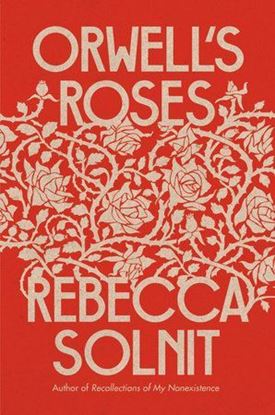
ORWELL'S ROSES
“In the year 1936 a writer planted roses.” So begins Rebecca Solnit’s new book, a reflection on George Orwell’s passionate gardening and the way that his involvement with plants, particularly flowers, and the natural world illuminates his other commitments as a writer and antifascist, and the intertwined politics of nature and power.
Sparked by her unexpected encounter with the surviving roses he planted in 1936, Solnit’s account of this understudied aspect of Orwell’s life explores his writing and his actions—from going deep into the coal mines of England, fighting in the Spanish Civil War, critiquing Stalin when much of the international left still supported him (and then critiquing that left), to his analysis of the relationship between lies and authoritarianism. Through Solnit’s celebrated ability to draw unexpected connections, readers encounter the photographer Tina Modotti’s roses and her Stalinism, Stalin’s obsession with forcing lemons to grow in impossibly cold conditions, Orwell’s slave-owning ancestors in Jamaica, Jamaica Kincaid’s critique of colonialism and imperialism in the flower garden, and the brutal rose industry in Colombia that supplies the American market. The book draws to a close with a rereading of Nineteen Eighty-Four that completes her portrait of a more hopeful Orwell, as well as a reflection on pleasure, beauty, and joy as acts of resistance.
900