

900
720
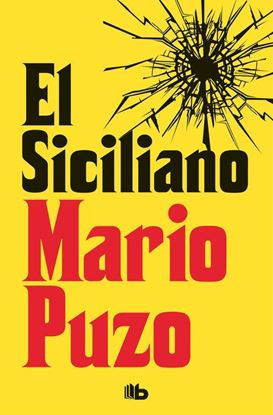
EL SICILIANO (BOL)
El siciliano es una biografía novelada de Giuliano y una incisiva descripción de la vida, las tradiciones y las complejas relaciones de poder en Sicilia. Corre el año 1950. El exilio de Michael Corleone en Palermo está a punto de acabar, y su padre, Don Vito, le ha encomendado una misión: debe volver a América con un hombre que se ha convertido en un mito popular, un forajido acosado por el Gobierno, las clases altas y la Mafia. Su nombre es Salvatore Giuliano, un moderno Robin Hood que, tras enfrentarse en su juventud a una patrulla de carabineri, se vio forzado a refugiarse en las montañas. Desde allí lucha por su patria y su gente, oprimida por la Cosa Nostra y la corrupción del Gobierno de Roma. Ahora, en esta neblinosa tierra de montañas y ruinas antiguas, el destino de Michael Corleone se verá hermanado con la leyenda de Salvatore Giuliano.
900
720
900
720
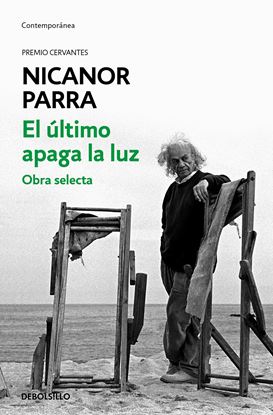
EL ULTIMO APAGA LA LUZ (BOL)
El último apaga la luz es una amplia y cuidada selección de la obra de quien, según Harold Bloom, «es incuestionablemente uno de los mejores poetas de Occidente». El libro abarca desde el inaugural Poemas y antipoemas -que se incluye íntegro- hasta los Discursos de sobremesa, pasando por Canciones rusas, Sermones y prédicas del Cristo de Elqui, Lear, rey & mendigo y Hojas de Parra -que por su centralidad en el proyecto antipoético también se incluye entero-, más algunos poemas dispersos como «Quédate con tu Borges» o el rap de «La Sagrada Familia». Seleccionados por Matías Rivas, los poemas que conforman esta obra selecta están pensados como el legado esencial de Nicanor Parra, una gran puerta de entrada para quienes no conozcan cabalmente la antipoesía y, a la vez, la mejor síntesis para quienes ya la admiran, la estudian o, simplemente, la leen con renovada pasión.
900
720
900
720
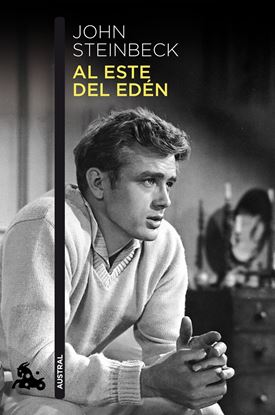
AL ESTE DE EDEN (AUSTRAL)
Al este del Edén, epopeya de resonancias bíblicas que inspiró la célebre película homónima dirigida por Elia Kazan y que contó con James Dean en el papel del mítico Cal Trask, narra las vicisitudes de dos familias a lo largo de tres generaciones, desde la guerra de Secesión hasta la segunda guerra mundial, en el lejano valle Salinas, en la California septentrional. Tras acompañar a la familia Hamilton a su épico asentamiento en la región, el lector penetra en el sofocante mundo de los Trask, en el que el severo Adam ?tras ser abandonado por su mujer, a quien nadie de la familia osa nombrar? intenta educar en el recto camino a sus hijos Cal y Aron, nuevos Caín y Abel, que entablan una pugna soterrada por el reconocimiento de su padre. Cuando Cal se siente extrañamente atraído por la misteriosa Cathy Adams, que regenta el burdel más célebre de la región, la maldición caerá sobre el joven, en adelante condenado a permanecer al este de un elusivo Edén.
900
720
900
720
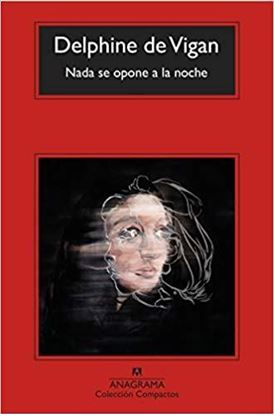
NADA SE OPONE A LA NOCHE (CM)
Después de encontrar a Lucile, su madre, muerta en misteriosas circunstancias, Delphine de Vigan se convierte en una sagaz detective dispuesta a reconstruir la vida de la desaparecida. Los cientos de fotografías tomadas durante años, la crónica de George, abuelo de Delphine, registrada en cintas de casete, las vacaciones de la familia filmadas en super ocho, o las conversaciones mantenidas por la escritora con sus hermanos, son los materiales de los que se nutre la memoria de los Poirier. Nos hallamos ante una espléndida, sobrecogedora crónica familiar en el París de los años cincuenta, sesenta y setenta, pero también ante una reflexión en el tiempo presente sobre la «verdad» de la escritura. En el transcurso del viaje de la cronista al pasado de su familia y a su propia infancia, irán aflorando los secretos más oscuros. Para la autora, escribir sobre su madre es cerrar heridas abiertas muchos años atrás, y recuperar la novela familiar es emprender un camino de catarsis y de superación del duelo, a la manera de Roland Barthes en sus escritos póstumos. Pero es también un ejercicio de alto riesgo, puesto que en el curso de esta investigación expone ante los miembros de su familia, como si ellos no fueran más que lectores anónimos en la multitud, su propio secreto más terrible. «Nada se opone a la noche la confirma como escritora contemporánea de referencia
Imprescindible» (Sònia Hernández, La Vanguardia). «Rezuma autenticidad» (Jesús Ferrero, El País). «Autenticidad desgarradora» (María Bengoa, El Correo Español). «Un retrato bello y perturbador, a veces delicado y a veces brutal, de una mujer que vivió la vida con la intensidad de quien está siempre al borde del abismo» (Eva Cosculluela, Heraldo de Aragón).
900
720
900
720
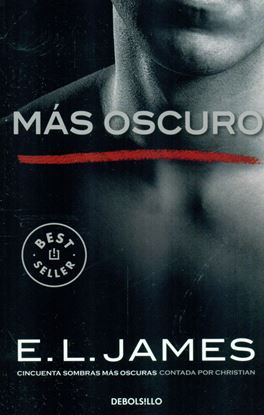
MAS OSCURO (GREY 2) (BOL)
Revive la pasión de Cincuenta sombras más oscuras a través de los ojos de Christian Grey. E.L. James vuelve a sumergirnos, con una mirada más oscura y profunda, en el universo de «Cincuenta sombras», la historia de amor que ha seducido a millones de lectores en todo el mundo. Aunque aquella ardiente y sensual relación acabó marcada por el sufrimiento y los reproches, Christian Grey no logra quitarse a Anastasia de la cabeza ni del corazón. Decidido a recuperarla y a amarla aceptando sus condiciones, intenta reprimir sus deseos más oscuros y la necesidad de tenerlo todo bajo control. Sin embargo, las pesadillas de la infancia no dejan de perseguirle y, además, el insidioso jefe de Ana, Jack Hyde, claramente la quiere para él. ¿Podrá el doctor Flynn, psicólogo y confidente de Christian, ayudarle a enfrentarse a sus propios fantasmas, o acabarán la posesiva y seductora maestra Elena y la perturbada Leila, su devota y anterior sumisa, arrastrando a Grey al pasado? Y si finalmente consigue recuperar a Ana, ¿será capaz, un hombre tan oscuro y lastimado, de retenerla a su lado?
900
720
900
720
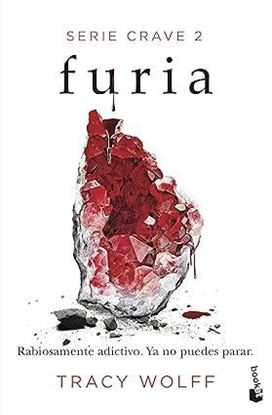
FURIA (SERIE CRAVE 2) (BOL)
He vuelto al instituto Katmere, pero me siento extraña, me atormentan cosas que no recuerdo haber vivido y sigo luchando por comprender quién o qué soy realmente. Cuando empiezo a sentirme segura de nuevo, Hudson reaparece con sus ideas de venganza, insiste en que hay secretos que no conozco, secretos que pueden abrir una brecha entre Jaxon y yo para siempre. Pero enemigos mucho peores nos están esperando…
Con el Círculo atrapado en una guerra de poder y la Corte Vampírica tratando de arrastrarme hacia su mundo, lo único que todos tenemos claro es que dejar el Katmere significaría mi muerte segura. Tengo que luchar, no solo por mi vida, sino por la de todos. Solo sé que salvar a las personas que amo requerirá sacrificios. Quizá más de lo que puedo dar.
900
720