

850
ENEMIES TO LOVERS
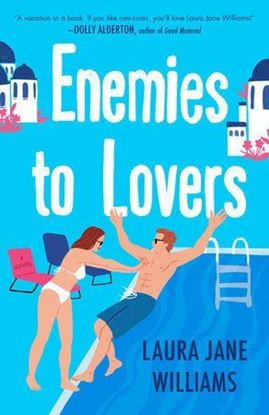
Ever since The Embarrassing Meltdown Incident, Flo has been on an enforced break from life. And the timing couldn’t be better, as her family sets off to Greece for their summer vacation.
Enter Jamie Kramer . . . literally. Broad, sun-kissed, and fitter than ever. Jamie is Flo’s brother’s best friend, and the person she wants to see least in the world. He’s also her family’s “adopted” son after he lost his parents at a young age.
Flo and Jamie hate each other. Except, Flo actually has a mortifying crush on Jamie, made infuriatingly stronger after The Christmas Incident. And nobody—least of all her family—can know. So, with two weeks of steamy outings, rocky boat trips, and sunshine on the horizon, Flo is going to have to fix the situation the only way she can think of: by spending time with him. What could possibly go wrong for the pair of Enemies to Lovers?
850

850
LOS VIAJES DE GULLIVER (PENGUIN)
Los viajes de Gulliver se publicó por primera vez en 1726, y tres siglos después mantiene toda su vigencia. Esta célebre novela satírica es a la vez un relato de aventuras y una artera reflexión filosófica sobre la constitución de las sociedades modernas. Los encuentros del naufragante Lemuel Gulliver con los minúsculos liliputienses, los gigantes brobdingnagianos, los filosóficos houyhnhnms y los brutos yahoos harán que el protagonista, como el lector, abra los ojos a la cruda y verdadera naturaleza humana.
850

850
CROOK MANIFESTO
It’s 1971. Trash piles up on the streets, crime is at an all-time high, the city is careening towards bankruptcy, and a shooting war has broken out between the NYPD and the Black Liberation Army. Amidst this collective nervous breakdown furniture store owner and ex-fence Ray Carney tries to keep his head down and his business thriving. His days moving stolen goods around the city are over. It’s strictly the straight-and-narrow for him until he needs Jackson 5 tickets for his daughter May and he decides to hit up his old police contact Munson, fixer extraordinaire. But Munson has his own favors to ask of Carney and staying out of the game gets a lot more complicated and deadly.
850
850
DO TELL (MREXP)
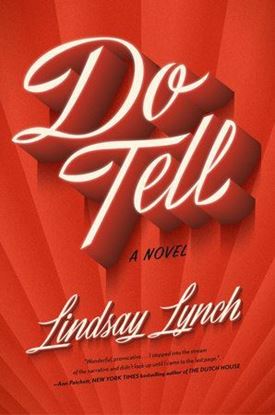
As character actress Edie O'Dare finishes the final year of her contract with FWM Studios, the clock is ticking for her to find a new gig after an undistinguished stint in the pictures. She's long supplemented her income moonlighting for Hollywood's reigning gossip columnist, providing her with the salacious details of every party and premiere. When an up-and-coming starlet hands her a letter alleging an assault from an A-list actor at a party with Edie and the rest of the industry’s biggest names in attendance, Edie helps get the story into print and sets off a chain of events that will alter the trajectories of everyone involved.
850

850
HER LITTLE FLOWERS
Francine Thwaite has lived all her fifty-five years in her family’s ancestral home, a rambling Elizabethan manor in England’s Lake District. No other living soul resides there, but Francine isn’t alone. There are ghosts in Thwaite Manor, harmless and familiar. Most beloved is Bree, the mischievous ghost girl who has been Francine’s companion since childhood.
When Francine’s estranged sister, Madeleine, returns to the manor after years away, she brings with her a story that threatens everything Francine has always believed. It is a tale of cruelty and desperation, of terror and unbearable heartache. And as Francine learns more about the darkness in her family’s past—and the role she may have played in it—she realizes that confronting the truth may mean losing what she holds most dear.
850
850
AMERICAN MERMAID (MR EXP)
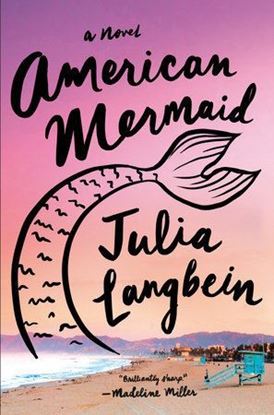
Broke English teacher Penelope Schleeman is as surprised as anyone when her feminist novel American Mermaid becomes a best-seller. Lured by the promise of a big payday, she quits teaching and moves to L.A. to turn the novel into an action flick with the help of some studio hacks. But as she's pressured to change her main character from a fierce, androgynous eco-warrior to a teen sex object in a clamshell bra, strange things start to happen. Threats appear in the screenplay; siren calls lure Penelope’s co-writers into danger. Is Penelope losing her mind, or has her mermaid come to life, enacting revenge for Hollywood’s violations?
American Mermaid follows a young woman braving the casual slights and cruel calculations of a ruthless industry town, where she discovers a beating heart in her own fiction, a mermaid who will fight to move between worlds without giving up her voice. A hilarious story about deep things, American Mermaid asks how far we’ll go to protect the parts of ourselves that are not for sale.
850