


1,750
OBRA COMPLETA
Entre las principales figuras de la poesía medieval destaca el francés François Villon, autor de dos largos poemas: El legado y el monumental Testamento (de más de 2000 versos) donde deforma los valores caballerescos para dar voz a vagabundos y delincuentes, carne de presidio y de patíbulo, para que ofrezcan una visión burlesca, obscena y al límite de su experiencia, mediante un verso directo, muy expresivo. Nuestra edición incluye también poemas de los predecesores de Villon como Rutebeuf o Charles d’Orléans, que permiten tomar el pulso a la época medieval. Con la excelente traducción de Vicente Monroy este libro nos ayuda a sumergirnos en la siempre cercana y a menudo desconocida poesía medieval.
1,750

1,750
LA CASA DE AL LADO
LA CASA ENCANTADA MÁS SOBRECOGEDORA DEL GÓTICO SUREÑO.
En las afueras de Atlanta, la vida acomodada del joven matrimonio Kennedy se ve perturbada cuando comienzan a construir una magnífica casa en la finca vecina. Incluso antes de estar acabada, se convierte en escenario de varios accidentes y desgracias. Cuando todas esas fatalidades aumentan, los Kennedy empiezan a sospechar que ya no es producto de la mala suerte, sino que la casa encierra algo maligno.
1,750

1,750
GUARDIANA
Chieh presencia cómo su cuñada, obsesionada con dar a luz a un hijo varón, cede ante las supersticiones por la presión social de dar a la familia un heredero. Ella también siente la presión de casarse ¿llegará el día en el que consigan liberarse?
Un día, mientras camina junto al río, se encuentra con el cuerpo de una mujer. Las autoridades hacen llamar a una sacerdotisa para asegurarse de que su espíritu descanse en paz y no atormente al pueblo. La mujer, con sus misteriosos dones, parece realmente capaz de comunicarse con el mundo de los espíritus, y Chieh, al ver un rayo de esperanza, decide que va a convertirse en su aprendiz.
Pero poco después, comienzan a aparecer marcas de pequeñas manos en sus piernas mientras duerme, y más mujeres desaparecen o son halladas muertas. ¿Qué hará Chieh? ¿Logrará encontrar la vida que desea?
En el Taiwán de principios del siglo XX, la felicidad de una mujer casada dependía de tener un hijo varón. Lograrlo se convertía en una obsesión que implicaba diversos rituales. Nownow combina folclore e historia para recrear el día a día de las mujeres durante la dinastía Qing, dibujando hermosamente la belleza y la tragedia de sus vidas.
1,750

1,750
LA VIUDA
Simon Latch es un modesto abogado de Virginia que gana lo justo para pagar sus facturas mientras contempla cómo su matrimonio se desmorona poco a poco. Hasta el día en que entra en su despacho Eleanor Barnett, una anciana que necesita redactar un nuevo testamento. Según relata, su marido le dejó una pequeña fortuna de la que nadie sabe nada.
Ahora que Simon ha conseguido a la clienta más adinerada de toda su carrera, el abogado debe trabajar con discreción para mantener su riqueza oculta. Pero pronto la historia de la anciana empieza a resquebrajarse. Y cuando es hospitalizada tras un accidente de coche, Simon se da cuenta de que nada es lo que parece. No solo eso. Simon se enfrenta a un juicio por un delito que jura no haber cometido: asesinato.
Él sabe que es inocente. Pero también que las pruebas circunstanciales están en su contra y que podría pasar el resto de su vida entre rejas. Para salvarse, debe encontrar al verdadero asesino...
1,750
1,750
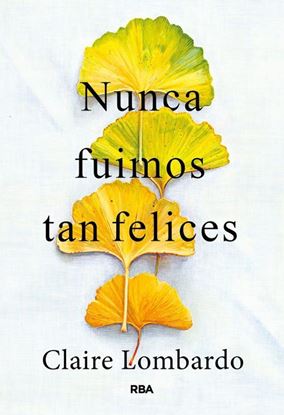
NUNCA FUIMOS TAN FELICES
Madeline Miller , autora del best seller internacional Circe
Marilyn Conolly y David Sorenson se enamoraron en los años setenta. Para 2016, tienen cuatro hijas, cada una de ellas más opuesta a la anterior, todas atravesando sus propias crisis existenciales. Wendy se ha quedado viuda joven, se refugia en el alcohol y en relaciones esporádicas con hombres aún más jóvenes; Violet fue abogada, ahora es madre a tiempo completo y batalla con la ansiedad; Liza acaba de conseguir su plaza como profesora cuando queda embaraza de un hombre al que no sabe si ama; y Grace, la menor, vive una mentira que nadie en la familia sospecha.
Con la llegada de Jonah Bendt, que fue dado en adopción quince años atrás por una de las hermanas, los Sorenson se verán obligados a enfrentar el entramado tapiz de su pasado, uno marcado por los fantasmas de la adolescencia, las infidelidades y los resentimientos; pero también se encontrarán con esos pequeños momentos de alegría que hacen que todo lo demás valga la pena.
1,750

1,750
LA FABRICACION DE UN CRIMEN
La madrugada del 12 de julio de 2005 un joven empresario desapareció en extrañas circunstancias en la Ciudad de Mexico. Su familia aseguró de inmediato que había sido víctima de un secuestro y, con el paso de los meses, las calles se llenaron de anuncios espectaculares llamando a la población para que ayudara a localizar a los plagiarios.á Esta es la historia de un duelo fabricado que se convirtió en un descarado circo mediático; el mito de una madre que, bajo la fachada de una mujer devastada, torció los hechos para ganar notoriedad e influencia, mientras destruía la vida de muchas personas inocentes.á Ricardo Raphael explora la paradoja que significa que una persona pueda ser víctima y victimaria al mismo tiempo: una manipulación de la realidad que sucede si la verdad se subordina a la política y si las instancias responsables de impartir justicia son sustituidas por un increíble entramado de corrupción, crueldad y tráfico de influencias.
1,750