

800
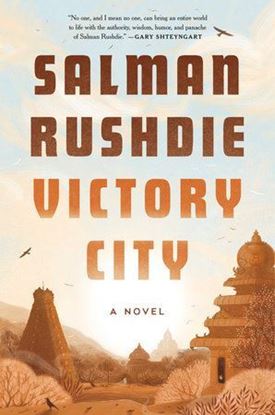
VICTORY CITY
In the wake of an unimportant battle between two long-forgotten kingdoms in fourteenth-century southern India, a nine-year-old girl has a divine encounter that will change the course of history. After witnessing the death of her mother, the grief-stricken Pampa Kampana becomes a vessel for a goddess, who begins to speak out of the girl’s mouth. Granting her powers beyond Pampa Kampana’s comprehension, the goddess tells her that she will be instrumental in the rise of a great city called Bisnaga—“victory city”—the wonder of the world.
Over the next 250 years, Pampa Kampana’s life becomes deeply interwoven with Bisnaga’s, from its literal sowing from a bag of magic seeds to its tragic ruination in the most human of ways: the hubris of those in power. Whispering Bisnaga and its citizens into existence, Pampa Kampana attempts to make good on the task that the goddess set for her: to give women equal agency in a patriarchal world. But all stories have a way of getting away from their creator, and Bisnaga is no exception. As years pass, rulers come and go, battles are won and lost, and allegiances shift, the very fabric of Bisnaga becomes an ever more complex tapestry—with Pampa Kampana at its center.
800

800
AMOR (DB) (BOL)
«Mi vida sexual comenzó temprano, más o menos a los cinco años, en el kindergarten de las monjas ursulinas, en Santiago de Chile.» Con estas palabras, Isabel Allende inicia este compendio sobre amor y eros compuesto por fragmentos escogidos de sus obras, que esbozan a través de sus personajes la propia trayectoria vital de la autora.
Si hay alguien capaz de describir con maestría, personalidad y humor la naturaleza caprichosa del amor, es Isabel Allende. Esta recopilación de escenas de amor, seleccionadas de entre sus libros, son una invitación a sumergirse en la lectura, soñar y sonreír.
800
800
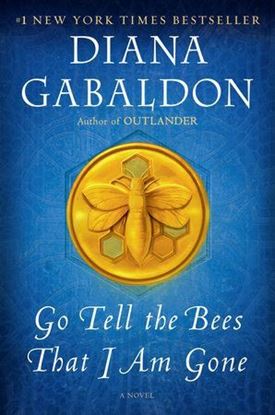
GO TELL THE BEES THAT I AM GONE
War leaves nobody alone. Neither the past, the present, nor the future offers true safety, and the only refuge is what you can protect: your family, your friends, your home.
Jamie Fraser and Claire Randall were torn apart by the Jacobite Rising in 1746, and it took them twenty years of loss and heartbreak to find each other again. Now it’s 1779, and Claire and Jamie are finally reunited with their daughter, Brianna, her husband, Roger, and their children, and are rebuilding their home on Fraser’s Ridge—a fortress that may shelter them against the winds of war as well as weather.
But tensions in the Colonies are great: Battles rage from New York to Georgia and, even in the mountains of the backcountry, feelings run hot enough to boil Hell’s teakettle. Jamie knows that loyalties among his tenants are split and it won’t be long before the war is on his doorstep.
Brianna and Roger have their own worry: that the dangers that provoked their escape from the twentieth century might catch up to them. Sometimes they question whether risking the perils of the 1700s—among them disease, starvation, and an impending war—was indeed the safer choice for their family.
800
800
EL ENCUENTRO ABSOLUTO
Daisy Zamora (Managua, Nicaragua, 1950) es una de las poetas más excepcionales del panorama latinoamericano actual. Graduada en Psicología y Psicopedagogía por la Universidad Centroamericana, fue combatiente durante la revolución nicaragüense, participó en el operativo de la toma del Palacio Nacional, ejerció como directora de programación y locutora en la clandestina Radio Sandino y más tarde fue viceministra de cultura de su país. Su obra ha sido premiada en Nicaragua e internacionalmente, está traducida a más de treinta idiomas e incluida en The Oxford Book of Latin American Poetry. La antología de su poesía La violenta espuma (2017) fue publicada en esta misma colección. «Los poemas de Daisy Zamora deslumbran por su hermosa rebeldía, su afilada ironía y su ingenio lírico que va de la crónica a la elegía al epigrama.
800
800
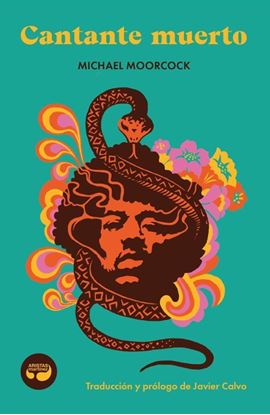
CANTANTE MUERTO
Un viaje sin rumbo. Una tonelada de drogas. El Mountain Grill. La gloria del rock. La sobredosis en el sótano. Y la idea persistente de alguien que camina estando ya muerto. Estos son los ingredientes que usa Michael Moorcock en su relato Cantante muerto. Cuento de fantasmas. Alucinación drogadicta. Fantasía macabra. Tras una gira, Shakey Mo, pipa de bandas de rock de los 70 como Hawkwind o Deep Fix se encuentra con Jimi Hendrix resucitado. Juntos viajan sin rumbo fijo en una autocaravana por el norte de Inglaterra mientras charlan sobre la lamentable situación del rock and roll y si hay alguna esperanza para su futuro. Con la publicación en 1974 de A Dead Singer, Michael Moorcock, referente de la nueva ola británica de ciencia ficción y uno de los 50 mejores escritores británicos de la segunda mitad del S. XX (The Times), arrancaba de su tumba al fantasma de una década muerta de forma trágica y lo colocaba en la siguiente, en un acto que sirvió para mostrar a un Hendrix horrorizado por el legado de su generación.
800
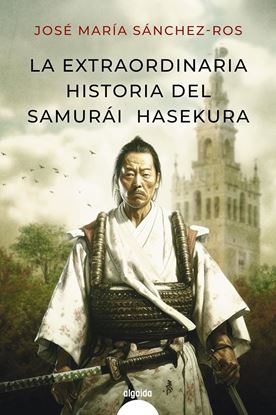
800
LA EXTRAORDINARIA HISTORIA DEL SAMURAI
En 1614, una embajada japonesa llega a Sevilla y el samurái Hasekura dirige la expedición a la que acompaña un sevillano, el franciscano Luis Sotelo. El propósito de la embajada era abrir una ruta de comercio entre Japón y España, y conseguir para los franciscanos un segundo obispado. Cuando la embajada se encuentra en Europa arrecia la persecución de los cristianos en Japón. Hasekura se bautiza en Madrid en presencia del rey Felipe III y es recibido en Roma por el papa Paulo V. No obstante, la poca representatividad de la embajada y los informes desfavorables que llegan al Consejo de Indias obligan a Hasekura y a Sotelo a un difícil regreso, sin haber conseguido nada.
800