

300
EL MAGO DE OZ (EDIMAT) (TB) (LM)
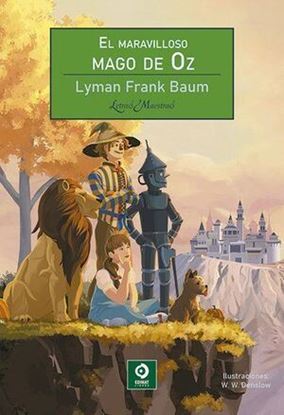
El maravilloso mago de Oz (The Wonderful Wizard of Oz). Ha sido uno de los libros más editados tanto en EE. UU. como en Europa. Lo que sí debe destacarse es que fue el primer libro de cuentos infantiles con personajes y lugares típicos de EE. UU. en una época en la que todos los cuentos infantiles describian paisajes y personajes europeos. La novela, que narra las aventuras de una muchacha llamada Dorothy Gale en la tierra de Oz, es una de las historias más conocidas de la cultura popular norteamericana y se ha traducido a muchos idiomas.
L. FRANK BAUM, nació el 15 de mayo de 1856 en la población de Chitternango, muy cercana a Nueva York, en el seno de una familia devota de la religión metodista. Frank Baum empezó a escribir desde muy niño, su producción abarca, además de los catorce libros con la temática Oz, cincuenta y cinco novelas, otras nueve novelas de literatura fantástica, cincuenta cuentos con su nombre, otros veintinueve cuentos con seudónimos, ochenta y dos relatos cortos, más de doscientos poemas y un número desconocido de guiones cinematográficos. Cabe destacar que en sus libros aparecen anticipaciones de cosas como la televisión, la realidad aumentada, los ordenadores portátiles y los teléfonos sin cable. Baum murió el 6 de mayo de 1919, a los sesenta y dos años de edad, y fue enterrado en Glendale, en el condado de Los Ángeles, en el Estado de California.
300

1,650
MI NOMBRE ES EMILIA DEL VALLE (TD) (ES)
Una inolvidable historia de amor y de guerra protagonizada por una mujer que, enfrentada a los mayores desafíos, sobrevive y se reinventa.
San Francisco, 1866: una monja irlandesa, embarazada y abandonada por un aristócrata chileno tras una apasionada relación, da a luz a una niña a la que llama Emilia del Valle. Criada por su cariñoso padrastro, Emilia se convertirá en una joven brillante de gran personalidad, autónoma e independiente, que desafiará las normas sociales de su tiempo para profesar su verdadera pasión
1,650

1,350
LOS SEDUCTORES
4 de agosto de 1962. Los Ángeles está que hierve, en medio de una intensa ola de calor. Una estrella de cine B ha sido secuestrada en extrañas circunstancias. Y acaban de encontrar el cuerpo sin vida de Marilyn Monroe. ¿Sobredosis, suicidio, asesinato? El jefe de policía William H. Parker pone sobre la pista a Freddy Otash, expolicía corrupto y extorsionador, que no tardará en intuir que ambos casos están relacionados. Pero, si quiere salvar su propio pellejo no puede limitarse a descubrir la verdad: deberá encontrar pruebas que alejen a los Kennedy de los rumores de asesinato.
1,350

1,400
EL TERCER AMOR
Una delicada historia sobre deseo y desamor por la gran autora japonesa ganadora de los premios Akutagawa,Ito Sei o Tanizaki que conquistó a miles de lectores con El cielo es azul, la tierra blanca.
"Hiromi Kawakami: las cosas sencillas son melancólicas. Bellamente melancólicas, como el sol que derrite la nieve, sin dejar huella de ella".Hector Abad Faciolince
Despues de casarse con su amor de infancia, Riko se encuentra atrapada en una relación amargada por la infidelidad. Un día, por casualidad, se encuentra con un viejo amigo, el señor Takaoka, que le ofrece amistad, amor y una extraña evasión: vivir una vida paralela en sus sueños. Así, cada noche vive otra vida: primero, como una cortesana de alto rango del siglo XVII, y, despues, como la sirvienta de una princesa en la Edad Media tardía. Mientras experimenta el deseo y el desengaño en el pasado, Riko reconsidera su vida como una mujer del siglo XXI, como esposa, madre y amante, y se pregunta a sí misma si, despues de amar a su marido y al señor Takaoka, está preparada para su tercer gran amor.
1,400

1,450
ESCALERA INTERIOR
Escalera interior es el murmullo de los patios de luces que recogen olores de guisos, ruidos de cacharros y cucharones, risas, confidencias susurradas a media voz, buenos días y buenas noches que se intercambian en el rellano; es el murmullo que recoge nuestra rutina, la de la gente de a pie, en esas realidades pequeñas que son las que esconden las grandes historias. Las que, durante años, Almudena Grandes imaginó y regaló a sus lectores en El País Semanal, donde, cada quince días, a veces como narraciones, otras como escenas, y otras más como crónicas, levantaba personajes, vidas que merecían ser contadas.
1,450
1,450
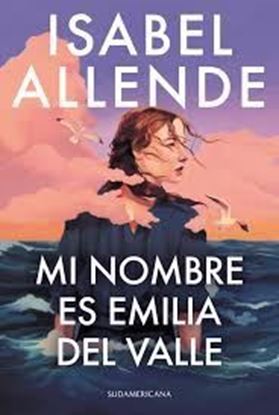
MI NOMBRE ES EMILIA DEL VALLE (TB) (ARG)
Una inolvidable historia de amor y de guerra protagonizada por una mujer que, enfrentada a los mayores desafios, sobrevive y se reinventa. San Francisco, 1866: una monja irlandesa, embarazada y abandonada por un aristocrata chileno tras una apasionada relacion, da a luz a una niña a la que llama Emilia del Valle. Criada por su cariñoso padrastro, Emilia se convertira en una joven brillante de gran personalidad, autonoma e independiente, que desafiara las normas sociales de su tiempo para profesar su verdadera pasion y vocacion: la escritura. Con tan solo diecisiete años, publicara novelas de aventuras bajo un pseudonimo masculino. Pero, enseguida, su mundo ficticio se le quedara pequeño y decidira optar al puesto de periodista que se le ofrece en el periodico local para vivir de cerca la realidad. Tiempo despues, se le presentara la oportunidad de viajar como corresponsal a la ferviente guerra civil en Chile y no dudara en tomarla. Junto al avezado periodista Eric Whelan, Emilia se encontrara una nacion en quiebra, al borde del abismo. Mientras cubre el conflicto belico entre el presidente Balmaceda y el congreso rebelde, aprovechara la estancia en el pais para explorar sus vinculos con la familia Del Valle y poder, al fin, conocer a su padre. Sus reportajes la situaran en el centro de la guerra, soportando situaciones de terrible violencia en el campo de batalla, en el hospital de sangre y en la carcel, donde varias veces se debatira entre la vida y la muerte. Al tiempo, vivira -y sufrira- el amor y conocera tambien, entre bosques, lagos y volcanes, una tierra donde no llega el horror de la guerra y donde, tal vez, acabe descubriendo no solo su destino sino su propia identidad. Una cautivadora e inolvidable historia de amor y de guerra, de descubrimiento y redencion, protagonizada por una mujer que, enfrentada a los mayores desafios, sobrevive y se reinventa. Emilia del Valle es desde ya un personaje inolvidable del universo mas fertil de Isabel Allende, la saga Del Valle, que empezo con su obra maestra La casa de los espiritus y continuo con Hija de la fortuna y Retrato en sepia.
1,450

1,995
LOS LOBOS DEL BOSQUE DE LA ETERNIDAD
Una obra vasta y atrevida sobre los secretos de familia y los misterios del universo.
Es 1986, ha habido una explosión en la central de Chernóbil, y Syvert Løyning, de diecinueve años, acaba de volver del servicio militar. En casa, en el norte de Noruega, lo esperan su madre y su hermano. De su padre, de quien tomó el nombre, y que murió cuando él era pequeño, solo le queda el recuerdo. Un recuerdo que, a medida que las noticias de Chernóbil se vuelven más inquietantes, no hará más que crecer: un día su padre se le aparecerá en sueños, despertando una curiosidad que hasta entonces no había tenido, y que se volverá más intensa tras el hallazgo de unas cartas que apuntan hacia la Unión Soviética.
Muchos años después, con la Unión Soviética ya desaparecida, la bióloga evolutiva Alevtina Kotov también va al encuentro de su familia: es el ochenta cumpleaños de su padrastro, el hombre que la crió, y ella y su hijo se disponen a celebrarlo con él. Al contrario que para Syvert, su padre biológico no es un recuerdo lejano: es un completo enigma, que Alevtina nunca se ha molestado en desentrañar. Pero en las clases que da en la Universidad de Moscú no reconoce a la científica que pudo haber sido, y la frustración que siente la llevará a indagar en territorios nuevos. Cuando se adentre en los de su origen, un hilo se tenderá entre espacios y tiempos, uniendo la Noruega de los ochenta y la Rusia de hoy en un despliegue de revelaciones.
1,995

850
ISLA CON MADRE
Un hijo, una madre. Ella, joven todavía, ha enfermado. Intercambiando roles, él la cuida y, a la vez, se despide y la celebra. Todas y cada una de las palabras de este libro resuenan con temblor, intensidad y precisión, delimitando el dolor compartido con respeto amoroso. De hondura lírica y delicada sobriedad: así se revela su escritura. También su silencio.
Andrés Neuman escribió estos poemas en secreto, cuidando de su madre frente a la proximidad de la muerte: la poesía como testimonio y refugio para crear un espacio —una isla de sentido— donde fijar la presencia amada, traduciendo su cuerpo a una música íntima. Aquellos textos permanecieron al fondo de un cajón, garabateados en hojas sueltas y papeles de hospital, sin que su autor se atreviese a releerlos. Quince años más tarde, impulsado por la intuición de que sólo abriendo el manuscrito resultaría posible cerrar el duelo, hoy rescata estos versos que entretejen tristeza y luminosidad.
Perpetuación de la madre mediante la lengua materna, ritual de gratitud, Isla con madre se arroja a nombrar la difícil belleza y la cruda emoción que irradia.
850
1,350
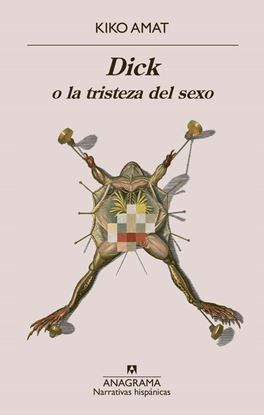
DICK O LA TRISTEZA DEL SEXO
La novela más bestial, conmovedora e hilarante que se ha escrito sobre el despertar sexual de un adolescente.
Dick Loveman es un galán espaciotemporal que vive todo tipo de peripecias lujuriosas a través de los siglos. Por desgracia, Dick solo existe en la cabeza de Franki Prats, un quinceañero católico, virgen y erotizado, a quien atormentan la propia imaginación y los «placeres solitarios». Durante cuatro meses de su vida, Franki, ayudado por su mejor ―único― amigo Bruno Berniola, alias el sexperto, atravesará una variopinta serie de pruebas eróticas (oníricas, familiares, amicales, incluso zoológicas) mientras lucha contra los traumas del pasado y la escuálida realidad de su pueblo natal.
1,350