

995
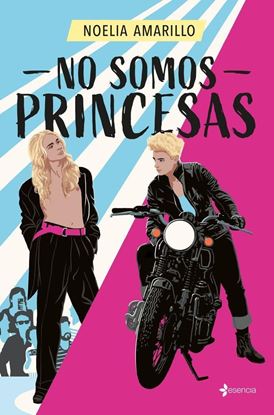
NO SOMOS PRINCESAS
Desde niño, Sabino, conocido como Sardi por sus amigos, ha luchado por ser quien quiere ser. Su carrera como modelo de pasarela para colecciones femeninas no le ha facilitado la vida. Ser un hombre heterosexual en un mundo donde su belleza y feminidad confunden o intimidan a las mujeres complica su búsqueda del amor.
Sinaí, por su parte, lleva tantos años herida que ya ni siquiera se da cuenta de que lo está. Es agresiva, visceral e impredecible. Hay un fuego en su interior que la consume y que solo consigue sofocar con peleas o con sexo impetuoso, salvaje y variado. No es de las que repiten amante. Le gustan los hombres rudos, moteros como ella, con pinta de malotes y alérgicos al amor.
995
1,350
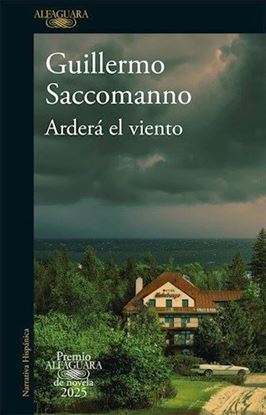
ARDERA EL VIENTO (PA 25) (AR)
«Desde el principio supimos que la unión entre esos dos no era la recomendable para armar una familia como todos los que venían a la Villa».
Un extraño matrimonio llega a un pueblo de la costa, con un pasado incierto detrás y la determinación de instalarse en el lugar. Comprar el Hotel Habsburgo será algo que nadie olvidará. En poco tiempo, ese noble húngaro dedicado al arte, esa mujer sensual que lleva adelante el negocio, y sus dos hijos aún más extraños que ellos, se irán volviendo de manera imperceptible, pero definitiva, el hilo que enhebra la miseria, la corrupción y las bajezas de todos los pobladores. Narrada por una voz profundamente literaria, Arderá el viento permite oír la conciencia que late en toda ciudad pequeña, y es capaz de capturar el horror en la vida de una villa de mar y la belleza que todavía anida en ella. Guillermo Saccomanno se apropia de un territorio, de sus habitantes, de su pasado y de sus secretos, para mostrar ese entramado de complicidad entre la política, el narco, la policía y el periodismo, en medio del cual las personas corrientes sobreviven a su propia existencia.
1,350
1,650
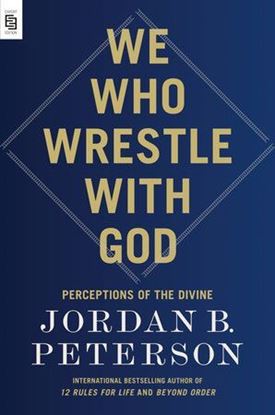
WE WHO WRESTLE WITH GOD
In We Who Wrestle with God, Dr. Peterson guides us through the ancient, foundational stories of the Western world. In riveting detail, he analyzes the Biblical accounts of rebellion, sacrifice, suffering, and triumph that stabilize, inspire, and unite us culturally and psychologically. Adam and Eve and the eternal fall of mankind; the resentful and ultimately murderous war of Cain and Abel; the cataclysmic flood of Noah; the spectacular collapse of the Tower of Babel; Abraham’s terrible adventure; and the epic of Moses and the Israelites. What could such stories possibly mean? What force wrote and assembled them over the long centuries? How did they bring our spirits and the world together, and point us in the same direction?
1,650
1,350
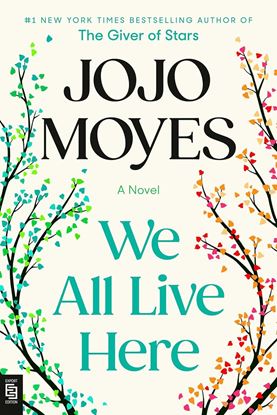
WE ALL LIVE HERE
Lila Kennedy has a lot on her plate. A broken marriage, two wayward daughters, a house that is falling apart, and an elderly stepfather who seems to have quietly moved in. Her career is in freefall and her love life is . . . complicated. So when her real dad—a man she has barely seen since he ran off to Hollywood thirty-five years ago—suddenly appears on her doorstep, it feels like the final straw. But it turns out even the family you thought you could never forgive might have something to teach you: about love, and what it actually means to be family.
1,350
1,300
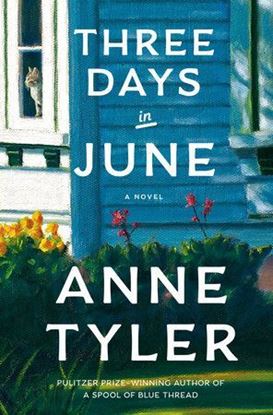
THREE DAYS IN JUNE
Gail Baines is having a bad day. To start, she loses her job—or quits, depending on whom you ask. Tomorrow her daughter Debbie is getting married, and she hasn’t even been invited to the spa day organized by the mother of the groom. Then, Gail’s ex-husband Max arrives unannounced on her doorstep, carrying a cat, without a place to stay and without even a suit.
But the true crisis lands when Debbie shares with her parents a secret she has just learned about her husband-to-be. It will not only throw the wedding into question but also stir up Gail and Max’s past.
Told with deep sensitivity and a tart sense of humor, full of the joys and heartbreaks of love and marriage and family life, Three Days in June is a triumph, and gives us the perennially bestselling, Pulitzer Prize-winning writer at the height of her powers.
1,300

900
TEMPLE OF SWOON
While her mentor may be the world’s most badass archaeologist, the only thing bad about Dr. Miriam Jacobs are her corny jokes. But when Miri is charged with leading an unmapped expedition through the Amazon for the fabled Lost City of the Moon, she finally has her chance to prove to her colleagues that she’s capable—and hopefully prove it to herself, too.
Journalist Rafael Monfils has joined the archaeological team to chronicle their search for the lost city. Or at least, that’s what they think he’s doing. Rafa’s real goal? Make sure the team does not reach the Cidade da Lua, stopping the desecration of the holy city and protecting his mother’s legacy. All he needs to do is keep them on the wrong path.
900
1,750
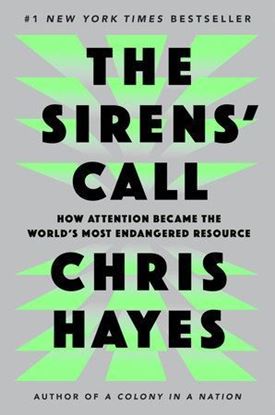
THE SIRENS' CALL
We all feel it—the distraction, the loss of focus, the addictive focus on the wrong things for too long. We bump into the zombies on their phones in the street, and sometimes they’re us. We stare in pity at the four people at the table in the restaurant, all on their phones, and then we feel the buzz in our pocket. Something has changed utterly: for most of human history, the boundary between public and private has been clear, at least in theory. Now, as Chris Hayes writes, “With the help of a few tech firms, we basically tore it down in about a decade.” Hayes argues that we are in the midst of an epoch-defining transition whose only parallel is what happened to labor in the nineteenth century: attention has become a commodified resource extracted from us, and from which we are increasingly alienated. The Sirens’ Call is the big-picture vision we urgently need to offer clarity and guidance.
1,750
1,300
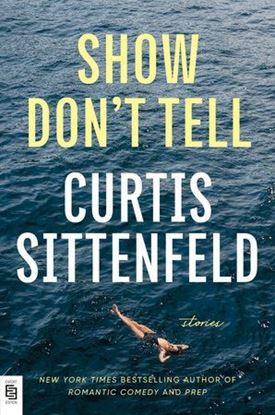
SHOW DON'T TELL
In her second story collection, Sittenfeld shows why she’s as beloved for her short fiction as she is for her novels. In these dazzling stories, she conjures up characters so real that they seem like old friends, laying bare the moments when their long held beliefs are overturned.
In “The Patron Saints of Middle Age,” a woman visits two friends she hasn’t seen since her divorce. In “A for Alone,” a married artist embarks on a creative project intended to disprove the so-called Mike Pence Rule, which suggests that women and men can’t spend time alone together without lusting after each other. And in “Lost but Not Forgotten,” Sittenfeld gives readers of her novel Prep a window into the world of her beloved character Lee Fiora, decades later, when Lee attends an alumni reunion at her boarding school.
Hilarious, thought-provoking, and full of tenderness for her characters, Sittenfeld’s stories peel back layer after layer of our inner lives, keeping us riveted to the page with her utterly distinctive voice.
1,300
1,450
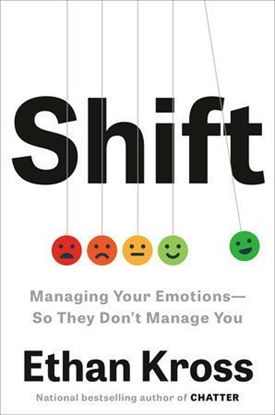
SHIFT
Whether it’s anxiety about going to the doctor, boiling rage when we’re stuck in traffic, or devastation after a painful break-up, our lives are filled with situations that send us spiraling. But as difficult as our emotions can be, they are also a superpower. Far from being “good” or “bad,” emotions are information. When they’re activated in the right ways and at the right time, they function like an immune system, alerting us to our surroundings, telling us how to react to a situation, and helping us make the right choices.
1,450