
1,250
DAMISELA
Una damisela en apuros coge al dragón por los cuernos en esta épica novela de fantasía que le da la vuelta a los clichés de los cuentos clásicos.
Esta historia, basada en un guion original de Dan Mazeau, es la próxima gran adaptación de Netflix,protagonizada por la estrella de Stranger Things y Enola Holmes, Millie Bobby Brown.
1,250
1,250
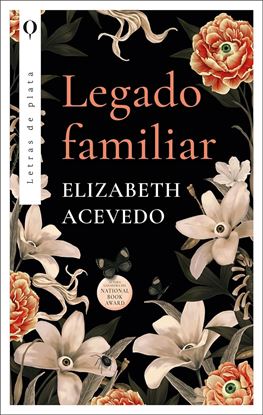
LEGADO FAMILIAR
Flor tiene un don: puede predecir el día que morirá alguien. Así que, cuando anuncia que quiere organizar un velatorio en vida -una fiesta que reúna a su familia y a la comunidad para celebrar la larga vida que ha tenido-, sus hermanas se sorprenden. ¿Acaso Flor ha previsto su propia muerte o la de alguien más? ¿Tendrá otros motivos? En cualquier caso, se niega a decírselo a sus hermanas, Matilde, Pastora y Camila.
Sin embargo, Flor no es la única que guarda secretos: sus hermanas también tienen los suyos. Y la siguiente generación, las primas Ona y Yadi, también deberán enfrentarse a sus propios problemas.
1,250
1,150
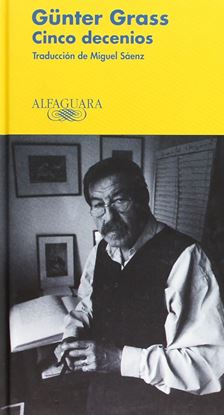
CINCO DECENIOS
Günter Grass narra cincuenta años de su vida, desde sus comienzos como picapedrero en Düsseldorf, en 1946, hasta la recepción del premio Nobel de Literatura en Estocolmo, en 1999.
Medio siglo de un actividad desmesurada -poesía, novela, teatro, esculturas, grabados, acuarelas- que hace pensar si el verdadero genio no será en definitiva más que una inmensa capacidad de trabajo. Nunca había sido Grass tan autobiográfico y sencillo, ni se había mostrado tan accesible.
Poemas inéditos, fotos y dibujos olvidados ilustran un libro que solo puede calificarse de imprescindible para saber quién es realmente Grass.
La crítica ha dicho:
«Un autor que une a sus grandes condiciones literarias una actitud ética ante la vida que lo inclina a revelar la hipocresía y los intereses ruines del poder a lo largo de la historia.»
Ernesto Sábato
1,150

1,100
TOM JONES
Tom, a foundling, is discovered one evening by the benevolent Squire Allworthy and his sister Bridget and brought up as a son in their household; when his sexual escapades and general misbehavior lead them to banish him, he sets out in search of both his fortune and his true identity. Amorous, high-spirited, and filled with what Fielding called “the glorious lust of doing good,” but with a tendency toward dissolution, Tom Jones is one of the first characters in English fiction whose human virtues and vices are realistically depicted. This edition is set from the text of the Wesleyan Edition of the Works of Henry Fielding.
1,100

700
TRUE BIZ
True biz? The students at the River Valley School for the Deaf just want to hook up, pass their history finals, and have politicians, doctors, and their parents stop telling them what to do with their bodies. This revelatory novel plunges readers into the halls of a residential school for the deaf, where they’ll meet Charlie, a rebellious transfer student who’s never met another deaf person before; Austin, the school’s golden boy, whose world is rocked when his baby sister is born hearing; and February, the hearing headmistress, a CODA (child of deaf adult(s)) who is fighting to keep her school open and her marriage intact, but might not be able to do both. As a series of crises both personal and political threaten to unravel each of them, Charlie, Austin, and February find their lives inextricable from one another—and changed forever.
700
700
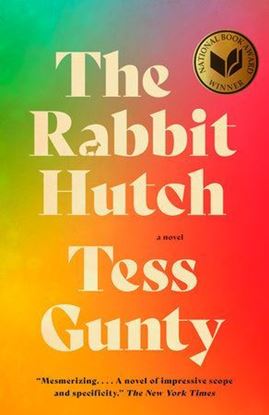
THE RABBIT HUTCH
The automobile industry has abandoned Vacca Vale, Indiana, leaving its residents behind, too. In a run-down apartment building on the edge of town, commonly known as the Rabbit Hutch, lives one of these people, a young girl named Blandine Watkins, who The Rabbit Hutch centers around. Hauntingly beautiful and unnervingly bright, Blandine lives alongside three teenage boys, all recently aged out of the state foster-care system, all of them madly in love with Blandine. Plagued by the structures, people, and places that not only failed her but actively harmed her, Blandine pays no mind to their affection. All she wants is an escape, a true bodily escape like the mystics describe in the books she reads.
700
1,250
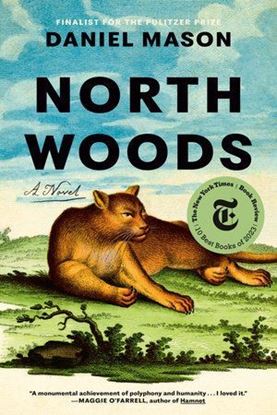
NORTH WOODS
When two young lovers abscond from a Puritan colony, little do they know that their humble cabin in the woods will become the home of an extraordinary succession of human and nonhuman characters alike. An English soldier, destined for glory, abandons the battlefields of the New World to devote himself to growing apples. A pair of spinster twins navigate war and famine, envy and desire. A crime reporter unearths an ancient mass grave—only to discover that the earth refuse to give up their secrets. A lovelorn painter, a sinister con man, a stalking panther, a lusty beetle: As the inhabitants confront the wonder and mystery around them, they begin to realize that the dark, raucous, beautiful past is very much alive.
1,250
1,100
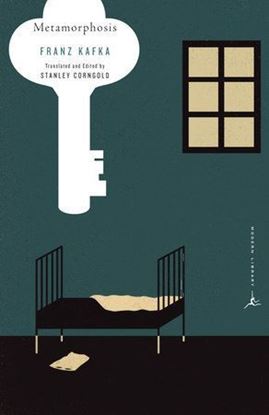
THE METAMORPHOSIS
“When Gregor Samsa woke up one morning from unsettling dreams, he found himself changed in his bed into a monstrous vermin.” With this startling, bizarre, yet surprisingly funny first sentence, Franz Kafka begins his masterpiece, The Metamorphosis. It is the story of a young man who, transformed overnight into a giant beetlelike insect, becomes an object of disgrace to his family, an outsider in his own home, a quintessentially alienated man. A harrowing—though absurdly comic—meditation on human feelings of inadequacy, guilt, and isolation, The Metamorphosis has taken its place as one of the most widely read and influential works of twentieth-century fiction.
1,100
1,100
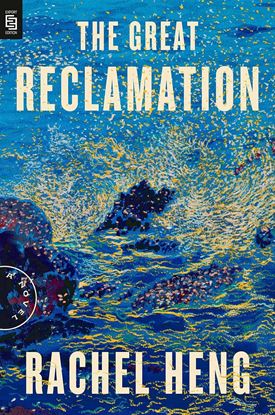
THE GREAT RECLAMATION (EXP)
Set against a changing Singapore, a sweeping novel about one boy’s unique gifts and the childhood love that will complicate the fate of his community and country
Ah Boon is born into a fishing village amid the heat and beauty of twentieth-century coastal Singapore in the waning years of British rule. He is a gentle boy who is not much interested in fishing, preferring to spend his days playing with the neighbor girl, Siok Mei. But when he discovers he has the unique ability to locate bountiful, movable islands that no one else can find, he feels a new sense of obligation and possibility—something to offer the community and impress the spirited girl he has come to love.
By the time they are teens, Ah Boon and Siok Mei are caught in the tragic sweep of history: the Japanese army invades, the resistance rises, grief intrudes, and the future of the fishing village is in jeopardy. As the nation hurtles toward rebirth, the two friends, newly empowered, must decide who they want to be, and what they are willing to give up.
1,100