

900
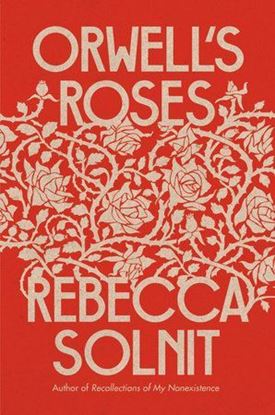
ORWELL'S ROSES
“In the year 1936 a writer planted roses.” So begins Rebecca Solnit’s new book, a reflection on George Orwell’s passionate gardening and the way that his involvement with plants, particularly flowers, and the natural world illuminates his other commitments as a writer and antifascist, and the intertwined politics of nature and power.
Sparked by her unexpected encounter with the surviving roses he planted in 1936, Solnit’s account of this understudied aspect of Orwell’s life explores his writing and his actions—from going deep into the coal mines of England, fighting in the Spanish Civil War, critiquing Stalin when much of the international left still supported him (and then critiquing that left), to his analysis of the relationship between lies and authoritarianism. Through Solnit’s celebrated ability to draw unexpected connections, readers encounter the photographer Tina Modotti’s roses and her Stalinism, Stalin’s obsession with forcing lemons to grow in impossibly cold conditions, Orwell’s slave-owning ancestors in Jamaica, Jamaica Kincaid’s critique of colonialism and imperialism in the flower garden, and the brutal rose industry in Colombia that supplies the American market. The book draws to a close with a rereading of Nineteen Eighty-Four that completes her portrait of a more hopeful Orwell, as well as a reflection on pleasure, beauty, and joy as acts of resistance.
900
1,700
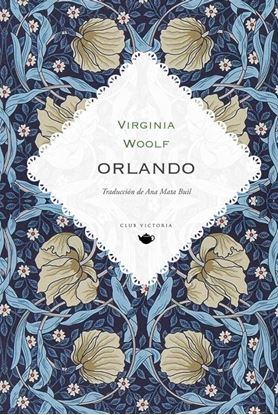
ORLANDO (TD) (INVISIBLE)
Desde que se publicó en 1928, Orlando ha sido una de las novelas más populares de Virginia Woolf, tanto por su originalidad como por su espíritu transgresor. Narra la vida de un joven caballero inglés de la corte isabelina, apuesto, rico, seductor e interesado por las artes y las letras —figura que se inspiraba vagamente en la escritora Vita Sackville-West, amiga y amante de la autora—, que atraviesa la historia desde el siglo XVI hasta el XX y que un buen día, de forma totalmente fortuita e impensada, se despierta convertido en mujer.
Las peripecias del (o de la) protagonista a través del tiempo permiten a Virginia Woolf elaborar una peculiarísima reflexión sobre la historia, el género y las emociones, a la vez que ofrece al lector un ejemplo más que sugerente sobre la ausencia de límites en la creación artística.
1,700
1,350
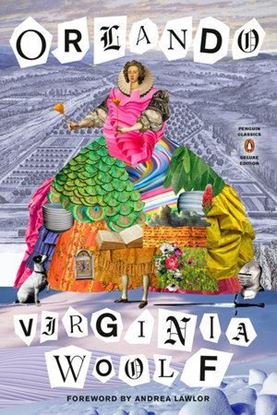
ORLANDO (ING)
First masculine, then feminine, Orlando is a young sixteenth-century nobleman who gallops through the centuries, from Elizabethan England and imperial Turkey to Virginia Woolf’s own time. Will he find happiness with the exotic Russian Princess Sasha? Or is the dashing explorer Shelmerdine the ideal man? And what form will Orlando take on the journey—a nobleman, traveler, writer? Man or . . . woman?
1,350