

1,700
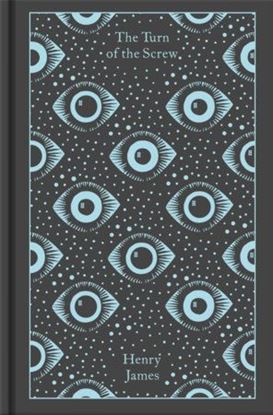
THE TURN OF THE SCREW
In "The Turn of the Screw," one of the most famous ghost stories of all time, a
governess becomes obsessed with the belief that malevolent forces are stalking
the children in her care. It is accompanied here by several more of the very best of
Henry James's short stories, all exploring ghosts and the uncanny.
For more than seventy years, Penguin has been the leading publisher of classic literature in the English-speaking world. With more than 1,800 titles, Penguin Classics represents a global bookshelf of the best works throughout history and across genres and disciplines. Readers trust the series to provide authoritative texts enhanced by introductions and notes by distinguished scholars and contemporary authors, as well as up-to-date translations by award-winning translators.
1,700
900
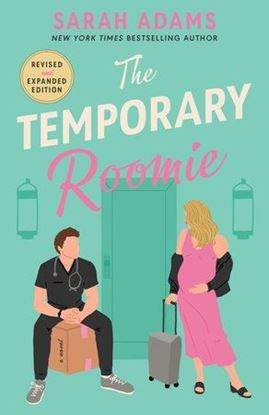
THE TEMPORARY ROOMIE
No one said fair trade needed to be “fair.”
As the owner of Honeysuckle Salon, Jessie Barnes usually has everything managed and on track, but now in her third trimester of an unexpected pregnancy, she feels a bit lost and increasingly desperate after faulty plumbing floods her apartment. Unfortunately, her knight in shining armor is actually Dr. Drew Marshall, her best friend’s brother, and he’s also the man she chewed out not too long ago for being a chauvinistic dirtbag.
Every moment Drew’s had to prove her wrong since then has failed, so Jessie’s opinion of him hasn’t improved. That remains the case when he agrees to let her stay with him during renovations, under one condition: She pretends to be his girlfriend for upcoming work festivities. For the sake of her brother, Jessie is willing to make the tough situation work, and giving Drew a taste of his own medicine sounds . . . intriguing.
But when their rivalry sparks a deeper connection, Jessie’s future becomes even more unclear—and with a baby on the way, she’ll have to make a decision soon.
900
1,450
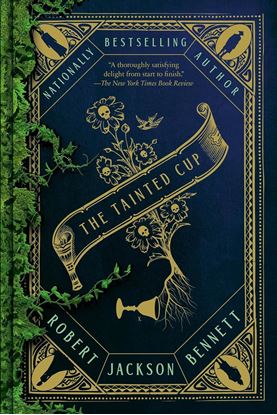
THE TAINTED CUP (PB)
In Daretana’s greatest mansion, a high imperial officer lies dead—killed, to all appearances, when a tree erupted from his body. Even here at the Empire’s borders, where contagions abound and the blood of the leviathans works strange magical changes, it’s a death both terrifying and impossible.
Assigned to investigate is Ana Dolabra, a detective whose reputation for brilliance is matched only by her eccentricities. Rumor has it that she wears a blindfold at all times, and that she can solve impossible cases without even stepping outside the walls of her home.
At her side is her new assistant, Dinios Kol, magically altered in ways that make him the perfect aide to Ana’s brilliance. Din is at turns scandalized, perplexed, and utterly infuriated by his new superior—but as the case unfolds and he watches Ana’s mind leap from one startling deduction to the next, he must admit that she is, indeed, the Empire’s greatest detective.
1,450
1,500
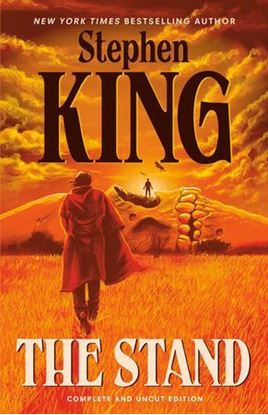
THE STAND (PB)
A patient escapes from a biological testing facility, unknowingly carrying a deadly weapon: a mutated strain of super-flu that will wipe out 99 percent of the world’s population within a few weeks. Those who remain are scared, bewildered, and in need of a leader. Two emerge—Mother Abagail, the benevolent 108-year-old woman who urges them to build a peaceful community in Boulder, Colorado; and Randall Flagg, the nefarious “Dark Man,” who delights in chaos and violence. As the dark man and the peaceful woman gather power, the survivors will have to choose between them—and ultimately decide the fate of all humanity.
1,500
1,450
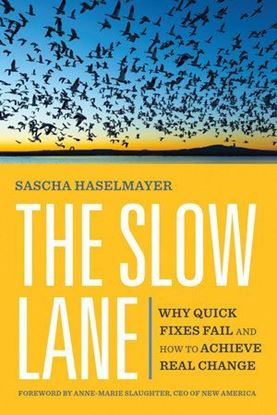
THE SLOW LANE
Avoid the speed trap! Discover how changemakers can find lasting solutions to urgent social problems through a proven 5-step process for listening thoughtfully, building broad support, and exploring unconventional options.
Society celebrates leaders who promise fast, easy solutions to the world’s problems—but quick fixes are just mirages that fade, leaving us with the same broken systems. The truth is, effective social change happens through slow, intentional actions.
1,450
1,750
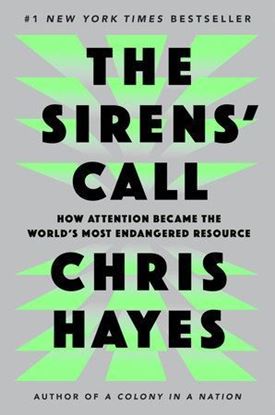
THE SIRENS' CALL
We all feel it—the distraction, the loss of focus, the addictive focus on the wrong things for too long. We bump into the zombies on their phones in the street, and sometimes they’re us. We stare in pity at the four people at the table in the restaurant, all on their phones, and then we feel the buzz in our pocket. Something has changed utterly: for most of human history, the boundary between public and private has been clear, at least in theory. Now, as Chris Hayes writes, “With the help of a few tech firms, we basically tore it down in about a decade.” Hayes argues that we are in the midst of an epoch-defining transition whose only parallel is what happened to labor in the nineteenth century: attention has become a commodified resource extracted from us, and from which we are increasingly alienated. The Sirens’ Call is the big-picture vision we urgently need to offer clarity and guidance.
1,750