

1,550
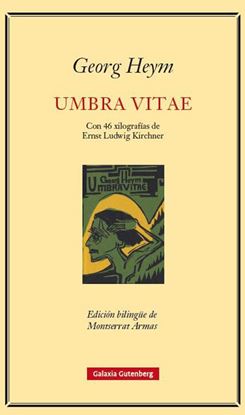
UMBRA VITAE
Georg Heym (1887-1912) forma parte de la llamada primera etapa del Expresionismo alemán (1910-1914). A pesar de su muerte prematura con solo veinticuatro años, Heym ocupa un lugar destacado entre los grandes nombres de la literatura expresionista como Gottfried Benn, Georg Trakl o Else Lasker-Schüler. Umbra vitae, publicado de manera póstuma el mismo año de su muerte, es la obra que lo consagra. Los poemas de este libro, más maduro y osado que El día eterno (1911), recogen una atmósfera de amenaza y peligro que se agazapa en la sombra, envolviendo al poeta y revelándole como en sueños, profeticamente, los tormentos de la guerra, el sufrimiento y la aniquilación del ser humano, y su propio final. Umbra vitae no tardó en despertar el interes del artista Ernst Ludwig Kirchner, quien realizó una serie de grabados en madera para la reedición del libro en 1924.
1,550

1,500
UN AMIGO DE KAFKA Y OTROS CUENTOS
Un amigo de Kafka reúne veintiún relatos breves en torno al tema más característico de Singer: la vida tradicional de las comunidades judías de Centroeuropa y su paulatina disgregación por obra del cambio de las costumbres y del progreso. Pero el arte del escritor, que se mueve siempre de un modo muy sutil y matizado entre la ironía y la emoción, consigue universalizar unos problemas que en principio pueden parecer exclusivamente judíos; profundizando en unos personajes que están divididos entre el apego a unas tradiciones en las que se han formado y la obligada incorporación a la vida moderna, Singer describe un desgarramiento común a todos. Singer hace revivir la mentalidad y las costumbres judías, analizando y evocando las tradiciones de su pueblo en un periodo de disgregación.
1,500

1,350
UN AMOR (DES)ACORDE
Un sueño roto. Una canción robada. Un plan de venganza.
Aria Simmons soñaba con unir sus dos pasiones: la ciencia y la música. Pero todo se derrumba cuando una traición convierte ese sueño en una pesadilla. Owen Cox, vocalista de los exitosos Trailer Trash, le roba su canción… y muere antes de poder rendir cuentas.
Maverick Sutton, también cantante de los Trailer Trash y mejor amigo de Owen, no quiere tenerla cerca. Pero, cuando la discográfica exige un nuevo hit para la próxima gira, no le queda otra que colaborar con la brillante compositora.
Obligados a convivir durante seis meses de tour, lo que empieza como una guerra sin tregua se transforma en algo mucho más complejo: un viaje compartido entre heridas, verdades ocultas y melodías que vuelven a latir.
¿Será posible crear la canción perfecta con instrumentos tan desacordes?
1,350