995
746
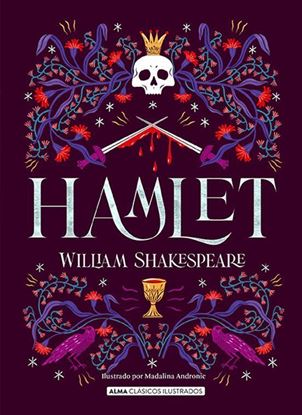
HAMLET (ALMA CLASICOS ILUSTRADOS) (TD)
Unánimemente considerada una de las obras más influyentes de la literatura universal, la complejidad de su protagonista y la profundidad de sus razonamientos hacen de esta sublime tragedia un clásico que sigue y seguirá conmoviendo a millones de lectores de todo el mundo. Hamlet, legendario príncipe de Dinamarca, se enfrenta a la muerte de su padre y a la sospecha de que su tío Claudio, ahora rey, fue quien lo asesinó para usurpar el trono. La obra aborda temas como la locura, la venganza, la traición y la existencia misma, a través de las dudas y conflictos internos del atormentado protagonista. Los dilemas que acosan a Hamlet reflejan las ideas humanistas de la época, y suponen un hondo cuestionamiento de la moralidad, la justicia y la naturaleza humana.
995
746
1,750
1,313
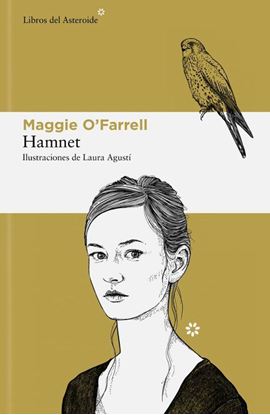
HAMNET (EDICION ILUSTRADA)
Agnes, una muchacha peculiar que parece no rendir cuentas a nadie y que es capaz de crear misteriosos remedios con sencillas combinaciones de plantas, es la comidilla de Stratford, un pequeño pueblo de Inglaterra. Cuando conoce a un joven preceptor de latín igual de extraordinario que ella, se da cuenta enseguida de que están llamados a formar una familia. Pero su matrimonio se verá puesto a prueba, primero por sus parientes y después por una inesperada desgracia.
1,750
1,313
850
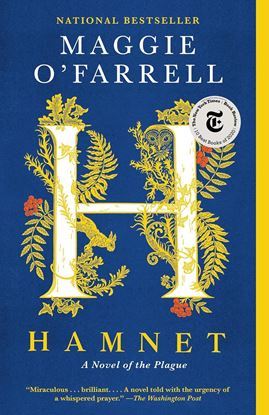
HAMNET (INGLES) (PB)
A young Latin tutor penniless and bullied by a violent father falls in love with an extraordinary, eccentric young woman. Agnes is a wild creature who walks her family’s land with a falcon on her glove and is known throughout the countryside for her unusual gifts as a healer, understanding plants and potions better than she does people. Once she settles with her husband on Henley Street in Stratford-upon-Avon, she becomes a fiercely protective mother and a steadfast, centrifugal force in the life of her young husband, whose career on the London stage is just taking off when his beloved young son succumbs to sudden fever.
850
1,300
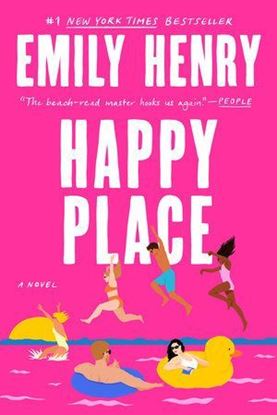
HAPPY PLACE
Harriet and Wyn have been the perfect couple since they met in college—they go together like salt and pepper, honey and tea, lobster and rolls. Except, now—for reasons they’re still not discussing—they don’t.
They broke up five months ago. And still haven’t told their best friends.
Which is how they find themselves sharing a bedroom at the Maine cottage that has been their friend group’s yearly getaway for the last decade. Their annual respite from the world, where for one vibrant, blissful week they leave behind their daily lives; have copious amounts of cheese, wine, and seafood; and soak up the salty coastal air with the people who understand them most.
Only this year, Harriet and Wyn are lying through their teeth while trying not to notice how desperately they still want each other. Because the cottage is for sale and this is the last week they’ll all have together in this place. They can’t stand to break their friends’ hearts, and so they’ll play their parts. Harriet will be the driven surgical resident who never starts a fight, and Wyn will be the laid-back charmer who never lets the cracks show. It’s a flawless plan (if you look at it from a great distance and through a pair of sunscreen-smeared sunglasses). After years of being in love, how hard can it be to fake it for one week…in front of those who know you best?
1,300

900
HARD-BOILED WONDERLAND AND THE END OF T.
Across two parallel narratives, Murakami draws readers into a mind-bending universe in which Lauren Bacall, Bob Dylan, a split-brained data processor, a deranged scientist, his shockingly undemure granddaughter, and various thugs, librarians, and subterranean monsters collide to dazzling effect. What emerges is a hyperkinetic novel that is at once hilariously funny and a deeply serious meditation on the nature and uses of the mind.
900
1,300
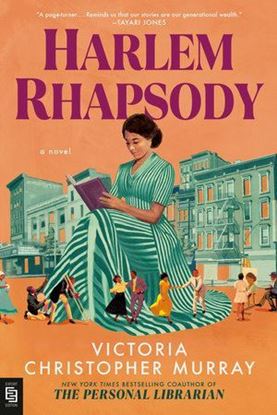
HARLEM RHAPSODY
In 1919, a high school teacher from Washington, D.C arrives in Harlem excited to realize her lifelong dream. Jessie Redmon Fauset has been named the literary editor of The Crisis. The first Black woman to hold this position at a preeminent Negro magazine, Jessie is poised to achieve literary greatness. But she holds a secret that jeopardizes it all.
W. E. B. Du Bois, the founder of The Crisis, is not only Jessie’s boss, he’s her lover. And neither his wife, nor their fourteen-year-age difference can keep the two apart. Amidst rumors of their tumultuous affair, Jessie is determined to prove herself. She attacks the challenge of discovering young writers with fervor, finding sixteen-year-old Countee Cullen, seventeen-year-old Langston Hughes, and Nella Larsen, who becomes one of her best friends. Under Jessie’s leadership, The Crisis thrives…every African American writer in the country wants their work published there.
1,300