


1,995
1,496
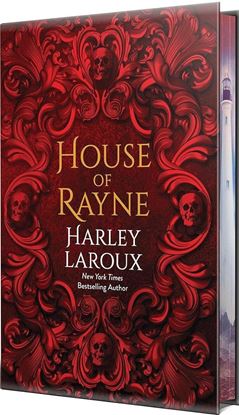
HOUSE OF RAYNE: DELUXE COLLECTOR S EDI.
SALEM
I wasn’t supposed to be here.
I was supposed to be marrying my fiancé, looking forward to a tropical honeymoon. Instead, I found myself on a ferry headed for historic Balfour Manor on Blackridge Island, in the Pacific Northwest. Now I’m stranded, with a woman I’m irresistibly drawn to.
Rayne holds secrets as dark and mysterious as her old house. Crimson shadows stalk the halls and strange voices call out in the night—but it's she who haunts me most.
Following a gruesome murder, the island's true nature is revealed, and every night becomes a fight for survival. Something is stalking the forest, killing indiscriminately . . .
And this time, we're its prey.
RAYNE
Death has followed me since childhood. My mother's murder and father's violent death changed me, teaching me just how cruel the world could be.
I never got what I wanted, until Salem showed up at my door. She’s adventurous, beautiful, and doomed if she stays here. Now, I suddenly have something to lose: the woman who broke down my walls and saw through my mask, who showed me I'm worth loving.
My family has long been buried, but even the vilest of secrets must be dug up again to survive the evil that hunts us. I finally have something to fight for, and I'll do whatever it takes to save her.
1,995
1,496

1,450
HOY, MAÑANA Y SIEMPRE
Llega el fin del verano y Hugo está listo para despedirlo en un festival con sus amigos. Esa noche, mientras disfrutan de la música y el baile, conoce a un chico
misterioso con el que acaba intercambiando unos besos y del que cree que no volverá a saber nada.
Durante ese mismo verano, Gael, un joven de clase alta que trabaja para su padre en un importante banco del país, decide dar un volantazo a su vida y seguir su vocación de dedicarse a la enseñanza. Su prometida Cayetana, con la que va a casarse ese mismo año, le apoya en su intención.
1,450
1,100
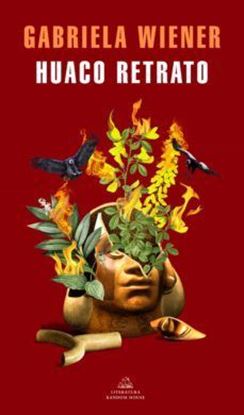
HUACO RETRATO
Un huaco retrato es una pieza de cerámica prehispánica que buscaba representar los rostros indígenas con la mayor precisión posible. Se dice que capturaba el alma de las personas, un registro que ha sobrevivido oculto en el espejo roto de los siglos.
Estamos en 1878, y el explorador judío-austriaco Charles Wiener se prepara para ser reconocido por la comunidad académica en la Exposición Universal de París, una gran feria de "progresos tecnológicos" que cuenta entre sus atracciones con un zoo humano, culmen del racismo científico y del proyecto imperialista europeo. Wiener ha estado cerca de descubrir Machu Picchu, ha escrito un libro sobre el Perú, se ha llevado cerca de cuatro mil huacos y también un niño.
Ciento cincuenta años después, la protagonista de esta historia recorre el museo que acoge la colección Wiener para reconocerse en los rostros de los huacos que su tatarabuelo expolió. Sin más equipaje que la pérdida ni otro mapa que sus heridas abiertas, las íntimas y las históricas, persigue las huellas del patriarca familiar y las de la bastardía de su propia estirpe -que es la de muchos-, la búsqueda identitaria de nuestro tiempo: un archipiélago de abandonos, celos, culpas, racismo, vestigios fantasmales ocultos en las familias y la de construcción de un deseo tercamente anclado en un pensamiento colonial. Hay temblor y resistencia en estas páginas escritas con el aliento de quien recoge los pedazos de algo que se rompió hace tiempo, esperando que todo vuelva a encajar.
1,100
1,250
HUESO EN ASTILLA
Una poesía de subrayada modernidad que se reencuentra con sus fuentes, una escritura casi abstracta que se vuelve materia pura en nuestras manos, ante nuestros ojos.
1,250
1,650
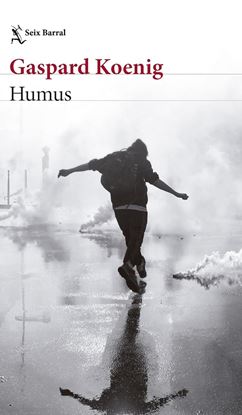
HUMUS
Una novela tan despiadada como divertida sobre una sociedad entre el desastre ecológico y la fractura social.
«¿Se ha perdido Michel Houellebecq en desventuras escabrosas? Pues la literatura realista ha encontrado a su nuevo adalid en Gaspard Koenig, quien traza un impresionante fresco de la sociedad actual, enfrentada a la crisis medioambiental, los conflictos geográficos y al auge del anticapitalismo.» L’Express
«Virtuosidad satírica y un dominio narrativo impresionante […]. Koenig es la sorpresa del año.» Le Figaro Magazine
«Una novela generacional brillante e irónica que no se lee, se desciende por ella en una carrera sincera impulsada por la humanidad que emanan los personajes.» Les Echos
«Al trazar un retrato transversal de estos jóvenes que encaran los desafíos de un mundo al borde del colapso, el filósofo Gaspard Koenig firma una novela de un ingenio asombroso sobre la sociedad actual, con un final del que nadie sale indemne.» Le Parisien
1,650

900
HUYE RAPIDO, VETE LEJOS (BOL)
París se ha convertido en una ciudad invadida por el miedo. El comisario Adamsberg no puede permitirse confiar en nadie si quiere resolver este inquietante caso.
El comisario Adamsberg investiga las apariciones de unas extrañas inscripciones en las puertas de un edificio parisino: un cuatro invertido y debajo tres letras: CLT.
¿Es obra de una mente diabólica? ¿Es una broma?, ¿o una amenaza?
Joss, un viejo marino bretón, recibe misivas que le avisan dónde estarán las siguientes pintadas. Pánico, rumores, rencor, asesinatos y desconfianza tejen esta memorable intriga policíaca.
900