

1,500
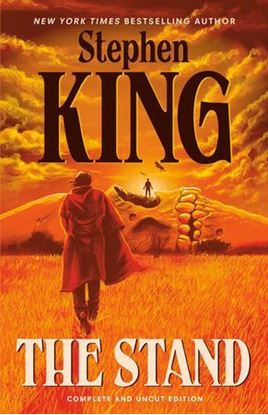
THE STAND (PB)
A patient escapes from a biological testing facility, unknowingly carrying a deadly weapon: a mutated strain of super-flu that will wipe out 99 percent of the world’s population within a few weeks. Those who remain are scared, bewildered, and in need of a leader. Two emerge—Mother Abagail, the benevolent 108-year-old woman who urges them to build a peaceful community in Boulder, Colorado; and Randall Flagg, the nefarious “Dark Man,” who delights in chaos and violence. As the dark man and the peaceful woman gather power, the survivors will have to choose between them—and ultimately decide the fate of all humanity.
1,500
1,350
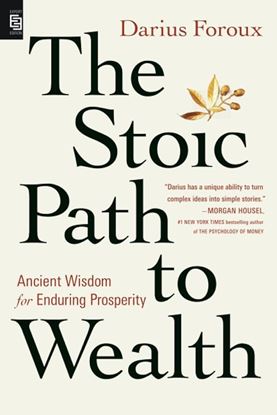
THE STOIC PATH TO WEALTH
The Stoics understood that if you can control your reactions and manage your emotions, you can achieve success. The same principles apply to our financial lives today. The greatest investors approach the markets with discipline, emotional distance, and self-mastery—lessons that the Stoics have been teaching us for thousands of years.
1,350
1,650
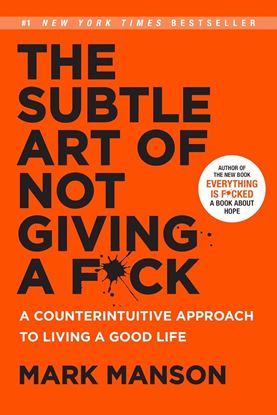
THE SUBTLE ART OF NOT GIVING A F*CK
For decades, we’ve been told that positive thinking is the key to a happy, rich life. "F**k positivity," Mark Manson says. "Let’s be honest, shit is f**ked and we have to live with it." In his wildly popular Internet blog, Manson doesn’t sugarcoat or equivocate. He tells it like it is—a dose of raw, refreshing, honest truth that is sorely lacking today. The Subtle Art of Not Giving a F**k is his antidote to the coddling, let’s-all-feel-good mindset that has infected modern society and spoiled a generation, rewarding them with gold medals just for showing up.
1,650
750
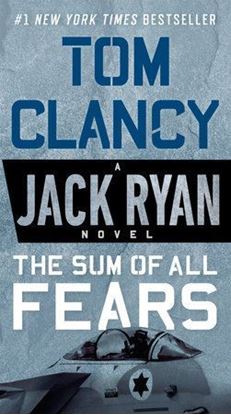
THE SUM OF ALL FEARS (MM)
Peace may finally be at hand in the Middle East, as Jack Ryan, Deputy Director of Intelligence for the CIA, lays the groundwork for a plan that could end centuries of conflict. But ruthless terrorists have a final, desperate card to play: a nuclear weapon hidden somewhere in the United States.
With one terrible act, distrust mounts, forces collide, and the floundering U.S. president seems unable to cope with the crisis. With the world on the verge of nuclear disaster, Ryan must frantically seek a solution—before the chiefs of state lose control of themselves and the world.
750
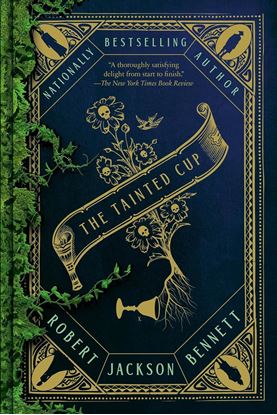
1,450
THE TAINTED CUP (PB)
In Daretana’s greatest mansion, a high imperial officer lies dead—killed, to all appearances, when a tree erupted from his body. Even here at the Empire’s borders, where contagions abound and the blood of the leviathans works strange magical changes, it’s a death both terrifying and impossible.
Assigned to investigate is Ana Dolabra, a detective whose reputation for brilliance is matched only by her eccentricities. Rumor has it that she wears a blindfold at all times, and that she can solve impossible cases without even stepping outside the walls of her home.
At her side is her new assistant, Dinios Kol, magically altered in ways that make him the perfect aide to Ana’s brilliance. Din is at turns scandalized, perplexed, and utterly infuriated by his new superior—but as the case unfolds and he watches Ana’s mind leap from one startling deduction to the next, he must admit that she is, indeed, the Empire’s greatest detective.
1,450
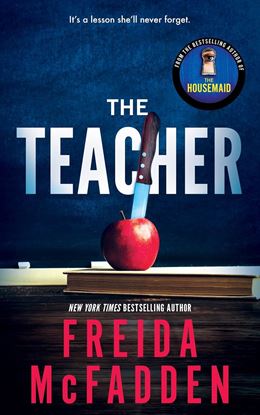
1,150
THE TEACHER
Eve has a good life. She gets up each day, gets a kiss from her husband Nate, and heads off to teach math at the local high school. All is as it should be. Except…
Last year, Caseham High was rocked by a scandal involving a student-teacher affair, with one student, Addie, at its center. But Eve knows there is far more to these ugly rumors than meets the eye.
Addie can't be trusted. She lies. She hurts people. She destroys lives. At least, that's what everyone says.
But nobody knows the real Addie. Nobody knows the secrets that could destroy her. And Addie will do anything to keep it quiet.
1,150