

2,400
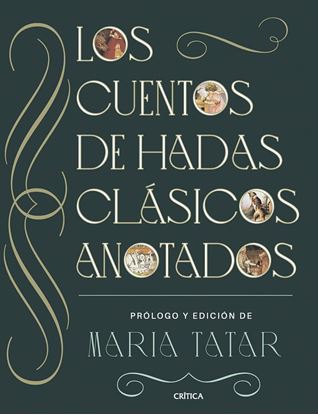
LOS CUENTOS DE HADAS CLASICOS ANOTADOS
Un libro que pretende reivindicar un legado cultural de gran peso en las vidas de todos nosotros.
Desde la publicación, hace casi treinta años, de la obra de Bruno Bettelheim
Psicoanálisis de los cuentos de hadas no había aparecido ningún libro que nos enseñara tanto sobre los cuentos infantiles como el que el lector tiene en sus manos. En Los cuentos de hadas clásicos anotados se recuperan las historias más queridas por los niños de hoy y de siempre a través de la selección de Maria Tatar, una de las mayores expertas mundiales en el campo de literatura popular e infantil.
En este volumen, bellamente ilustrado, Tatar ha seleccionado veintiséis cuentos clásicos que son otros tantos modelos que ayudan a los niños a desenvolverse en el mundo real y contribuyen a desarrollar el ingenio y el coraje necesarios para sobrevivir en un mundo gobernado por adultos. Este libro pretende reivindicar un legado cultural de gran peso en las vidas de todos nosotros, guiando a los lectores a través de cada una de las historias, explorando sus orígenes históricos, sus complejidades culturales y sus efectos psicológicos.
2,400
1,200
960
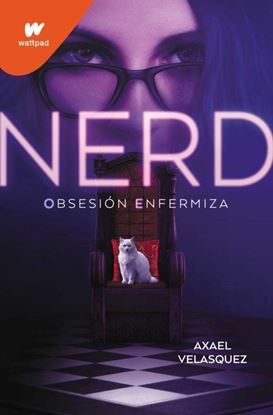
NERD 1 (WATTPAD)
Sinaí Ferreira no debió haber interferido en los secretos de los Frey; por desgracia, se obsesionó locamente con uno de ellos, y haría cualquier cosa para conseguirlo.
Ruso. Peligrosamente atractivo. Un prodigio. Adicto a revivir personas. Axer Frey era el último chico que una nerd intentaría alcanzar.
Menos ella.
Entre secretos, jugadas de ajedrez y una intensa tensión sexual, Sinaí descenderá al fondo de un abismo del que no querrá salir.
1,200
960
900
720
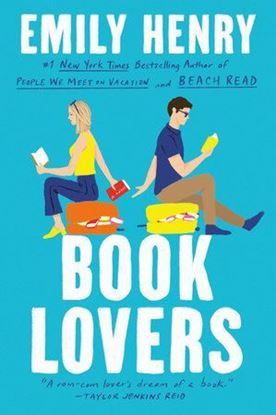
BOOK LOVERS (ING)
One summer. Two rivals. A plot twist they didn’t see coming…
Nora Stephens’ life is books—she’s read them all—and she is not that type of heroine. Not the plucky one, not the laidback dream girl, and especially not the sweetheart. In fact, the only people Nora is a heroine for are her clients, for whom she lands enormous deals as a cutthroat literary agent, and her beloved little sister Libby.
Which is why she agrees to go to Sunshine Falls, North Carolina for the month of August when Libby begs her for a sisters’ trip away—with visions of a small town transformation for Nora, who she’s convinced needs to become the heroine in her own story. But instead of picnics in meadows, or run-ins with a handsome country doctor or bulging-forearmed bartender, Nora keeps bumping into Charlie Lastra, a bookish brooding editor from back in the city. It would be a meet-cute if not for the fact that they’ve met many times and it’s never been cute.
If Nora knows she’s not an ideal heroine, Charlie knows he’s nobody’s hero, but as they are thrown together again and again—in a series of coincidences no editor worth their salt would allow—what they discover might just unravel the carefully crafted stories they’ve written about themselves.
900
720
700
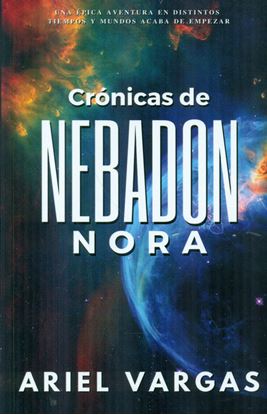
CRONICAS DE NEBADON NORA 1
Un admirable despliegue imaginativo, un depurado estilo y una trama que sorprende y seduce, abrirán al lector de este libro las puertas de un mundo primigenio y su cosmogonía.
700
2,200
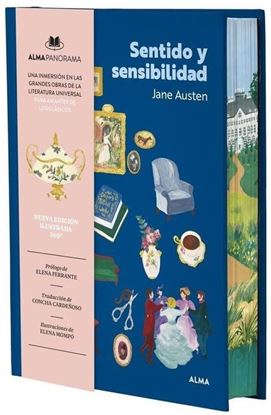
SENTIDO Y SENSIBILIDAD (ALMA)(PANORAMA)
¿Quién escribió Sentido y sensibilidad? ¿Lo hizo Jane Austen, una dama, a secas, sin nombre ni apellido, una dama sumamente culta y aguda que sabe bien cómo vive la aristocracia terrateniente, que conoce los rituales de la burguesía londinense, a quien le consta hasta qué punto el mundo es inestable y cómo todo cambia a despecho del sentido y en el tumulto de la sensibilidad?
2,200
1,550
1,240
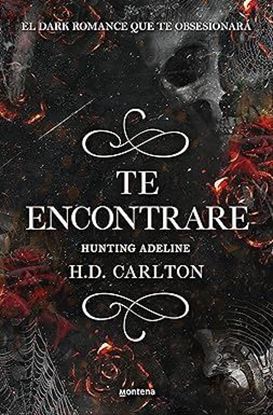
HUNTING ADELINE. TE ENCONTRARE (2)
El diamante
La muerte camina junto a mí, pero la Parca no es un rival para mí.
Estoy encerrada en un mundo lleno de monstruos, vestidos con trajes de hombre, y de gente que no es lo que parece.
No podrán retenerme para siempre.
Ya no reconozco a la persona en la que me he convertido y lucho por hallar el camino que me lleve de vuelta junto a la bestia que me da caza por las noches.
Me llaman el diamante, pero lo único que han creado es un ángel de la muerte.
El cazador
Nací siendo un depredador, con la crueldad incrustada en todos y cada uno de mis huesos.
Y cuando, en mitad de la noche, me roban lo que me pertenece, como un diamante escondido dentro de una fortaleza, noto que ya no puedo retener a la bestia que hay en mí.
La tierra se teñirá de sangre mientras destrozo este mundo para encontrarla.
Y la devolveré al lugar al que pertenece.
Nadie se librará de mi ira, especialmente aquellos que me hayan traicionado.
1,550
1,240