2,200
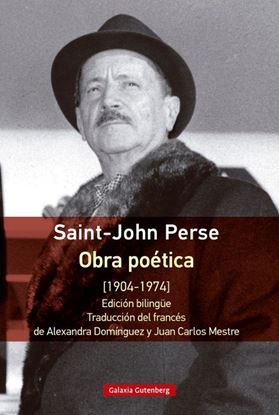
OBRA POETICA (TB)
Este volumen recoge por primera vez en español toda la obra poetica de Saint-John Perse (1887-1975), premio Nobel de Literatura en 1960 y uno de los hitos de la lírica del siglo XX. Desde su temprano Elogios hasta Pájaros, escrito en diálogo con el pintor Georges Braque, pasando por Anábasis y los poemas del exilio -Lluvias, Nieves, Poema a la Extranjera, Vientos, Mares-, la obra de Perse es una vasta crónica de nuestro tiempo, asolado por los vientos del cambio y la discordia. La mirada espaciosa de Perse se busca simultáneamente en el reflejo poliedrico de las cosas, las huellas del tiempo y las profecías de la imaginación. Poeta esencialmente lírico, su dicción trasmuta en poesía todo lo abarcable por la aventura humana del saber, desde el origen del fuego a los grandes y terribles hallazgos de la tecnica moderna. Y su alianza de lo sencillo y lo noble otorga una insólita coherencia a su discurso: ni verso ni prosa, poesía respirable, en la que alienta una visión totalizadora de la existencia, un conocimiento erudito del mundo guiado por la intuición poetica. Aquel que quiera saber lo que realmente ocurrió en la primera mitad del siglo XX deberá acudir, más que al dudoso testimonio de los periódicos, a unas cuantas obras poeticas. Una de ellas es la de Saint-John Perse.
2,200
1,300
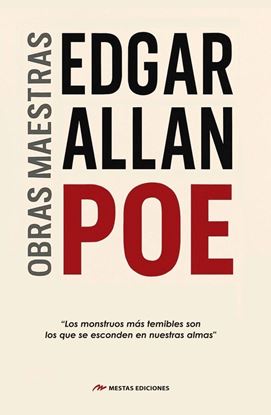
OBRAS MAESTRAS (POE) (MESTAS)
Estás ante una recopilación de indiscutibles obras maestras del considerado padre de la literatura de terror: el inigualable Edgar Allan Poe. Su legado definió los contornos del género y abrió un nuevo abismo en la narrativa breve: preciso, oscuro, inquietante. Nadie antes había conseguido que lo siniestro adquiriera tanta elegancia. Nadie después ha logrado alcanzar esa perturbadora armonía entre belleza y espanto que se respira en cada una de estas páginas.
Este volumen reúne sus relatos más celebrados, textos imprescindibles que demuestran hasta qué punto lo macabro puede convivir con una prosa exquisita. Poe no escribe para distraer. Escribe para estremecer, para herir con palabras hermosas y afiladas, para recordarnos que la mente humana es un laberinto lleno de pasadizos ocultos.
Aquí se respira el delirio, se palpa la culpa, se escucha el eco de lo irreparable. Leer a Poe es un descenso voluntario al territorio donde la razón se fractura y el horror, lejos de gritar, susurra. Ideal para quienes disfrutan caminando por el borde del abismo, con una sonrisa en los labios.
1,300
900
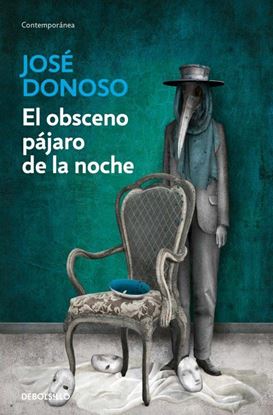
OBSCENO PAJARO DE LA NOCHE (BOL)
La voz que narraEl obsceno pájaro de la noche fluye infatigable de los labios del Mudito, como en un viaje desde el ser hacia la nada, elaborando un mundo destinado -por la maldición intrínseca de la existencia- al deterioro, la pérdida o la confusión de cualquier identidad posible.
Las viejas que pueblan la Casa de la Encarnación de la Chimba y los monstruos de la Rinconada ilustran cada matiz de la desesperación y cada uno de los ínfimos placeres cotidianos, anudando siempre al ciego instinto de la vida un inextinguible terror ante lo oscuro, lo innombrable, lo que ya no tiene forma.
900