
1,500
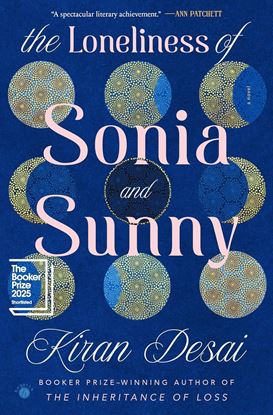
THE LONELINESS OF SONIA AND SUNNY
When Sonia and Sunny first glimpse each other on an overnight train, they are immediately captivated yet also embarrassed by the fact that their grandparents had once tried to matchmake them, a clumsy meddling that served only to drive Sonia and Sunny apart.
Sonia, an aspiring novelist who recently completed her studies in the snowy mountains of Vermont, has returned to her family in India. She fears that she is haunted by a dark spell cast by an artist to whom she had once turned for intimacy and inspiration. Sunny, a struggling journalist resettled in New York City, is attempting to flee his imperious mother and the violence of his warring clan. Uncertain of their future, Sonia and Sunny embark on a search for happiness together as they confront the many alienations of our modern world.
1,500
650
520
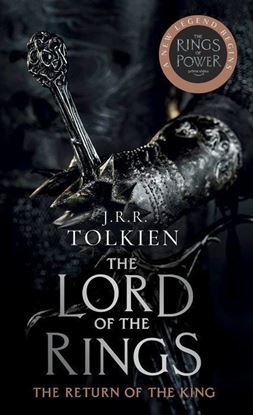
THE LORD OF THE RINGS. PART. 3 (MM)
While the evil might of the Dark Lord Sauron swarms out to conquer all Middle-earth, Frodo and Sam struggle deep into Mordor, seat of Sauron’s power. To defeat the Dark Lord, the One Ring, ruler of the accursed Rings of Power, must be destroyed in the fires of Mount Doom. But the way is impossibly hard, and Frodo is weakening. Weighed down by the compulsion of the Ring, he begins finally to despair.
650
520
1,450
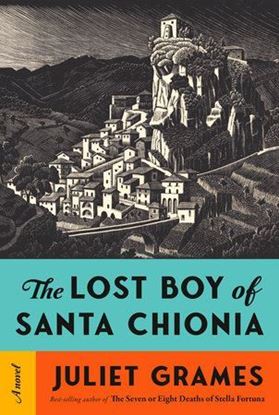
THE LOST BOY OF SANTA CHIONIA
Calabria, 1960. Francesca Loftfield, a twenty-seven-year-old, starry-eyed American, arrives in the isolated mountain village of Santa Chionia tasked with opening a nursery school. There is no road, no doctor, no running water or electricity. And thanks to a recent flood that swept away the post office, there’s no mail, either.
Most troubling, though, is the human skeleton that surfaced after the flood waters receded. Who is it? And why don’t the police come and investigate? When the local priest’s housekeeper begs Francesca to help determine if the remains are those of her long-missing son, Francesca begins to ask a lot of inconvenient questions. As an outsider, she might be the only person who can uncover the truth. Or she might be getting in over her head. As she attempts to juggle a nosy landlady, a suspiciously dashing shepherd, and a network of local families bound together by a code of silence, Francesca finds herself forced to choose between the charitable mission that brought her to Santa Chionia, and her future happiness, between truth and survival.
Set in the wild heart of Calabria, a land of sheer cliff faces, ancient tradition, dazzling sunlight—and one of the world’s most ruthless criminal syndicates—The Lost Boy of Santa Chionia is a suspenseful puzzle mystery, a captivating romance, and an affecting portrait of a young woman in search of a meaningful life.
1,450
1,400
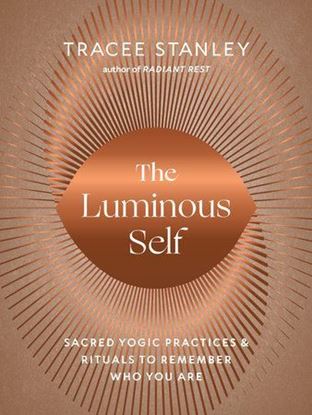
THE LUMINOUS SELF
The Luminous Self shares teachings and practices that can help us connect with our true Self and reclaim our inherent power and wisdom—essential for living with purpose and grace in our turbulent world. In this book, Tracee Stanley shares teachings and practices in each chapter—including meditation, yoga nidra, breath work, dreaming rituals, community care practices, journaling, and more—that can help us remember and honor our deepest Self.
The book is a journey of inner exploration for anyone who desires to know themselves more deeply. Chapters introduce different paths to personal discernment—including facing obstacles to liberation, forgiveness, the power of memory, transitions as portals to wisdom and devotion, and nature as a teacher—and include stories from Stanley’s life, teachings, and practice.
1,400
1,400
1,120
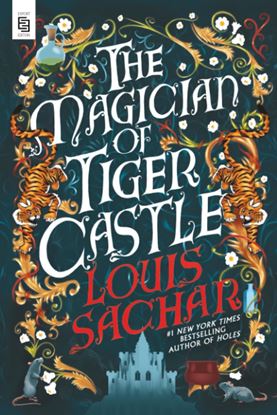
THE MAGICIAN OF TIGER CASTLE
Long ago and far away (and somewhere south of France) lies the kingdom of Esquaveta. There, Princess Tullia is in nearly as much peril as her struggling kingdom. Esquaveta desperately needs to forge an alliance, and to that end, Tullia's father has arranged a marriage between her and an odious prince. However, one month before the "wedding of the century," Tullia falls in love with a lowly apprentice scribe.
The king turns to Anatole, his much-maligned magician. Seventeen years earlier, when Anatole first came to the castle, he was regarded as something of a prodigy. But after a long series of failures—the latest being an attempt to transform sand into gold—he has become the object of contempt and ridicule. The only one who still believes in him is the princess.
When the king orders Anatole to brew a potion that will ensure Tullia agrees to the wedding, Anatole is faced with an impossible choice. With one chance to save the marriage, the kingdom, and, of most importance to him, his reputation, will he betray the princess—or risk ruin?
1,400
1,120
995
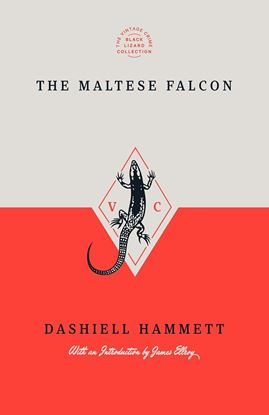
THE MALTESE FALCON (SPECIAL ED.) (PB)
A treasure worth killing for. Sam Spade, a slightly shopworn private eye with his own solitary code of ethics. A perfumed grafter named Joel Cairo, a fat man name Gutman, and Brigid O’Shaughnessy, a beautiful and treacherous woman whose loyalties shift at the drop of a dime. These are the ingredients of Dashiell Hammett's iconic, influential, and beloved The Maltese Falcon.
995